

The 10 Best Commercial Roofing Contractors Compared

Why Commercial Contractor Roofing Requires Expert Selection
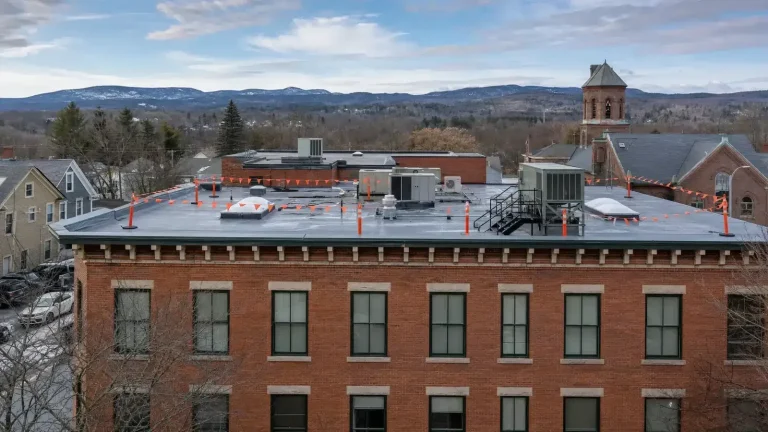
Commercial contractor roofing protects one of your most valuable business assets—your building. Unlike residential roofing, commercial systems face unique challenges: larger surface areas, heavy equipment loads, complex drainage requirements, and constant exposure to the elements. Choosing the right contractor means the difference between decades of reliable protection and costly repairs that disrupt your operations.
Key considerations when evaluating commercial roofing contractors:
- Certifications – GAF, Firestone, or CertainTeed manufacturer credentials
- Experience – Proven track record with your specific roof type (TPO, EPDM, metal, or built-up systems)
- Safety compliance – OSHA-certified crews and documented safety protocols
- Project management – Single point of accountability with daily communication
- Warranty offerings – System warranties ranging from 20 to 35 years
- Emergency response – 24/7 availability for urgent leak repairs
- Maintenance programs – Scheduled inspections to extend roof lifespan and validate warranties
The average commercial roof lasts 20 to 40 years, but that range depends heavily on material quality, installation workmanship, and ongoing maintenance. A single leak can damage equipment, inventory, and endanger employees—making contractor selection critical.
As Christopher Battaini, owner of Chris Battaini Roofing and Seamless Gutters, I’ve worked extensively with commercial contractor roofing projects across the North Shore and Greater Boston area, understanding the structural demands and long-term protection commercial properties require. While our primary focus serves residential clients, the principles of quality craftsmanship and reliable protection apply equally to commercial roofing systems.
Discover more about commercial contractor roofing:
- Commercial Flat Roof Replacement Guide
- Commercial Roof Cleaning & Maintenance
- Local Commercial Roofing Companies
10 Essential Standards for the Best Commercial Roofing Contractors
When you are looking to Hire the Right Commercial Roofing Contractor, you aren’t just buying a product; you are investing in a long-term partnership. The best Commercial Contractors for Roofing adhere to a set of rigorous standards that ensure your building remains dry and your business remains operational.
- Safety Protocols: Commercial sites are high-stakes environments. A top-tier contractor prioritizes safety with strict adherence to OSHA guidelines and ongoing worker training to prevent accidents.
- NRCA Standards: Industry leaders follow the National Roofing Contractor Association standards, ensuring that every flashing, seam, and fastener meets verified engineering requirements.
- Project Management: Complex commercial projects require a team approach. This includes a single point of accountability and daily logs to keep the project on budget and on time.
- Manufacturer Certifications: Being a certified applicator for brands like GAF or CertainTeed means the contractor has been vetted by the people who make the materials.
- Vetted Workmanship: Look for contractors who undergo annual evaluations of their quality and responsiveness.
- Insurance Compliance: Proper liability and workers’ compensation insurance are non-negotiable for protecting the property owner from legal headaches.
- Transparent Quoting: A reliable quote should be holistic, including photos of current damage and a clear scope of work to avoid surprise change orders.
- Local Weather Expertise: In Berkshire County, we deal with heavy snow loads and freeze-thaw cycles. Your contractor must understand how local weather impacts material expansion and contraction.
- Financial Stability: Ensure the contractor has the corporate backing to handle large-scale projects without cutting corners.
- Communication: You should never be left wondering about the status of your roof. The best contractors provide comprehensive communications throughout the installation process.
Key Services Offered by a Commercial Contractor Roofing Professional
A professional commercial contractor roofing specialist provides more than just a hammer and nails. They offer a suite of services designed to protect your building’s structural integrity from the top down.
- Commercial Roof Installation: Whether it is new construction or a complete tear-off, professional installation ensures that the multiple layers of waterproofing—from insulation to the final membrane—are redundant and secure.
- Commercial Roof Repair Solutions: Minor damage from inclement weather or aging can stay hidden until it becomes a visible leak. Experts can identify these “hidden” risks before they disrupt your business.
- Commercial Roof Inspection Ultimate Guide: Regular evaluations are the first line of defense. A professional walk-through can determine if you need a simple fix or a full Commercial Roofing replacement.
- Preventative Maintenance: Programs like “Assess, Identify, Maintain” (AIM) involve seasonal visits (typically spring and fall) to clear debris, check seams, and prolong the roof’s life. You can find Commercial Roof Maintenance Near Me to start a plan today.
- Emergency Leak Response: When a pipe bursts or a storm rips a seam, you need a 24/7 hotline. Many top contractors guarantee a response within 24 hours to mitigate interior damage.
- Commercial Gutter Maintenance: Large commercial roofs shed massive amounts of water. Seamless gutters and industrial-grade downspouts are essential to prevent foundation erosion.
- Skylight Installation Commercial: Adding natural light can reduce energy costs, but these are common leak points if not installed by a specialist who understands commercial curb flashing.
Comparing the Top Commercial Roofing Systems
Choosing the right material is a balance of upfront cost, expected lifespan, and energy goals. Most Commercial Flat Roofing projects utilize single-ply membranes or specialized coatings.
| Feature | TPO (Thermoplastic Polyolefin) | EPDM (Rubber) | Metal Roofing |
|---|---|---|---|
| Lifespan | 20–30 Years | 25–35 Years | 40–60 Years |
| Reflectivity | High (Energy Efficient) | Low (Unless Coated) | Moderate to High |
| Installation | Heat-Welded Seams | Adhesive/Tape Seams | Fastened Panels |
| Durability | High Puncture Resistance | Excellent Weathering | Superior Fire Rating |
Many contractors partner with leading manufacturers to offer Firestone single-ply systems, high-performance Fibertite roofing systems, or the innovative Carlisle SynTec solutions. For roofs that are still structurally sound but leaking, Commercial Roof Coatings as a Solution for Ponding Water can extend the life of the existing system without a costly tear-off.
Benefits of TPO and EPDM for Commercial Contractor Roofing
TPO is currently one of the fastest-growing segments in the industry. It is a thermoplastic polyolefin membrane that is naturally reflective, helping to lower cooling costs during those humid Massachusetts summers. Its heat-welded seams create a monolithic surface that is incredibly resistant to leaks.
EPDM, or ethylene propylene diene monomer, is the “old reliable” of the roofing world. It is a synthetic rubber membrane that excels in extreme temperatures. While traditionally black, it can be installed with a white top layer to improve UV resistance. Both are excellent low-slope solutions that offer high puncture resistance against falling branches or hail.
Metal and Asphalt Options for Commercial Contractor Roofing
For steep-slope buildings, such as a Multi-Family Roofing Services complex or an Educational Facility Roofing project, asphalt and metal are the primary choices.
Our Commercial Asphalt Shingle Roofing Guide highlights that heavy-duty shingles can provide a traditional look with modern fire ratings. However, standing-seam metal roofing remains the gold standard for durability. Metal roofs can last twice as long as other systems and are often preferred for municipal buildings due to their low maintenance requirements and high wind resistance.
Factors Influencing Commercial Roof Cost and Lifespan
Understanding the investment required for a commercial roof helps with long-term capital budgeting. Based on publicly available internet data, the average cost for a commercial roof installation typically ranges from $5.00 to $25.00 per square foot.
Please note that these are average costs based on general market data and are not our actual pricing. The high end of the range can easily exceed $25.00 per square foot—more than 3x the lower-end averages—depending on several factors:
- Material Selection: TPO and EPDM are often more budget-friendly than high-end standing-seam metal or liquid-applied restoration systems.
- Roof Accessibility: A single-story warehouse is much easier to stage than a five-story office building in a cramped downtown area.
- Existing Condition: If a Commercial Roof Replacement requires extensive deck repair due to long-term water damage, costs will rise significantly.
- Storm Damage: If you are dealing with Commercial Roof Storm Damage, costs may be influenced by the need for emergency stabilization and insurance coordination.
- Insulation Requirements: Modern building codes often require specific R-values for insulation, which can add to the material thickness and cost.
For a detailed breakdown of what to expect, consult our Commercial Roof Cost Guide 2025. While a roof should last 20–40 years, neglecting maintenance can cut that lifespan in half, especially in the harsh, wet conditions of the Northeast.
Frequently Asked Questions about Commercial Roofing
How can I tell if my commercial building needs a new roof?
The most obvious signs are water stains on ceiling tiles or bubbling in the interior paint. However, you should also look for “ponding” water (water that stays on the roof for more than 48 hours after rain), cracked flashing around vents, or seams that are beginning to lift. A professional inspection is the only way to know for sure if a repair will suffice or if a replacement is necessary.
What are the most common causes of commercial roof leaks?
Most leaks are caused by poor maintenance or “hidden” damage from aging. Common culprits include clogged roof drains, damaged flashing, and foot traffic from HVAC technicians who may accidentally puncture the membrane. In our region, ice dams and heavy snow loads can also stress the seams of a flat roof.
Why is regular maintenance required for manufacturer warranties?
Think of a roof warranty like a car warranty—you have to change the oil to keep it valid. Most major manufacturers require documented, professional inspections to ensure that minor issues aren’t being ignored. Without this documentation, a warranty claim for a major leak might be denied.
Conclusion
Selecting the right commercial contractor roofing partner is about protecting your bottom line. At Chris Battaini Roofing and Seamless Gutters, we understand that quality workmanship is the foundation of every successful project. We are proud to share that we have earned the elite status of being an Owens Corning Platinum Preferred Contractor. This designation is limited to the top tier of roofing professionals nationwide and reflects our commitment to excellence.
Whether you need Commercial Roofing Services, a new gutter system, or expert repairs, we provide owner-led, on-site service with exceptional workmanship warranties that give you peace of mind. We take pride in serving our neighbors and ensuring that every roof we touch is built to last.
Chris Battaini Roofing and Seamless Gutters is a roofing and gutter installation company serving Berkshire County, Massachusetts. They specialize in residential and commercial roofing, with the unique selling point of owner-led, on-site service and exceptional workmanship warranties.
The company services Berkshire County, Massachusetts.
Follow us on Facebook — https://www.facebook.com/chrisbattainiroofing