-
10 Wendell Ave Extension Pittsfield, MA 01201
-
210 Columbia St., Lee, MA 01238

Commercial roofing systems protect far more than just your building – they safeguard your entire business operation. When looking for commercial roofing solutions, you need to understand:
Key Commercial Roofing Systems:
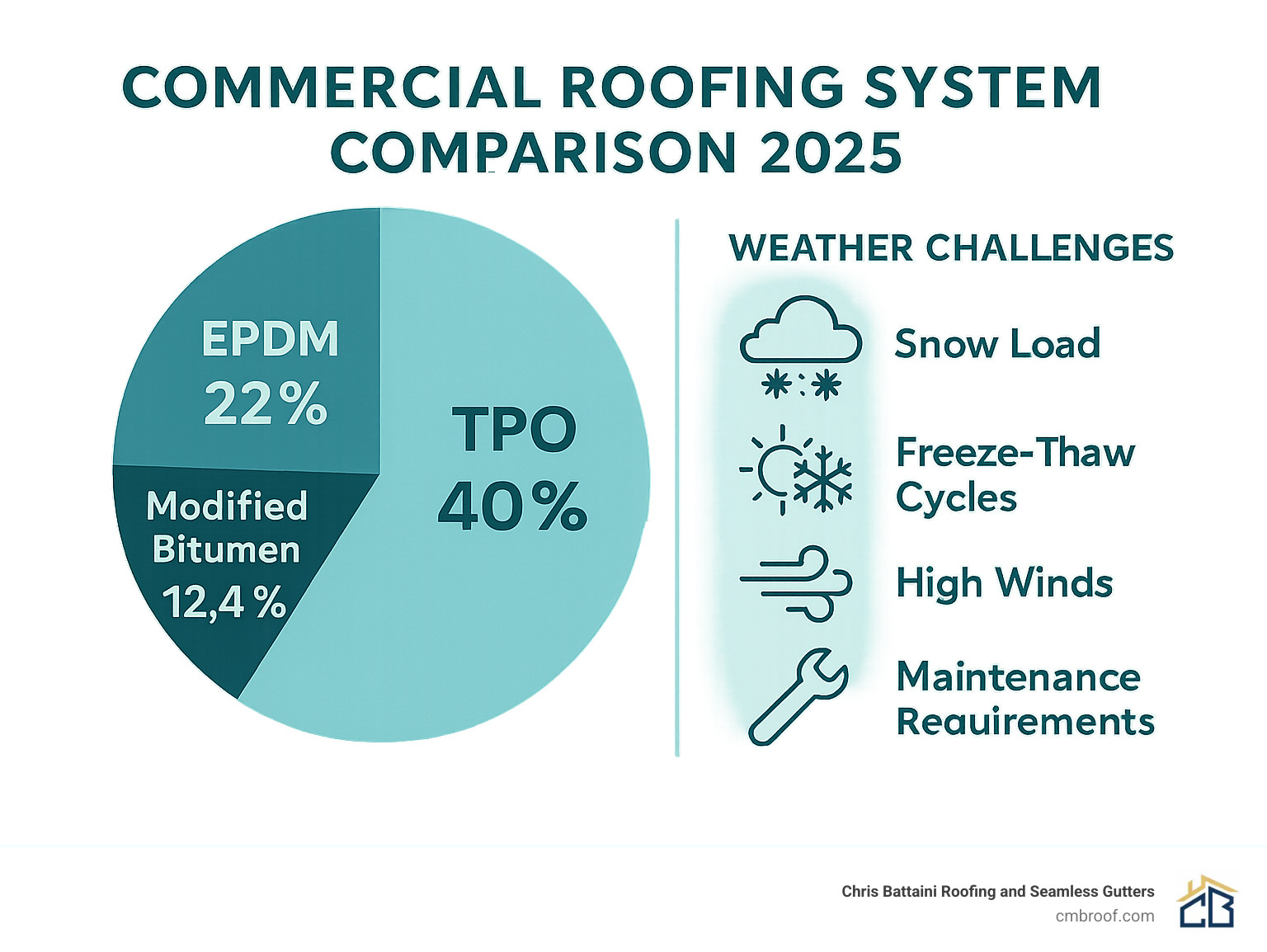
– TPO – 40% of new construction market, energy-efficient
– EPDM – 22% of new construction, proven durability
– Modified Bitumen – 12.4% market share, reliable performance
– Metal Roofing – Long-lasting, weather-resistant
– Built-Up Roofing (BUR) – Multi-layer protection
What to Look For in Contractors:
– Proper licensing and insurance ($1M+ liability)
– Manufacturer certifications (only 1% achieve GAF Master Select)
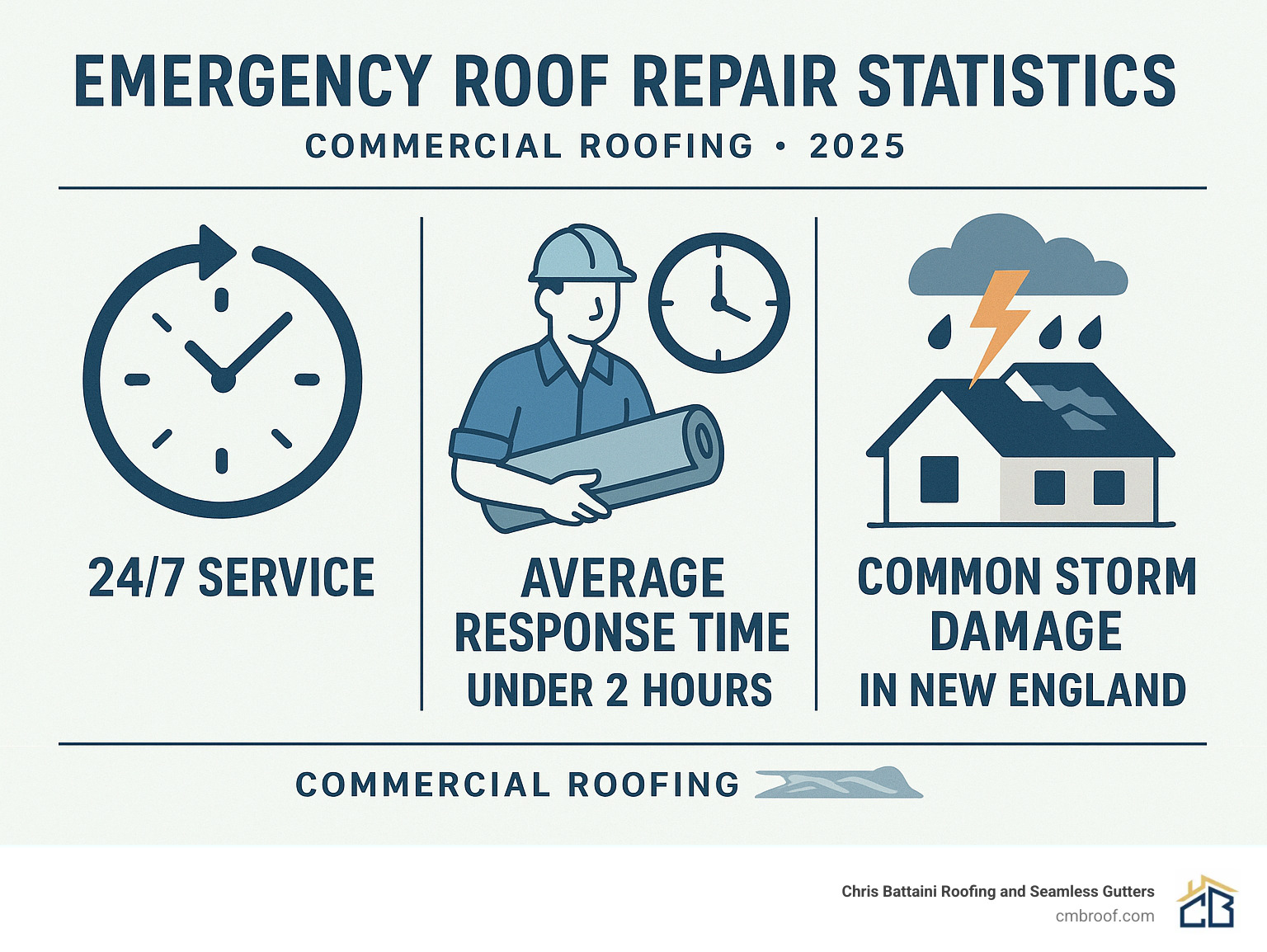
– 24/7 emergency repair services
– Written warranties on workmanship
A single roof leak doesn’t just damage inventory or equipment. It shuts down operations. It sends customers away. It creates liability issues that can cost thousands in lost productivity.
Your roof isn’t overhead – it’s a profit center. A quality commercial roofing system keeps your business running when storms hit. Poor roofing stops revenue cold.
In Nova Scotia’s harsh climate, where heavy snow loads, freeze-thaw cycles, and salt air attack roofing systems year-round, choosing the wrong contractor or cutting corners on materials becomes expensive fast.
Most commercial roofing systems come with limited 10-year warranties. But finding a contractor who understands your local climate challenges and uses proven installation techniques matters more.
Commercial roofing terms you need:
– roofing materials
– roof inspection services
– roof shingles
Your commercial roofing system is one of your most important revenue generators. Not because it makes money directly, but because it keeps money flowing when everything else wants to shut you down.
Downtime costs hit your bottom line harder than any repair bill. When that manufacturing line shuts down because of a roof leak, you’re not just losing today’s production. You’re disappointing customers, scrambling to reschedule deliveries, and watching competitors pick up business you can’t fulfill.
Retail stores lose entire weekends of sales when they close sections to customers. Office buildings that evacuate employees don’t just lose productivity – they lose momentum on projects, deals, and deadlines that can’t be rescheduled.
Asset protection goes beyond keeping rain out. Your roof is the first line of defense for everything valuable inside your building. Water damage to a server room can cost more than replacing your entire roof.
Energy spending through a failing roof is like watching money drain from your bank account monthly. Poor insulation, air leaks, and thermal problems in damaged roofing systems can easily double your heating and cooling costs. In Massachusetts winters and summers, that’s serious money.
A properly installed, energy-efficient commercial roofing system actually pays you back through lower utility bills month after month.
Smart business owners don’t see roofing as an expense – they see it as infrastructure that protects their ability to make money. When the next storm hits, your roof is either keeping you in business or putting you out of it.
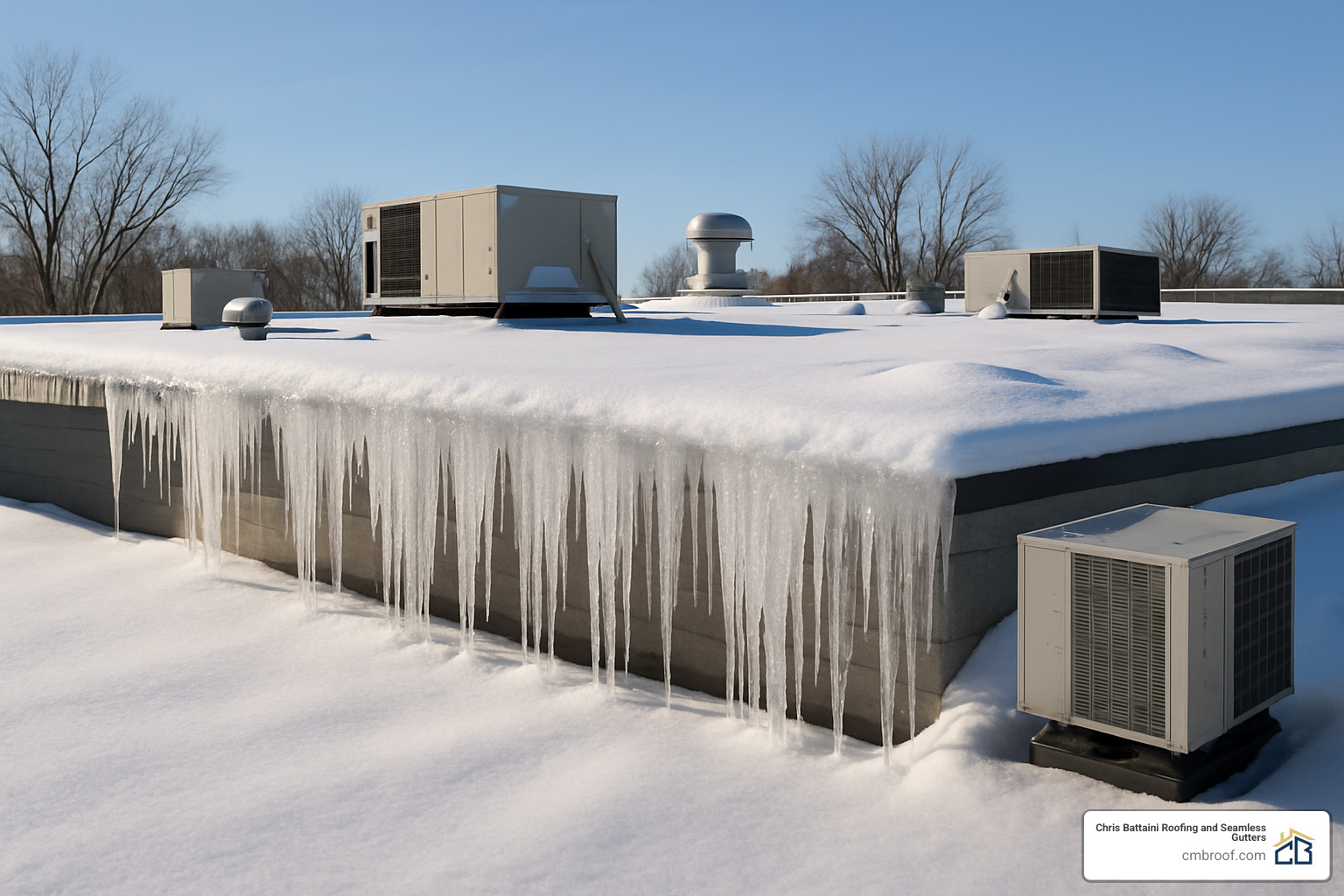
New England weather throws everything at commercial roofing systems year-round. We work throughout Berkshire County and Southern Vermont, where Mother Nature delivers winter snow loads hitting 50+ pounds per square foot, summer storms packing 70+ mph winds, and freeze-thaw cycles that repeat endlessly.
Snow load isn’t just about how much falls – it’s about how much your roof can handle before something gives way. Most commercial buildings need roofing systems rated for 30-50 pounds per square foot minimum. Ice dams and wind-blown snow create uneven loads that can exceed design limits in specific spots.
Freeze-thaw cycles are silent killers. Water seeps into tiny cracks, freezes overnight, expands, and makes cracks bigger. By spring, hairline issues become major leaks.
High winds create uplift forces that want to peel your entire roof off. Without proper edge metal installation and wind-rated fastening, storm season becomes a gamble you can’t afford to lose.
Blistering looks like bubble-like bumps in membrane roofing. These form when moisture gets trapped underneath and expands when heated. Those blisters will eventually pop and leak.
Membrane shrinkage happens as roofing materials age and contract, pulling away from flashings and edges, creating gaps where water sneaks in.
Metal corrosion attacks fasteners, edge metal, and roof-mounted equipment. Our salty New England air accelerates this process.
Ponding water means drainage isn’t working. Any water sitting for more than 48 hours after rain is a red flag.
Thermal splits show up as linear cracks following structural lines during temperature swings.
Wind uplift ratings need to match your building’s specific exposure and height. Getting fastening patterns and edge details right prevents catastrophic failures during storms.
Slope-to-drain design eliminates ponding through proper planning. Even “flat” roofs need at least 1/4 inch per foot slope toward drains.
Edge metal installation requires attention to both wind forces and thermal movement. More info about storm damage services explains our emergency response when weather hits hard.
Choosing the right commercial roofing system means matching material to your specific building needs and budget.
TPO (Thermoplastic Polyolefin) captures 40% of new construction projects because heat-welded seams create watertight bonds that last. The white surface reflects heat, keeping buildings cooler. These are average costs based on internet data and not actual costs for Chris Battaini Roofing and Seamless Gutters – TPO installation typically runs $4-15 per square foot.
EPDM (Ethylene Propylene Diene Monomer) holds 22% of new construction projects. This synthetic rubber membrane has a 30+ year track record and stays flexible in sub-zero temperatures. Average costs based on internet data range from $3-12 per square foot.
Modified Bitumen represents 12.4% of new construction market share. These systems combine asphalt with polymer modifiers, creating materials that bend without breaking. Self-healing properties mean small punctures often seal themselves. Average costs based on internet data show $3-10 per square foot.
Metal roofing costs more upfront but can last 40+ years. Standing seam metal systems shed snow and ice effectively. The longevity often makes metal most cost-effective over time.
| System | Market Share | Typical Lifespan | Energy Efficiency |
|---|---|---|---|
| TPO | 40% new/30% reroof | 15-20 years | Excellent |
| EPDM | 22% new/26% reroof | 20-25 years | Good |
| Modified Bitumen | 12.4% new/14% reroof | 15-20 years | Fair |
| Metal | Variable | 30-50 years | Excellent |
Polyisocyanurate (polyiso) insulation dominates commercial roofing because it delivers excellent R-value per inch while creating stable substrate for membrane installation.
New England commercial buildings typically need R-25 to R-30 continuous insulation to meet energy codes. Proper insulation design pays for itself through lower energy bills.
Condensation control requires getting vapor barriers in the right place. Moisture trapped in roofing assemblies destroys insulation effectiveness and damages structural components.
Scientific research on cool roofs shows reflective roofing can cut cooling costs by 10-30% in commercial buildings.
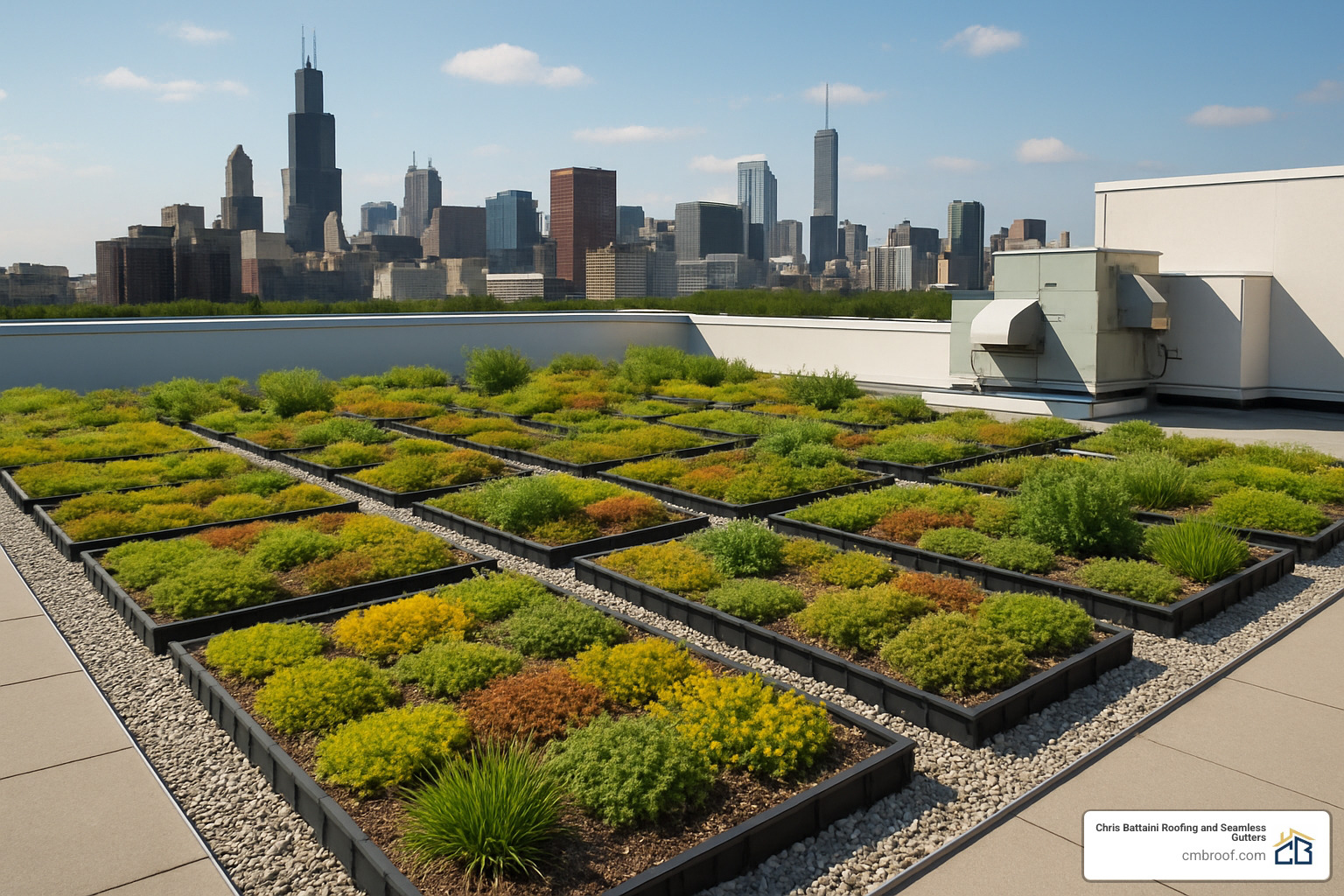
Vegetative roofs transform unused roof space into functional outdoor areas while providing superior insulation. Solar-ready assemblies let you add photovoltaic panels without voiding roof warranties.
Tax credits and incentives often offset additional costs of green roof and solar installations. These incentives can make sustainable roofing options cost-competitive with traditional systems.
Choosing the wrong commercial roofing contractor can turn a necessary investment into a costly nightmare. Not all roofing contractors are created equal – some focus on residential work and take commercial projects without proper experience.
Licensing requirements form your first protection. Every legitimate contractor carries proper state licenses and local permits. Verify licenses through your state licensing board.
Manufacturer certifications separate professionals from part-timers. GAF Master Select status requires ongoing training, proper licensing, and at least $1 million in general liability insurance. Less than 1% of roofing contractors achieve this certification.
When checking references, actually call those customers. Ask about timeline, cleanup, problem-solving, and whether they’d hire the contractor again.
Budget planning requires understanding realistic market pricing. These are average costs based on internet data and not actual costs for Chris Battaini Roofing and Seamless Gutters – commercial roofing costs typically range from $4-30+ per square foot for complex projects. Extremely low bids often signal corners being cut.
Your scope of work should read like a recipe. Every material, installation method, cleanup procedure, and quality standard needs clear definition.
Timeline commitments matter more in commercial work. Your business operations depend on predictable schedules. Make sure contracts include realistic start dates, completion dates, and weather contingencies.
Payment schedules should protect your cash flow while keeping projects moving. Tie payments to completed work phases. Avoid large upfront payments.
Change orders happen on most commercial projects. Establish clear procedures before work begins. All changes need written documentation with cost and schedule impacts.
Manufacturer warranties typically cover materials for 10-20 years but come loaded with exclusions. Poor installation, lack of maintenance, and severe weather often void coverage.
Contractor workmanship warranties cover installation defects and should last at least 2-5 years. Understanding your maintenance responsibilities prevents warranty disputes later.
More information about warranties and why they are important provides detailed guidance on warranty terms and conditions.
Your commercial roofing system needs regular maintenance – ignore it, and small problems turn into expensive breakdowns.
Annual inspections are your first defense against costly surprises. We recommend professional inspections twice yearly – spring to assess winter damage, and fall to prepare for harsh weather.
Infrared scans work like X-rays for your roof, revealing moisture infiltration invisible during visual inspections. Drone mapping captures detailed condition data safely from above without sending technicians across dangerous roof surfaces.
Preventive maintenance pays for itself many times over. Regular cleaning, drain maintenance, and minor repairs prevent major failures that shut down operations.
24/7 leak service matters because emergencies don’t wait for convenient timing. More info about Roof Inspection Services details our comprehensive inspection protocols and emergency response procedures.
Seasonal tasks address New England’s unique weather challenges. Spring means assessing winter damage and cleaning drains. Summer focuses on UV damage evaluation. Fall includes removing leaves from drains and preparing for winter.
Budgeting for roof maintenance should allocate 1-3% of total roof replacement cost annually. Preventive maintenance costs a fraction of emergency response.
Storm damage requires immediate action. Temporary tarping provides crucial protection while permanent repairs are planned. Moisture surveys using thermal imaging identify all affected areas, not just obvious leaks.
Insurance documentation requires detailed photography and professional damage assessment. More info about Commercial Roof Repair Solutions outlines our complete emergency response procedures.
TPO systems typically last 15-20 years when properly installed and maintained. EPDM systems often reach 20-25 years, with some lasting over 30 years. Metal roofing can last 30-50 years with proper maintenance.
New England’s freeze-thaw cycles, intense UV exposure, and severe weather reduce these averages by 10-20% compared to milder climates.
Twice yearly prevents major problems – spring inspections reveal winter damage, fall inspections prepare for winter’s assault. Post-storm inspections protect insurance coverage and prevent small problems from becoming big headaches.
Annual thermal imaging should complement visual inspections, revealing moisture infiltration completely invisible during regular inspections.
Cool roofs can reduce total energy bills in New England. Summer cooling savings are dramatic – cool roofs can slash air conditioning costs by 10-30%. Winter heating impacts depend heavily on your building’s insulation. Well-insulated buildings see minimal heating cost increases from cool roofs.
Net energy savings typically favor cool roofs even in Massachusetts when properly designed with adequate insulation.
Your commercial roofing system is more than just protection overhead – it’s the foundation of your business continuity. After decades of working with business owners across Western Massachusetts, we’ve learned that the smartest investments happen when you choose the right materials for New England’s demanding climate, work with qualified contractors who understand local challenges, and commit to proper maintenance from day one.
Owner-led service makes all the difference in commercial roofing projects. When Chris personally oversees every installation, you get the attention to detail that prevents callbacks and warranty issues. We’ve built our reputation on being there when you need us most – whether that’s during the initial planning phase or years later when maintenance questions arise.
Our comprehensive workmanship warranties aren’t just paperwork – they’re our promise that your roofing investment will perform as expected. We stand behind every installation because we use proven techniques and quality materials designed for New England’s harsh weather patterns.
Deep Berkshire County roots give us insights that out-of-area contractors simply can’t match. We understand how lake-effect snow hits differently in the Berkshires versus the Connecticut River Valley. We know which materials handle freeze-thaw cycles best and which installation details prevent wind uplift during those sudden summer storms.
From heavy snow loads that test structural limits to ice dams that create concentrated stress points, we design and install roofing solutions that keep your business running when others shut down. Your employees, customers, and bottom line depend on that reliability.
Don’t let poor roofing decisions drain profits from your business operations. Smart business owners invest in quality materials, professional installation, and ongoing maintenance that protects their investment for decades. The upfront cost of doing things right pays dividends every time a storm passes without disrupting your operations.
More info about Commercial Roofing Services provides additional details about our comprehensive commercial roofing solutions custom to your specific business needs.
Chris Battaini Roofing and Seamless Gutters proudly serves Berkshire, Hampden, Hampshire, and Franklin Counties in Massachusetts.
Need a reliable roofer? CMB Roofing provides licensed, insured, and professional roofing services for homeowners and businesses.
We stand by a simple promise: Clear estimates. Quality workmanship. Clean job sites.
From roof repairs and full replacements to storm damage restoration, our team delivers dependable results with durable materials, expert installation, and complete site cleanup.




Book your Spring installation now and save $500 on a complete roof and seamless gutter system.
Spring booking required for discount eligibility.
Mention code SPRING2026 during your estimate to qualify.
Valid for complete roof + gutter system installations only. Must book by April 1, 2026. Mention SPRING2026 at the estimate to qualify. Not combinable with other offers.