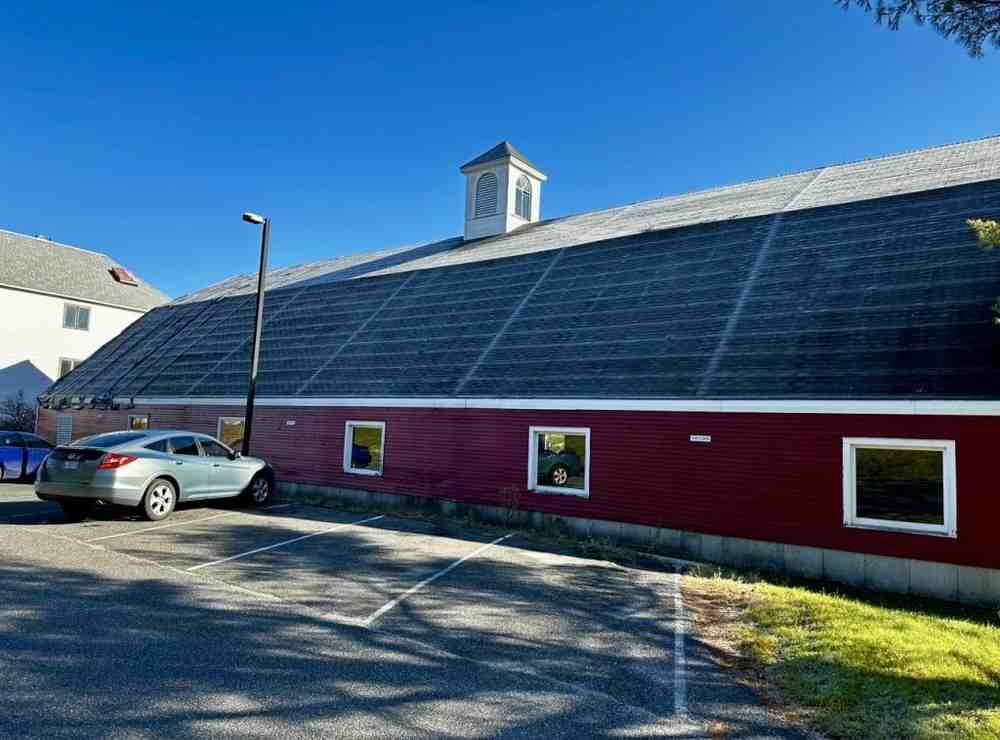

Why Your Business’s First Line of Defense
Commercial roofers Springfield MA are responsible for protecting your business’s most valuable assets—inventory, equipment, employees, and operations. Here’s what you need to know to find the right contractor:
Top Commercial Roofers in Springfield, MA offer:
- Licensed & Insured Services – Verify Massachusetts CSL license and liability coverage
- Specialized Commercial Systems – TPO, EPDM, PVC, metal roofing, and flat roof expertise
- Emergency Response – 24/7 availability for storm damage and urgent repairs
- Manufacturer Certifications – Look for elite credentials like Owens Corning Platinum Preferred Contractor
- Local Experience – Contractors who understand Springfield’s heavy snowfall and temperature extremes
- Comprehensive Services – Inspections, repairs, replacements, coatings, and maintenance programs
Your commercial roof isn’t just another building component—it’s your business’s first line of defense. A quality roofing system protects everything inside your facility for decades with minimal upkeep, while a failing roof can compromise structural integrity, damage inventory, and force costly operational shutdowns. Springfield’s weather presents unique challenges, from heavy winter snow loads to summer heat stress, making it critical to partner with experienced commercial roofers who understand local conditions.
Established contractors in the region stress the importance of local experience, as it’s essential for engineering roofing systems designed specifically for Springfield’s climate. Decades of collective experience have shown that understanding the demands of heavy snowfall and extreme temperature swings is non-negotiable.
The cost of getting it wrong is steep. Poor commercial roofing can have a detrimental effect on the stability and longevity of your building—not to mention your bank account, as one local contractor puts it. Commercial structures must also comply with specific building codes and zoning regulations, which means your roofing contractor needs to understand more than just how to install shingles.
I’m Christopher Battaini, owner of Chris Battaini Roofing & Seamless Gutters and an Owens Corning Platinum Preferred Contractor—a distinction earned by only the top tier of roofing professionals in the country. While I’ve spent over two decades serving homeowners and businesses throughout Berkshire County with the same commitment to quality and honest communication that commercial roofers Springfield MA customers deserve, I understand the critical decisions business owners face when protecting their facilities.
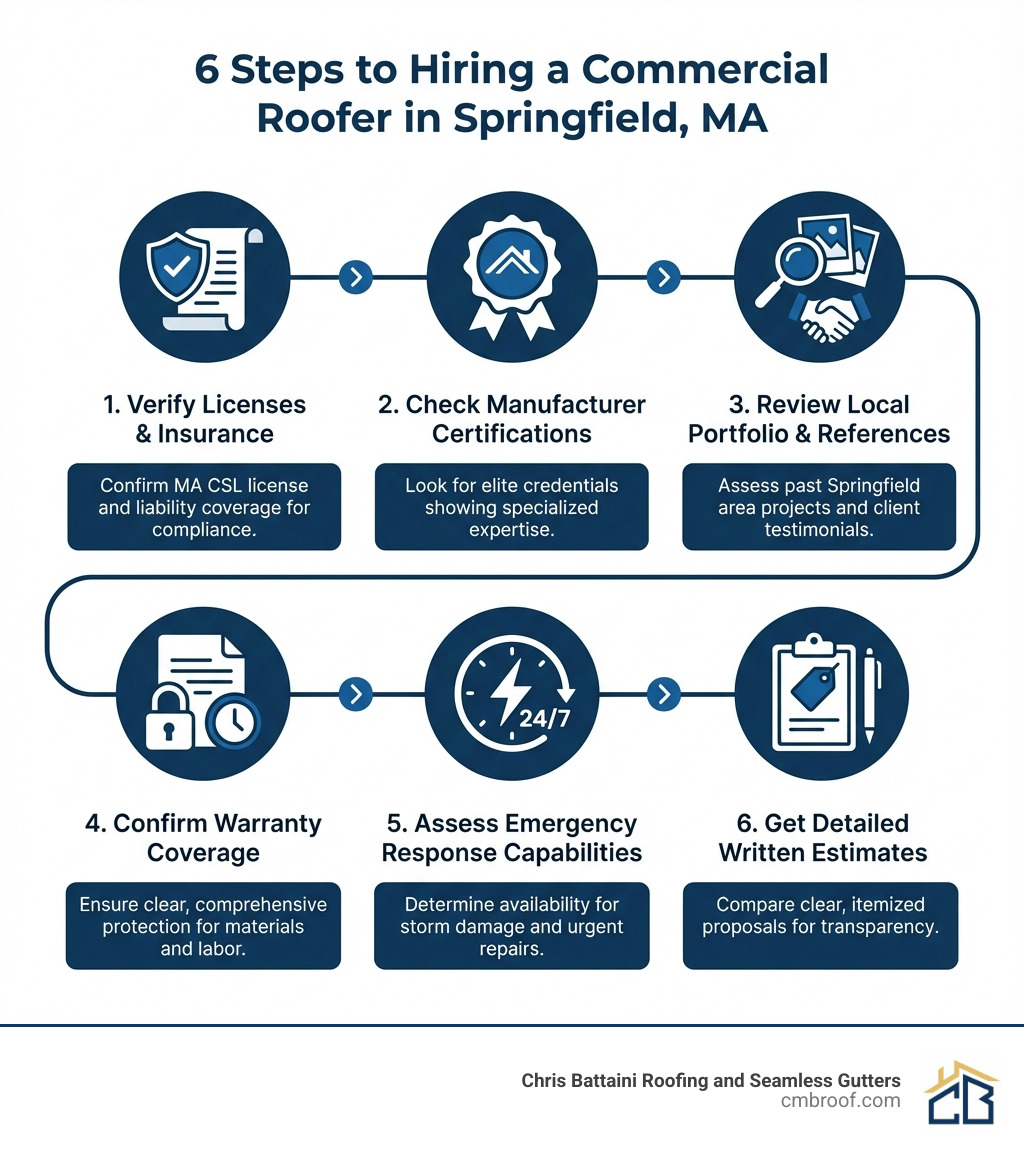
Commercial roofers Springfield MA word guide:
Vetting Potential Commercial Roofers in Springfield MA
Choosing the right commercial roofers Springfield MA is a decision that impacts your business’s bottom line, operational continuity, and long-term asset protection. It’s not just about finding someone to put a roof over your head; it’s about partnering with experts who understand the unique demands of commercial properties in a climate like Springfield’s. This vetting process is crucial to avoid costly mistakes and ensure a durable, compliant, and efficient roofing system.
When evaluating potential contractors, we suggest a thorough approach that goes beyond a quick online search. Look for a team that prioritizes open and honest communication, offers custom solutions, and demonstrates a deep understanding of both materials and local building requirements. A quality roofing system, installed right and leveraging the best materials, can protect your facilities for decades to come, with minimal upkeep. This is the kind of long-term investment you’re making, and your contractor should reflect that commitment.
Here’s a list of essential vetting questions and considerations for commercial roofers in the Springfield area:
- Licensing and Insurance Verification: Are they properly licensed to operate in Massachusetts? Do they carry comprehensive liability insurance and workers’ compensation? This protects you from potential liabilities if accidents occur on your property.
- Manufacturer Certifications: Does the roofer hold certifications from leading material manufacturers? These certifications often indicate a high level of training, adherence to strict installation guidelines, and access to improved warranties. For instance, an Owens Corning Platinum Preferred Contractor has demonstrated superior craftsmanship and service.
- Warranty Guarantee: What kind of warranties do they offer on both their workmanship and the materials used? Reputable contractors will stand behind their work with robust guarantees, often offering long-term warranties of 10, 15, or even 20 years.
- Local Experience and Portfolio: Have they successfully completed commercial projects similar to yours in Springfield or the surrounding region? Local experience means they understand the specific building codes, weather challenges, and architectural styles prevalent in the area. Look for a portfolio that showcases diverse commercial projects.
- Customer Reviews and References: What do other businesses say about their work? Online reviews and direct references can offer invaluable insights into a contractor’s professionalism, reliability, and quality of work. Look for consistent themes of punctuality, communication, and high standards of cleanliness.
- Safety Records (OSHA): Do they have a strong safety record? Commercial roofing can be hazardous, and a commitment to safety protects both the workers and your property. Inquire about their safety protocols and training.
- Project Management Process: Do they have a clear, structured process for projects, from initial consultation to post-installation checks? A professional process often includes an initial consultation, a detailed proposal, professional installation, thorough cleanup, and a final post-install check.
- Disruption Minimization: How do they ensure minimal disruption to your business operations during the project? This is particularly vital for active commercial properties. Many reputable contractors prioritize on-time scheduling and efficient work to allow businesses to continue operating uninterrupted.
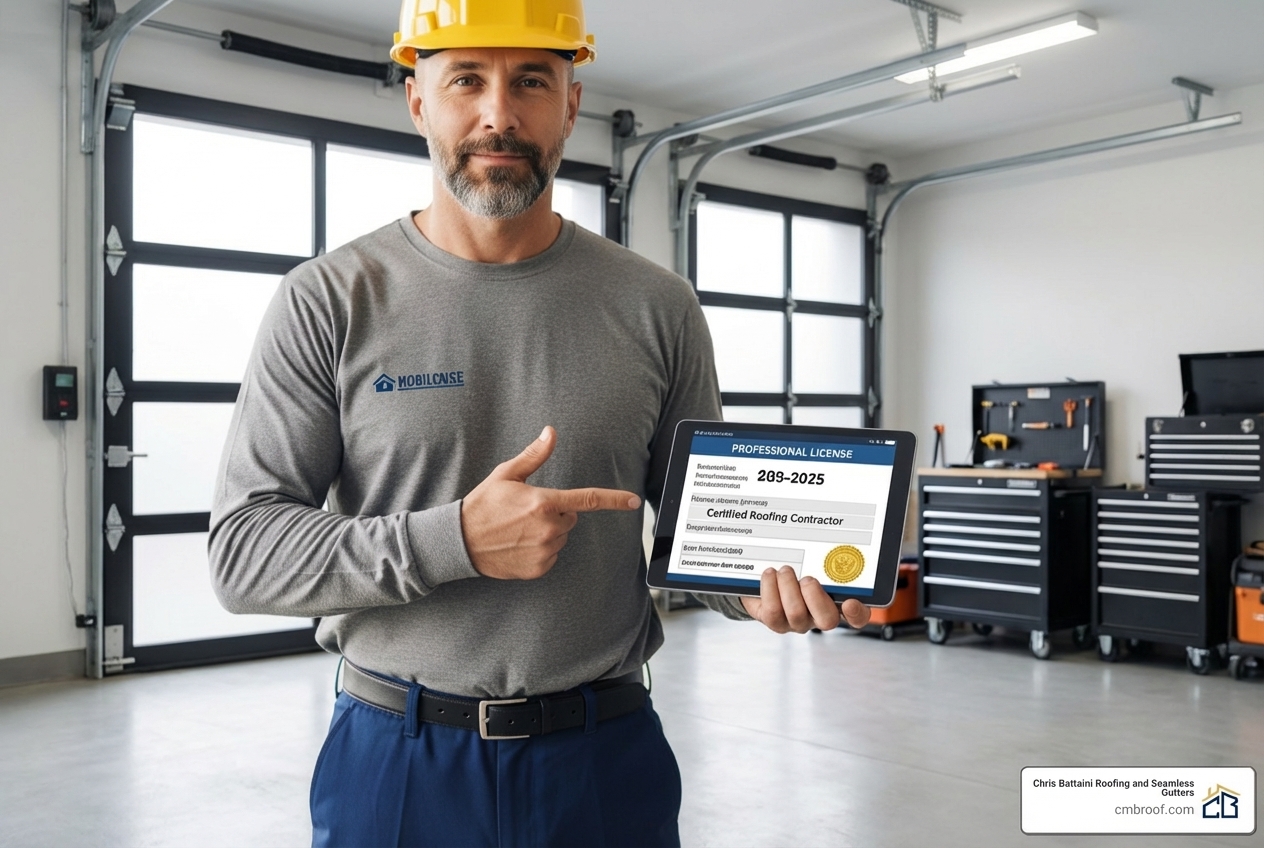
Key Qualifications and Certifications to Verify
When you’re vetting commercial roofers Springfield MA, certain qualifications and certifications are non-negotiable. These credentials are your assurance that you’re dealing with a professional, knowledgeable, and responsible contractor.
- Massachusetts Construction Supervisor License (CSL): This is a fundamental requirement for anyone overseeing construction projects in Massachusetts, including commercial roofing. Always verify that the individual or company holds an active CSL. You can easily check a contractor’s license with the state of Massachusetts.
- Proof of Liability and Workers’ Comp Insurance: Never hire a contractor who cannot provide current certificates of insurance for both general liability and workers’ compensation. General liability protects your property from damage during the project, while workers’ comp covers their employees in case of injury. Without this, you could be held liable.
- Better Business Bureau (BBB) Rating: While not a government certification, a strong BBB rating (A+ is ideal) indicates a company’s commitment to customer satisfaction and ethical business practices. It reflects how well they resolve customer complaints.
- Manufacturer-Specific Certifications: Beyond general licensing, look for certifications from the manufacturers of the roofing materials they install. These often signify specialized training and expertise in particular roofing systems (e.g., TPO, EPDM, PVC). As an Owens Corning Platinum Preferred Contractor, we understand the rigorous standards these certifications represent, ensuring top-tier installation and warranty eligibility. These certifications are a testament to a roofer’s commitment to quality and ongoing education in their craft.
- For more comprehensive information on what to look for in a roofing professional, we recommend consulting our Roofing Contractors Ultimate Guide.
Understanding the Scope of Commercial Roofing Services
Commercial roofers Springfield MA offer a broad spectrum of services designed to meet the diverse needs of commercial properties. From the initial installation to ongoing maintenance and emergency repairs, a reputable contractor provides solutions that ensure the longevity and performance of your commercial roof. These services are crucial for businesses in Springfield, where the climate can be particularly demanding.
The primary services you should expect from top-tier commercial roofing companies include:
- Commercial Roof Repair Solutions: Timely and effective repairs are essential for extending the life of your roof. This includes addressing leaks, patching punctures, repairing flashing failures, and fixing drainage issues. Prompt action on minor problems can prevent them from escalating into major, costly damage.
- Proactive Maintenance Programs: Regular maintenance is the key to preventing unexpected failures. These programs typically involve scheduled inspections, cleaning debris, minor repairs, and condition reports. A well-maintained roof lasts longer, performs better, and costs less in the long run.
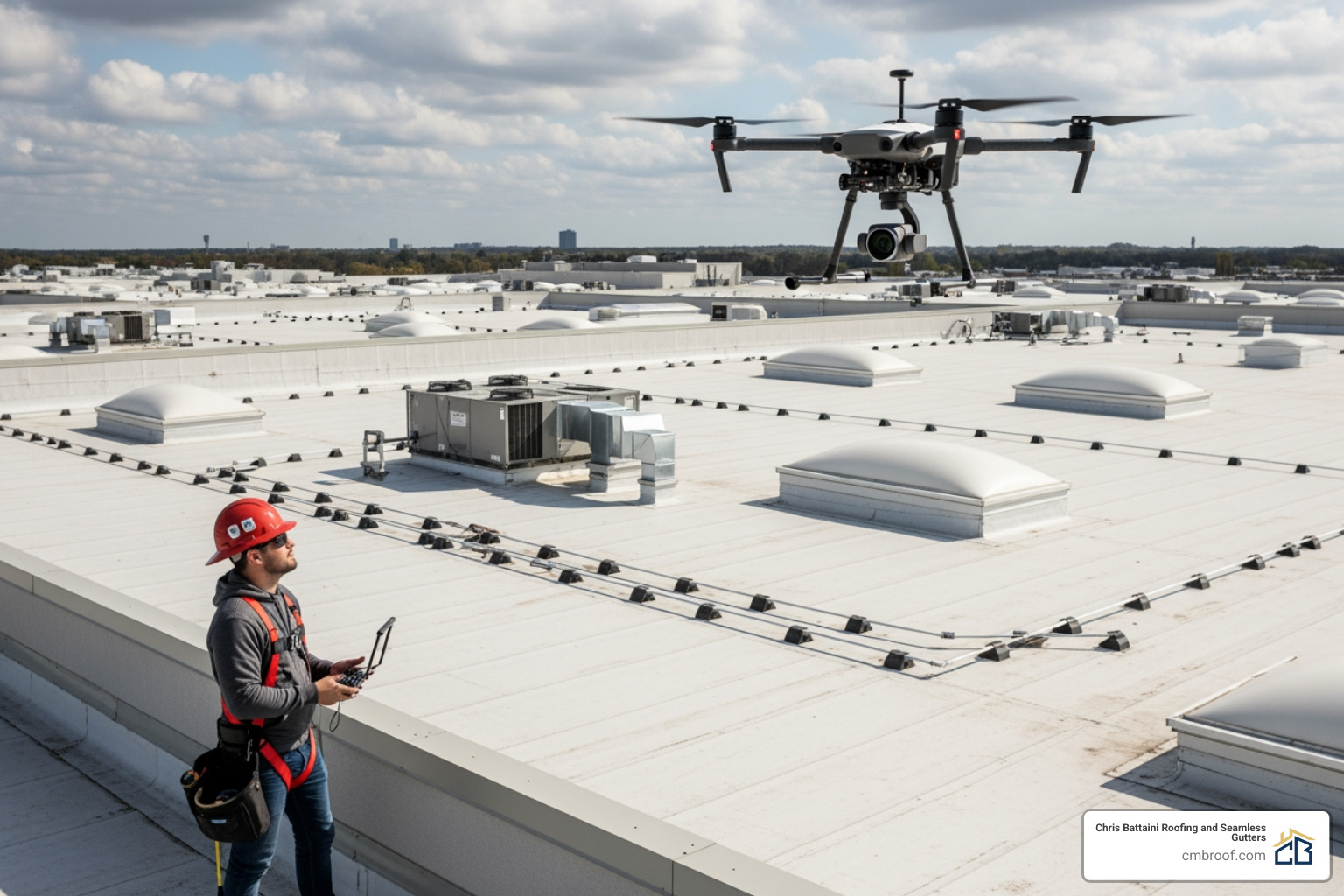
- Commercial Roof Inspection Ultimate Guide: Comprehensive roof inspections are vital for identifying potential issues before they become critical. This often includes detailed evaluations of seams, flashing, drainage systems, membrane condition, and structural integrity. Some forward-thinking companies even offer free thermal drone inspections to pinpoint hidden problems.
- Roof Restoration and Coatings: Instead of full replacement, many commercial roofs can benefit from restoration. This involves cleaning, repairing, and applying high-performance coatings (like Gaco products) that can improve UV resistance, waterproofing, and energy efficiency. Restoring a roof can be a cost-effective alternative to replacement, potentially extending its life significantly.
- Commercial Roof Replacement: When a roof reaches the end of its lifespan or sustains irreparable damage, a full replacement is necessary. This involves removing the old roofing system and installing a new one. Specialists in commercial and industrial roof replacement will offer a full menu of material options.
- New Construction Roofing: For new commercial buildings, roofers provide design, consultation, and installation services, ensuring the new roof meets all local building codes and manufacturer requirements. This often involves working closely with architects and general contractors.
- Snow Removal: Given Springfield’s climate, commercial snow removal is a critical service. Heavy snow accumulation can compromise structural integrity and lead to costly damage. Professional roofers often offer commercial snow removal as part of their services.
What Do Commercial Roofers in Springfield MA Offer for Emergencies?
Emergencies don’t wait for business hours, and neither should your commercial roofers Springfield MA. A sudden leak, storm damage, or excessive snow load can bring your operations to a halt, making rapid response absolutely critical. Reputable commercial roofing contractors in Springfield understand this urgency and offer specialized services to address unexpected roofing crises.
- 24/7 Emergency Response: The best commercial roofers provide round-the-clock emergency services. This means they are available to assess and mitigate urgent roofing issues at any time, day or night, minimizing damage and downtime for your business. Many top contractors highlight their 24/7/365 availability for roofing emergencies.
- Roof Storm Damage Assessment: After severe weather events like heavy rain, high winds, or hail, a quick and accurate assessment of roof damage is paramount. Emergency services include inspecting for punctures, tears, dislodged materials, and structural compromise to determine the extent of the damage and necessary repairs.
- Snow Load Management and Removal: Springfield’s winters can bring significant snowfall, posing a serious threat to commercial roofs. Excessive snow accumulation can exceed a roof’s structural capacity, leading to dangerous collapses. Emergency services include safe and professional snow and ice removal to alleviate dangerous loads and prevent structural failure.
- Ice Dam Solutions: Ice dams form when melting snow refreezes at the eaves, creating a barrier that prevents further meltwater from draining. This can cause water to back up under shingles and into your building. Emergency services involve safely removing ice dams and addressing underlying issues to prevent recurrence.
- Roof Insurance Claim Help: Dealing with insurance companies after storm damage can be complex and frustrating. Many commercial roofers offer assistance with the insurance claims process, providing detailed documentation, estimates, and even direct communication with adjusters to help you steer the process and ensure you receive fair compensation for repairs.
Common Commercial Roofing Systems and Materials
The world of commercial roofing is vast, with a variety of systems and materials designed to meet different structural, budgetary, and performance needs. Commercial roofers Springfield MA specialize in a range of options, each with its unique benefits and considerations for properties in the region. Understanding these choices is key to making an informed decision for your business.
Here are some of the most common commercial roofing systems and materials:
- Commercial Flat Roofing: Flat roofs are prevalent on commercial and industrial buildings. While called “flat,” they actually have a slight slope for drainage. They require specialized materials and installation techniques to ensure water doesn’t pool.
- Single-Ply Membranes: These are flexible sheets of synthetic polymer materials that are installed in a single layer.
- TPO (Thermoplastic Polyolefin): A popular, energy-efficient option known for its durability, resistance to UV rays, punctures, and chemicals. It’s often white, reflecting sunlight and reducing cooling costs.
- EPDM (Ethylene Propylene Diene Monomer): Often called “rubber roofing,” EPDM is a highly durable synthetic rubber membrane widely used for low-slope buildings. It’s known for its long lifespan, weather resistance, and resilience, making it an accommodating system for many commercial facilities.
- PVC (Polyvinyl Chloride): Similar to TPO, PVC is also a thermoplastic membrane. It’s highly resistant to fire, chemicals, and grease, making it suitable for restaurants or industrial facilities.
- Metal Roofing Installation: Metal roofs are increasingly chosen for their exceptional durability, longevity (often 40-70 years), fire resistance, and aesthetic appeal. They can be installed on both low-slope and steep-slope roofs and come in various forms like standing seam, R-panel, and corrugated.
- Built-Up Roofing (BUR): One of the oldest commercial roofing systems, BUR consists of multiple layers of asphalt or tar alternated with plies of reinforcing fabrics, topped with a layer of aggregate (gravel) or coating. It’s known for its robust waterproofing.
- Modified Bitumen: An evolution of BUR, Modified Bitumen roofing uses asphalt-based sheets modified with polymers to improve flexibility and durability. It’s often installed in multiple layers using heat (torch-applied) or cold adhesives.
- Energy-Efficient “Cool Roof” Options: Many modern commercial roofing materials, especially white or reflective coatings and membranes like TPO and PVC, are designed to reflect sunlight and absorb less heat. This can significantly reduce a building’s cooling costs, a benefit in Springfield’s summer heat.
How to Choose the Right System for Your Building
Selecting the optimal commercial roofing system isn’t a one-size-fits-all decision. It requires careful consideration of several factors unique to your business and property. The expertise of commercial roofers Springfield MA is invaluable in navigating these choices.
-
Factors to Consider:
- Building Use: What kind of operations are conducted inside? A restaurant might need a grease-resistant PVC, while a warehouse might prioritize durability and cost-effectiveness with TPO or EPDM.
- Budget: Initial installation costs vary significantly between systems. While a metal roof might have a higher upfront cost, its long lifespan and low maintenance can offer a better long-term return on investment.
- Climate: Springfield’s heavy snowfall and temperature fluctuations mean you need a system designed to withstand these extremes. Materials with excellent thermal performance and wind uplift resistance are crucial.
- Structural Capacity: Can your building’s structure support the weight of a particular roofing system?
- Desired Lifespan: How long do you expect the roof to last? Some systems offer a shorter lifespan but lower initial cost, while others are built to last for decades.
- Energy Efficiency Goals: Are you aiming to reduce energy consumption? “Cool roof” options or highly insulated systems can significantly impact your heating and cooling bills.
- Maintenance Requirements: Some systems require more frequent maintenance than others. Consider the ongoing commitment.
- Aesthetics: For retail or office buildings, the appearance of the roof might be a factor, especially if it’s visible from the ground.
-
Low-Slope vs. Steep-Slope Applications: Commercial buildings predominantly feature low-slope (or “flat”) roofs, which require specific membrane systems like TPO, EPDM, PVC, BUR, or Modified Bitumen. Steep-slope commercial roofs (less common but found on some institutional or mixed-use buildings) might use metal, shingles, or slate. Your contractor will guide you on the best fit for your roof’s pitch.
-
Importance of Professional Consultation: This is where experienced commercial roofers Springfield MA shine. Certified roofing consultants can assist in determining the best type of roof based on your individual needs and constraints. They’ll conduct a thorough assessment of your existing structure, discuss your business goals, and recommend a system that balances performance, cost, and longevity.
-
Minimizing Business Disruption: A key concern for any business owner is how a roofing project will impact daily operations. Reputable contractors prioritize efficient scheduling and project management to ensure work is performed in a way that enables businesses to continue operating uninterrupted. Discuss their strategies for noise reduction, staging materials, and managing access points during the project.
Decoding the Cost of Commercial Roofing in Springfield, MA
Understanding the cost of commercial roofing services in Springfield, MA, is a critical step for any business owner. While we can’t provide exact figures, we can shed light on the factors that influence pricing and how to approach getting a fair estimate. These are average costs based on publicly available internet data and not our actual pricing.
The average cost for commercial roofing services can range significantly, typically from $4 to $15 per square foot, but can easily exceed $45 per square foot for specialized materials, complex installations, or extensive structural work. This wide range highlights why a detailed, itemized quote is essential.
Disclaimer on Average Costs
Please note that all pricing mentioned here represents average costs based on publicly available internet data and not the actual pricing of Chris Battaini Roofing and Seamless Gutters. Our specific project costs are determined after a thorough assessment and consultation.
Factors Influencing Price
Several key factors will dictate the final cost of your commercial roofing project:
- Size of the Roof: Larger roofs naturally require more materials and labor, increasing the overall cost.
- Material Type: The choice of roofing material is one of the biggest cost drivers. Basic EPDM or TPO might be on the lower end, while advanced metal systems, specialized coatings, or complex multi-ply systems will be significantly more expensive.
- Project Complexity: Factors like the roof’s pitch, number of penetrations (HVAC units, skylights), existing damage requiring extensive repairs, or unique architectural features will add to the labor and material costs.
- Accessibility: If the roof is difficult to access (e.g., requires cranes, special scaffolding, or working around tight spaces), labor costs can increase.
- Location and Local Regulations: While the article focuses on Springfield, local building codes and permitting fees in any region can influence project costs.
- Removal of Old Roof: If it’s a tear-off replacement, the cost of safely removing and disposing of the old roofing system adds to the total.
- Warranty Length and Coverage: Extended warranties, especially those backed by manufacturers, often come with a slightly higher upfront cost due to the quality of materials and installation standards required.
For a deeper dive into understanding these figures, our Commercial Roofing Cost Guide 2025 provides comprehensive insights.
Cost of Repairs vs. Replacement
Knowing when to repair and when to replace is a crucial economic decision.
- Repairs: Targeted repairs are generally much more cost-effective than a full replacement, especially for localized issues like leaks, small punctures, or flashing failures. If your roof is structurally sound, targeted repairs and maintenance can extend its lifespan without needing a full overhaul, as one contractor wisely points out.
- Restoration: Roof restoration, involving cleaning, repairing, and coating, can also be a cost-effective alternative to replacement. Restoring a roof can pay for itself through extended lifespan and improved performance.
- Replacement: A full replacement is a significant investment, but it’s necessary when a roof is beyond repair, has reached the end of its service life, or has extensive storm damage. While more expensive upfront, it provides a brand-new system with a fresh warranty and improved performance.
Value of a Long-Term Investment
Thinking about your commercial roof as a long-term investment rather than just an expense is crucial. A quality roof protects your assets, ensures operational continuity, and can even improve energy efficiency, providing savings over its lifespan. A roofing investment is measured over time, emphasizing long-term value.
Getting a Detailed, Itemized Quote
Always insist on a detailed, itemized quote from any commercial roofers Springfield MA you consider. This should clearly outline:
- Materials to be used (brand, type, quantity)
- Labor costs
- Scope of work (prep, removal, installation, cleanup)
- Warranty details (workmanship and material)
- Project timeline
- Payment schedule
This transparency allows you to compare bids accurately and understand exactly what you’re paying for, giving you confidence in your choice.
Conclusion: Making the Right Choice for Your Springfield Business
Navigating the complexities of commercial roofing can feel daunting, but with the right approach, you can secure a durable, long-lasting, and high-performing roof for your business. For businesses in Springfield, MA, the key lies in partnering with commercial roofers Springfield MA who understand the local climate challenges and are committed to excellence.
We’ve explored the essential aspects of vetting potential contractors, from verifying licenses and insurance to understanding the diverse range of services and roofing systems available. We’ve also digd into the factors influencing costs, emphasizing the importance of detailed quotes and viewing your roof as a critical long-term investment.
Making the right choice means prioritizing long-term value over short-term savings. A slightly higher upfront investment in a reputable contractor and quality materials can prevent costly repairs, operational disruptions, and premature replacements down the line. Look for a partner who offers exceptional workmanship warranties and stands behind their service.
Our commitment to owner-led, on-site service and our distinction as an Owens Corning Platinum Preferred Contractor reflect the gold standard of quality and professionalism that any business, including those in Springfield, should seek in their commercial roofing partner. We believe that every commercial property deserves a roofing solution engineered for durability, efficiency, and peace of mind.
Chris Battaini Roofing and Seamless Gutters proudly serves businesses throughout Berkshire County, Massachusetts.
Ready to protect your commercial property? Contact Us for a comprehensive consultation and free estimate.
Follow us on Facebook — https://www.facebook.com/chrisbattainiroofing