-
10 Wendell Ave Extension Pittsfield, MA 01201
-
210 Columbia St., Lee, MA 01238

A roof storm damage assessment is a systematic inspection of your property after severe weather to find damage before it leads to costly repairs or insurance issues.
Quick Answer: How to Assess Roof Storm Damage
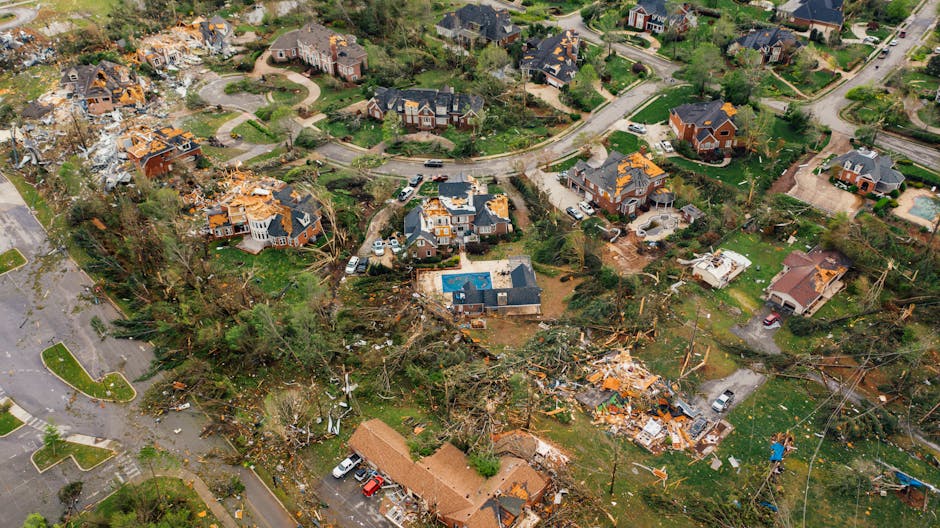
After a storm, the first question is often, “Did the storm damage my roof?” With wind and hail accounting for nearly 40% of homeowners insurance claims and average costs over $10,000, a proper assessment is critical for protecting your investment, especially in Berkshire County and Western Massachusetts.
Many homeowners spot obvious issues like missing shingles but miss subtle signs like lifted shingle edges or hidden attic moisture that can lead to rot. This guide provides a step-by-step process for a complete roof storm damage assessment, helping you identify damage, document it for insurance, and know when to call a professional.
Ignoring even minor storm damage can have serious consequences. Insurance policies don’t cover damage from neglect. A few loose shingles today can become a major leak tomorrow, and your insurer might refuse to pay. Acting quickly protects your home and your coverage.
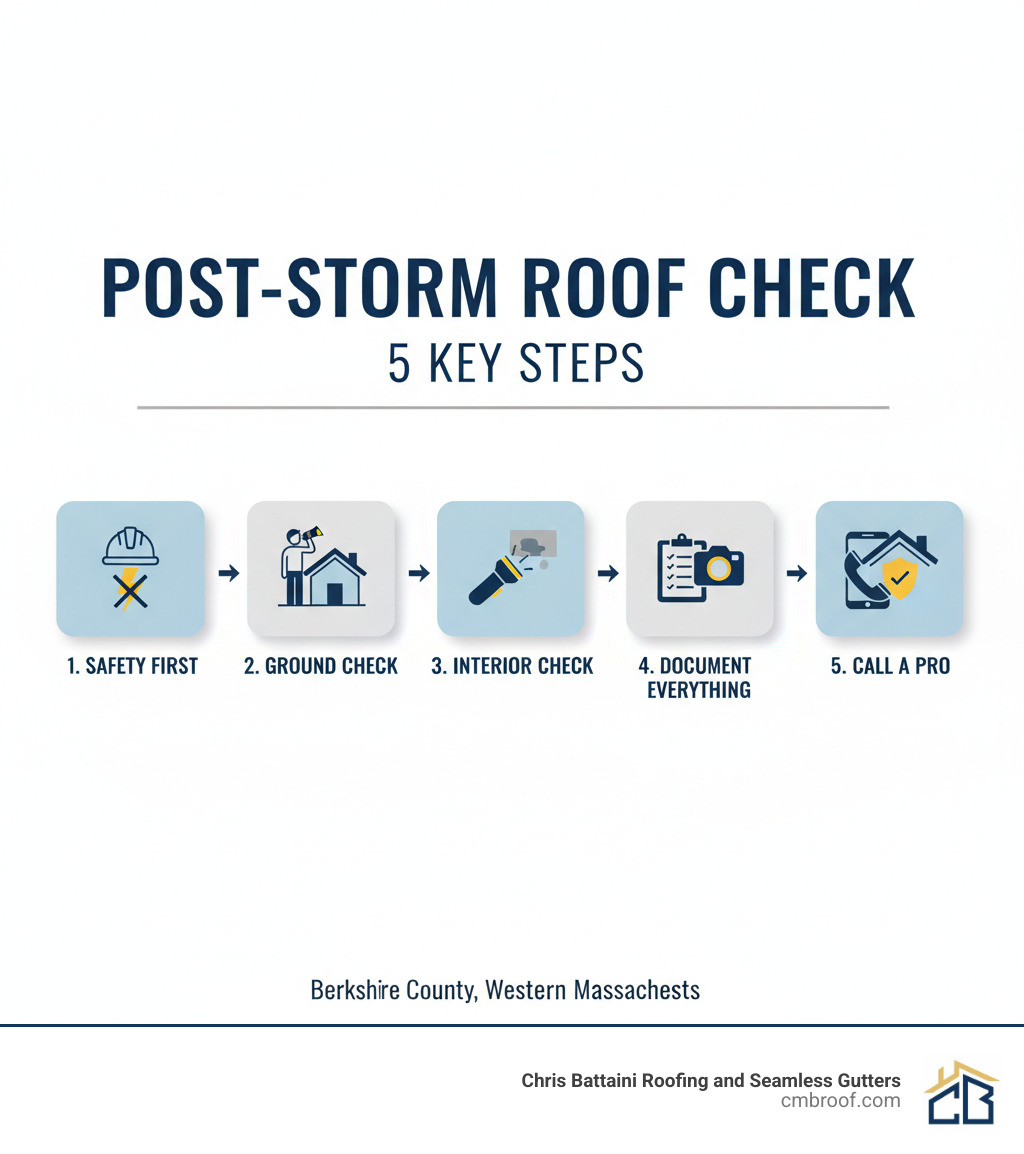
Your first priority is safety: never climb onto your roof after a storm. A roof can have hidden structural damage, making it unsafe to walk on.
Before you step outside, ensure the storm has completely passed. Then, scan your surroundings for immediate hazards:
Once the area is safe, begin your ground-level roof storm damage assessment with a perimeter walk-around. Debris in your yard, like shingles or pieces of flashing, indicates damage above. Look for dark, sandy granules in gutters or on your driveway—this is the protective coating from your shingles, and its loss accelerates roof aging.
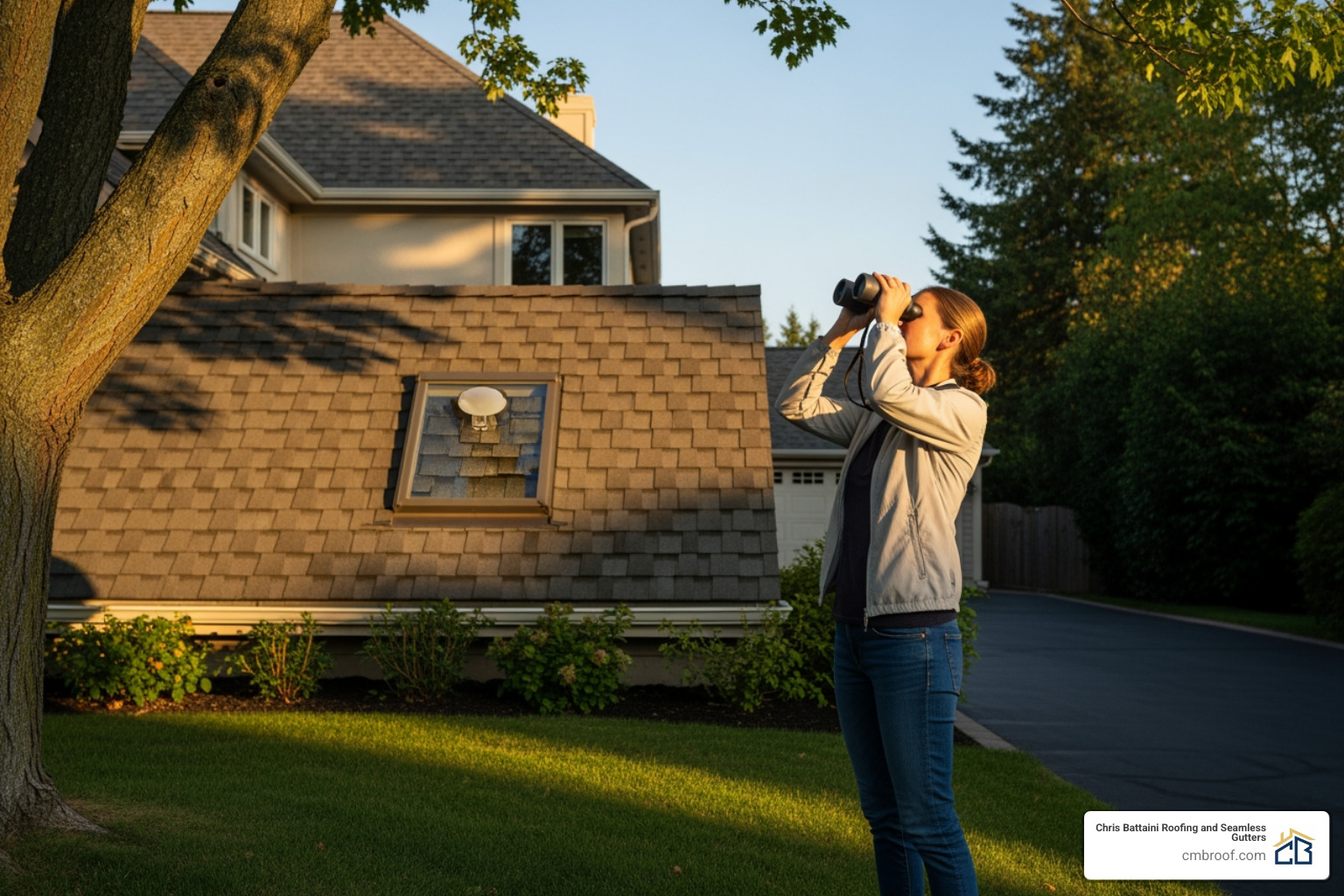
Use binoculars to get a closer look at your roof surface from different angles. Scan the ridges, valleys, and areas around chimneys and vents. Note anything that looks lifted, bent, or missing. This initial check helps you determine if you need immediate professional help. When in doubt, it’s always best to call an expert for a thorough evaluation. To learn more, visit our guide on Roof Inspections.
Knowing the specific signs of storm damage is key to an effective roof storm damage assessment. Severe weather in Western Massachusetts leaves distinct calling cards on your roof.
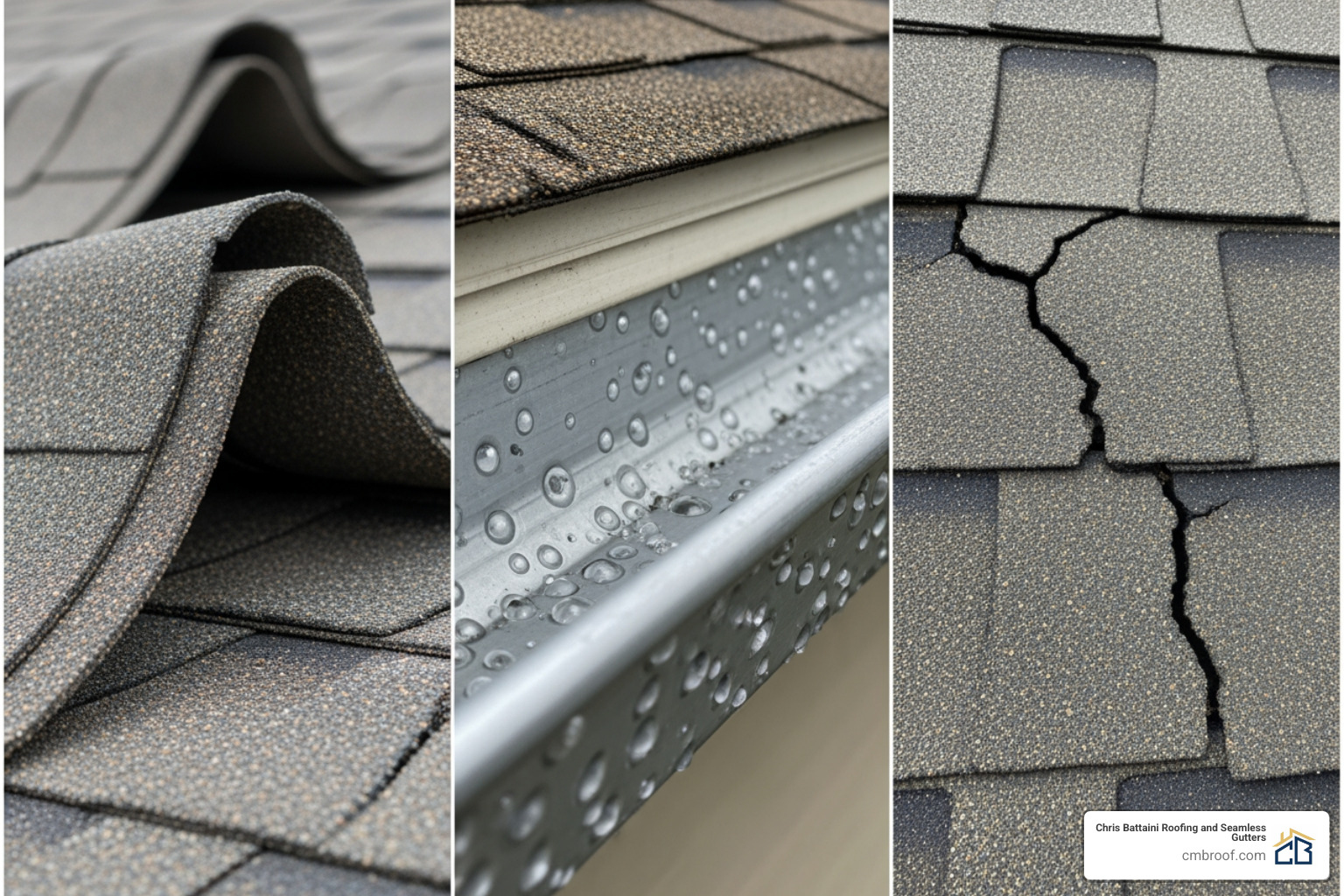
Even winds below hurricane strength (hurricane-force winds are classified by meteorologists as 74+ mph) can cause significant damage. Look for:
Hailstorms are brief but can cause thousands in damage. Look for:
Hail can damage all roof types, from asphalt to Metal Roofing and Cedar Shake Roofing.
Heavy rain tests every part of your roofing system. Look for:
The most serious storm damage often hides inside your home. Even if the roof looks fine from the outside, water could be seeping in, setting the stage for rot and mold. An interior roof storm damage assessment is essential.
Your attic is the first place to check. Grab a flashlight and, if it’s safe, look for these signs:
In your living spaces, look for these clues:
These interior signs are critical components of your assessment. They reveal problems that aren’t visible from the outside and require immediate attention to prevent more extensive damage. If you find an active leak, time is of the essence. For professional help, check out our Roof Leak Repair services.
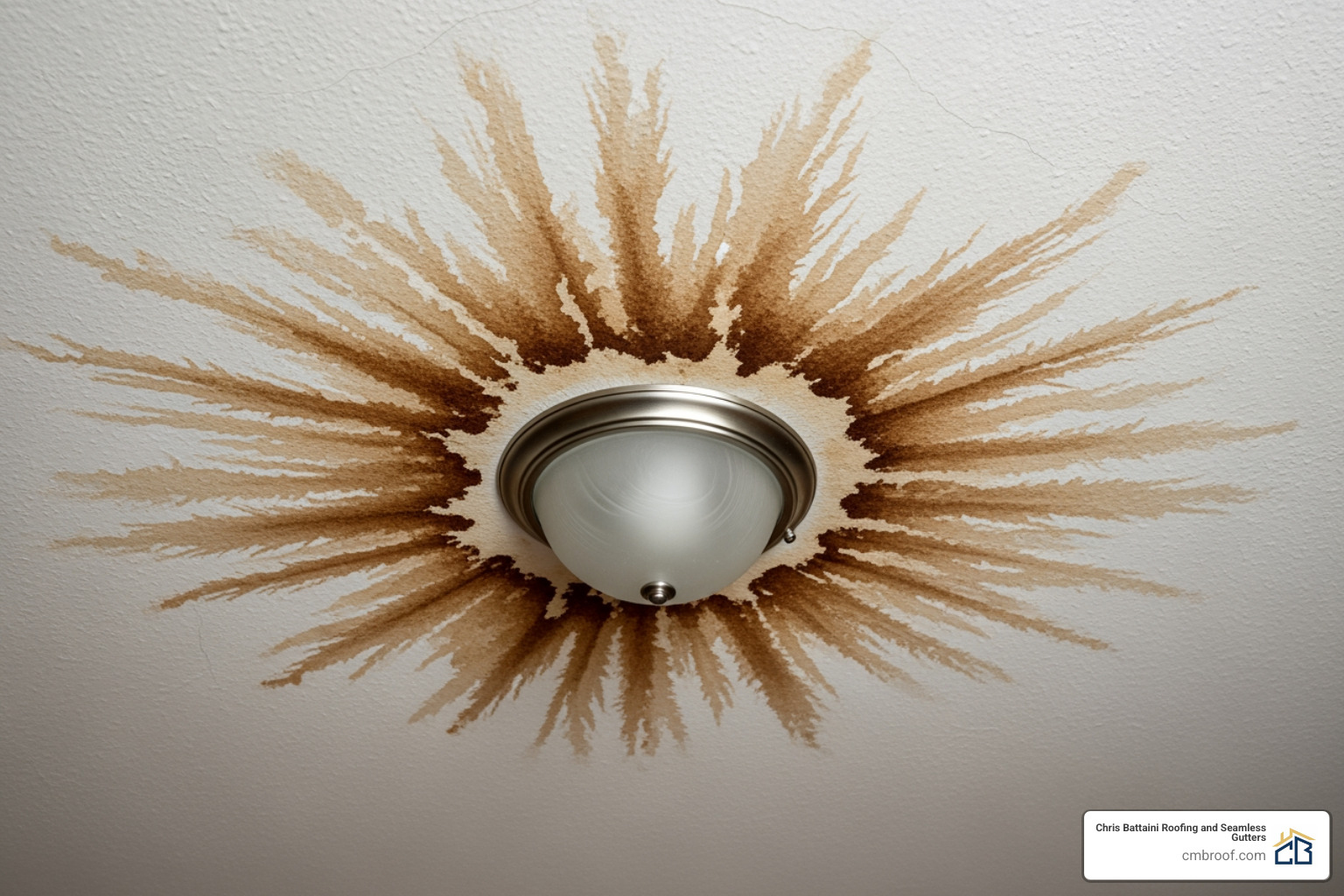
After your initial roof storm damage assessment, detailed documentation is your strongest tool for an insurance claim. You need to build a clear case for your adjuster.
This evidence strengthens your claim. For more guidance, our team offers specialized Roof Insurance Claim Help.
Review your policy before filing a claim to understand your coverage.
Your insurer will send an adjuster. We strongly recommend having a licensed roofing contractor present during this inspection to ensure all damage is identified and you receive fair coverage. In cases of widespread disaster, you can also visit FEMA for disaster recovery resources.
A DIY inspection is a valuable first step, but it has limits. Some damage is impossible to spot from the ground, and getting on a damaged roof yourself is dangerous. Knowing when to call a professional is key to a safe and successful repair.
Don’t hesitate to call a professional if you see any of these red flags:
A professional roof storm damage assessment can uncover hidden issues you might miss. For any significant damage, contact our team of trusted Roof Repair Contractors right away.
After a major storm, be wary of “storm chasers” who knock on doors offering low prices and high-pressure tactics. To protect yourself:
For more tips, see our Licensed Roofers Near Me Guide.
After a professional assessment, you’ll need to decide between repairing or replacing your roof. The right choice depends on your roof’s age, the extent of the damage, and your budget.
| Criteria | Roof Repair | Roof Replacement |
|---|---|---|
| Roof Age | Ideal for newer roofs (less than 10-15 years old) with isolated damage. | Necessary for older roofs (20+ years) or those near the end of their lifespan. |
| Damage Extent | Suitable for localized damage like a few missing shingles or minor punctures. | Required for widespread damage, structural issues, or a compromised underlayment. |
| Cost | Lower upfront cost. | Higher upfront cost, but more cost-effective long-term for old or failing roofs. |
| Long-Term Value | Extends the life of a newer roof. | Improves home value, energy efficiency, and comes with a new warranty. |
| Insurance | May be covered for specific storm-related damage. | Often fully covered if damage is extensive, especially with RCV policies. |
| Matching | Can be difficult to match shingle colors on an older roof. | Ensures a uniform appearance and consistent protection. |
Please note: Homeowners normally spend between $392 – $1,929 on roof repairs, with some costs exceeding $6,000. These are national averages and not a quote from Chris Battaini Roofing and Seamless Gutters.
The best choice depends on your specific situation. Our team provides honest recommendations to help you decide. For more on replacement, see our Complete Roof Replacement Guide 2025.
After repairs, the smartest move is to fortify your roof against future storms. Proactive measures can prevent damage and ensure your roof remains insurable, as many companies deny claims resulting from neglect.
Here are key steps to build a more resilient roof:
These steps work together to create a roof system that stands strong when severe weather arrives. The best roof storm damage assessment is one that finds minimal damage because you were well-prepared.
Many reputable roofing companies, including ours, offer free inspections and estimates for storm damage. This allows us to provide an accurate quote with no upfront cost. More intensive inspections using specialized tools like infrared cameras may have a fee. Please note: Paid inspections can range from $100 to over $600 based on national data, but this is not a quote from Chris Battaini Roofing and Seamless Gutters.
Claims for “Acts of God” like storms generally do not cause an individual’s rates to increase, as the event was outside your control. Insurers see these as catastrophic events affecting a wide area. However, filing multiple claims in a short period could potentially affect your policy. It’s always best to consult your insurance agent about your specific policy.
Most policies have a time limit for filing, often from a few months to a year. It is crucial to act quickly. Once your roof storm damage assessment reveals damage, document it and notify your insurer immediately. Delays can jeopardize your coverage, as an insurer might argue the damage worsened due to inaction.
You’ve inspected your property and documented the damage. Now, you need a trusted partner to guide you through the recovery process. A roof storm damage assessment is the first step, but true peace of mind comes from working with a professional who will see the job through to completion.
At Chris Battaini Roofing and Seamless Gutters, we’ve helped countless homeowners in Berkshire County steer the stress of storm recovery. We understand the uncertainty of dealing with insurance claims and potential roof replacements.
When you work with us, you work directly with owner Chris Battaini on-site, ensuring every detail meets our high standards. We back our work with exceptional workmanship warranties for lasting protection.
If your inspection revealed a leak or other serious damage, don’t wait. Delaying repairs can lead to more extensive water intrusion and complicated insurance claims.
Whether you need an emergency repair, a professional assessment, or help with your insurance claim, we are here to help. Contact us today for professional Roof Leak Repair.
Chris Battaini Roofing and Seamless Gutters proudly services Berkshire, Hampden, Hampshire, and Franklin Counties in Massachusetts.
Need a reliable roofer? CMB Roofing provides licensed, insured, and professional roofing services for homeowners and businesses.
We stand by a simple promise: Clear estimates. Quality workmanship. Clean job sites.
From roof repairs and full replacements to storm damage restoration, our team delivers dependable results with durable materials, expert installation, and complete site cleanup.