-
10 Wendell Ave Extension Pittsfield, MA 01201
-
210 Columbia St., Lee, MA 01238

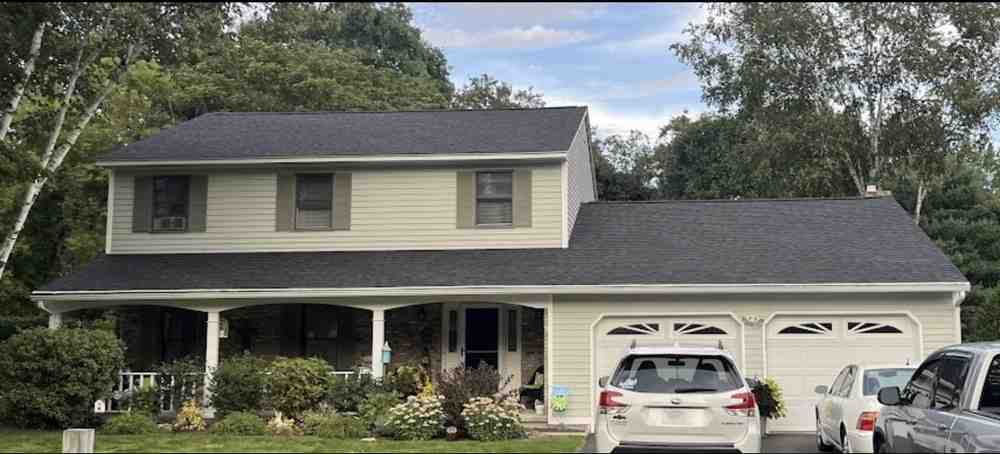
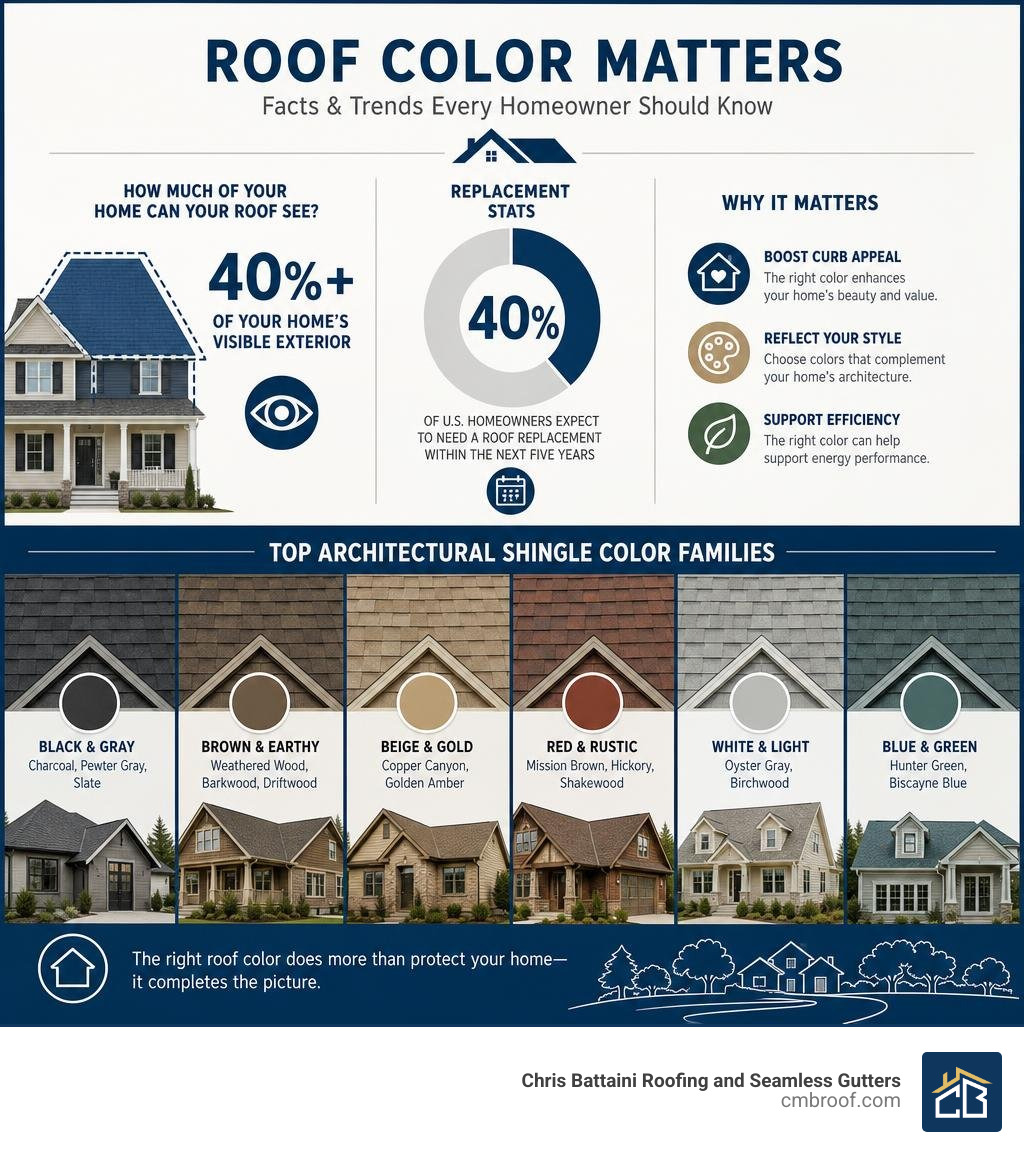
Architectural shingles colors are one of the most important — and most overlooked — decisions in any roof replacement project. Your roof isn’t just protection from the elements. It can make up over 40% of your home’s visible exterior, which means the color you choose shapes how your entire property looks from the street.
Here’s a quick overview of the most common architectural shingle color categories to help you get started:
| Color Family | Common Options | Best For |
|---|---|---|
| Black & Gray | Charcoal, Pewter Gray, Slate | Most home styles; classic and modern |
| Brown & Earthy | Weathered Wood, Barkwood, Driftwood | Colonial, Craftsman, Cape Cod homes |
| Beige & Gold | Copper Canyon, Golden Amber | Brick, tan, or stucco exteriors |
| Red & Rustic | Mission Brown, Hickory, Shakewood | Traditional and farmhouse styles |
| White & Light | Oyster Gray, Birchwood | Coastal, cottage, and modern homes |
| Blue & Green | Hunter Green, Biscayne Blue | Contemporary and nature-inspired homes |
The right color doesn’t just look good — it can boost curb appeal, complement your siding and trim, and even support your home’s energy efficiency. The wrong choice, on the other hand, can clash with your exterior and date your home quickly.
In Pittsfield, Dalton, and across Berkshire County, homeowners are replacing aging roofs every day. In fact, 40% of U.S. homeowners report expecting to need a roof replacement within the next five years. That’s a lot of color decisions to get right.
I’m Christopher Battaini, owner of Chris Battaini Roofing and Seamless Gutters, and with over two decades of hands-on roofing experience across Massachusetts, I’ve helped hundreds of homeowners navigate architectural shingles colors to find the right fit for their home’s style, neighborhood, and climate. This guide covers everything you need to make a confident, informed choice.
Relevant articles related to architectural shingles colors:
Before diving headfirst into color swatches, it helps to understand what makes these shingles special. In the residential roofing world, you will generally choose between traditional 3-tab strip shingles, dimensional (architectural) shingles, and premium luxury designer shingles.
To learn more about how these classes stack up against each other, check out our resource on The Asphalt Shingles Roofing Breakdown: Strip, Dimensional, and Luxury.
Architectural shingles have quickly become the most popular choice for homeowners in North America. They offer a perfect middle ground: the durability and high-end look of premium wood shakes or slate, but at a fraction of the cost. When installed correctly, they offer incredible wind resistance and structural longevity. For a deeper dive into the installation standards that keep these roofs secure, refer to our guide, Nail It Every Time with This Architectural Shingle Guide.
The primary difference between standard 3-tab shingles and architectural shingles lies in their physical construction. 3-tab shingles are flat, single-layered, and cut into three uniform tabs.
Architectural shingles, on the other hand, feature a dual-layer laminated construction. Two layers of asphalt-coated fiberglass are bonded together to create a thicker, heavier shingle. This dual-layer design gives the roof a distinct, three-dimensional look with pronounced shadow lines that mimic natural wood shakes.
Beyond aesthetics, this extra thickness means superior wind resistance, longer warranties, and better overall protection against the heavy snows and wind we experience here in Berkshire County. For a complete look at how these materials perform over time, read our Asphalt Shingle Roofing Complete Guide.
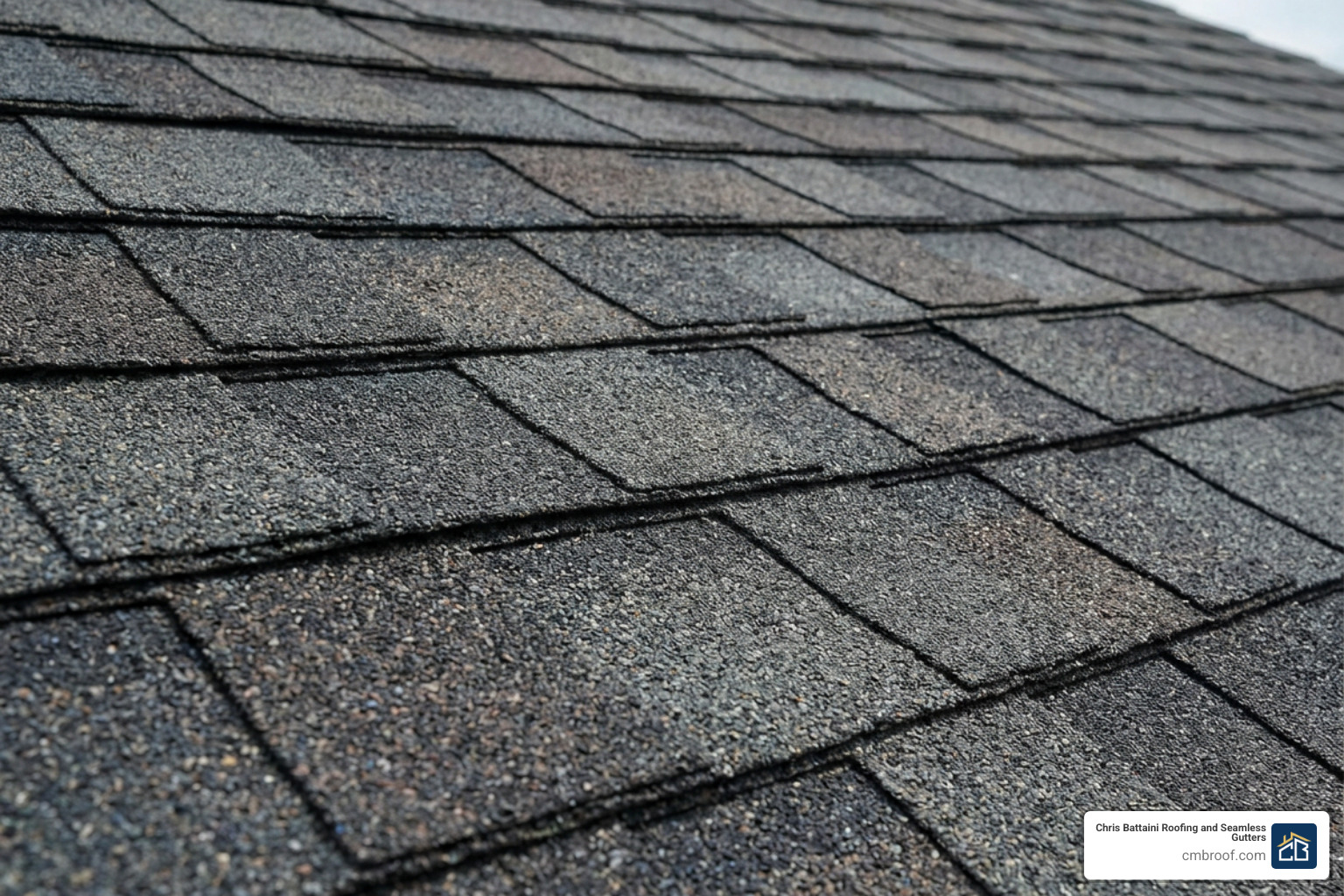
Because architectural shingles are manufactured with multiple overlapping layers, they allow for incredible color variation. Rather than a flat, monochromatic gray or brown, architectural shingles are made with multi-toned ceramic granules.
These color blends create natural-looking highlights and lowlights. When the sun moves across your roof throughout the day, these variations interact with the shadows to give your home a dynamic, textured appearance.
Choosing a color blend that accentuates these shadow lines can transform a plain exterior into the best-looking house on the block. To see how top manufacturers categorize these visual palettes, you can explore GAF’s Guide to Roof Shingle Colors .
Choosing a roof color isn’t just about picking your favorite shade; it’s about establishing visual harmony. A roof should never compete with your siding, brick, or stone for attention. Instead, it should act as the anchor that ties your home’s entire color palette together.
For a comprehensive look at planning your exterior design, consult our Residential Asphalt Shingle Roofing Guide.
A great rule of thumb when coordinating your roof with your home’s exterior is to match warm tones with warm tones, and cool tones with cool tones.
If your siding has a lot of texture or color variation (such as multi-colored brick or stone veneer), choose a more uniform, solid shingle color to prevent your exterior from looking too busy. Conversely, if your siding is a flat, solid color, a highly variegated shingle blend will add much-needed texture and visual interest.
While manufacturers offer dozens of color blends, a few classic palettes continue to lead the industry in popularity:
To see what colors are currently dominating the local market, check out the Most Popular Shingle Colors in Massachusetts in 2025 . Additionally, you can browse through classic, time-tested color collections in the ARCHITECTURAL ASPHALT SHINGLES design catalog.
Here in Western Massachusetts, our roofs have to work hard. From heavy winter snowloads in Pittsfield, MA to hot, humid summer days in Lanesborough, MA, our climate demands materials that perform as well as they look.
When choosing your shingle color, you must balance local aesthetic trends with practical climate considerations. If you live in the central Berkshires, check out our localized insights on Asphalt Shingle Roofing in Pittsfield MA.
Many modern architectural shingles are engineered with “cool roof” technology. These shingles contain specialized, highly reflective granules that bounce solar energy back into the atmosphere rather than absorbing it into your attic.
Historically, cool roofs were only available in white or very light gray. Today, advanced engineering allows manufacturers to offer deep, rich colors—like dark grays and warm browns—that still meet strict solar reflectance standards.
Using cool shingles can significantly lower your summer cooling costs. If energy efficiency is a priority for your home, look into options like the Cambridge Cool Colors Plus – IKO North America line, which offers beautiful architectural depth alongside high-performance thermal properties. To understand how these systems work to keep homes comfortable, you can read the industry breakdown on COOL ROOFS .
A beautiful roof color won’t mean much if it becomes stained or damaged after a few seasons. When selecting your shingles, look for these key performance upgrades:
To learn more about matching performance features with your design goals, take a look at our Complete Asphalt Shingle Replacement Guide.
When planning a roof replacement, budget is always a key consideration. The cost of your project will depend heavily on the size and pitch of your roof, the specific shingle brand, and any performance upgrades you select (such as Class 4 impact resistance or advanced algae protection).
Please note: All prices mentioned below are average costs sourced from publicly available internet data and are not the actual prices of Chris Battaini Roofing and Seamless Gutters. To account for industry variability, material fluctuations, and unique property conditions, we have provided a wide pricing range reflecting general online data.
| Roof Size (Square Footage) | Low-End Average Estimate (Sourced from Public Data) | High-End Average Estimate (Sourced from Public Data) |
|---|---|---|
| 1,500 sq. ft. | $16,000 | $40,000 |
| 2,000 sq. ft. | $21,000 | $53,000 |
| 2,500 sq. ft. | $26,000 | $65,000 |
| 3,000 sq. ft. | $32,000 | $80,000 |
For a detailed breakdown of the variables that impact these numbers, read our guide on Architectural Shingle Roof Cost. Because every home is different, we highly recommend avoiding DIY estimation or installation. Roofing is a highly technical trade; securing a professional, on-site evaluation is the only way to ensure an accurate quote and a roof that lasts.
Choosing a roof color can feel overwhelming. Here are answers to some of the most common questions we hear from homeowners in Berkshire County.
The best way to start is by using digital visualization tools. Most major manufacturers offer free online visualizers where you can upload a photo of your actual home and “try on” different shingle colors and styles.
However, computer screens can represent colors differently. Once you narrow down your choices online, always ask your roofing contractor for physical sample boards. Hold these samples up against your siding in natural sunlight at different times of the day—morning light, direct midday sun, and evening shade—to see how the colors truly interact with your home’s exterior.
While it is true that dark colors absorb more heat than light colors, a properly designed roofing system minimizes this impact. The temperature of your living space is determined far more by your attic insulation and ventilation than by the color of your shingles.
As long as your roof has balanced intake vents (at the soffits) and exhaust vents (at the ridge) to continuously flush out hot air, a dark charcoal or black roof will not make your home noticeably hotter in the summer.
Generally, yes. If you plan to sell your home in the near future, it is usually best to stick with highly popular, neutral colors like Weathered Wood, Charcoal, or Slate Gray. These colors appeal to the widest pool of potential buyers.
A highly unusual color—like bright red or hunter green—might look fantastic on a specific style of home, but it can turn off buyers who prefer a more traditional look.
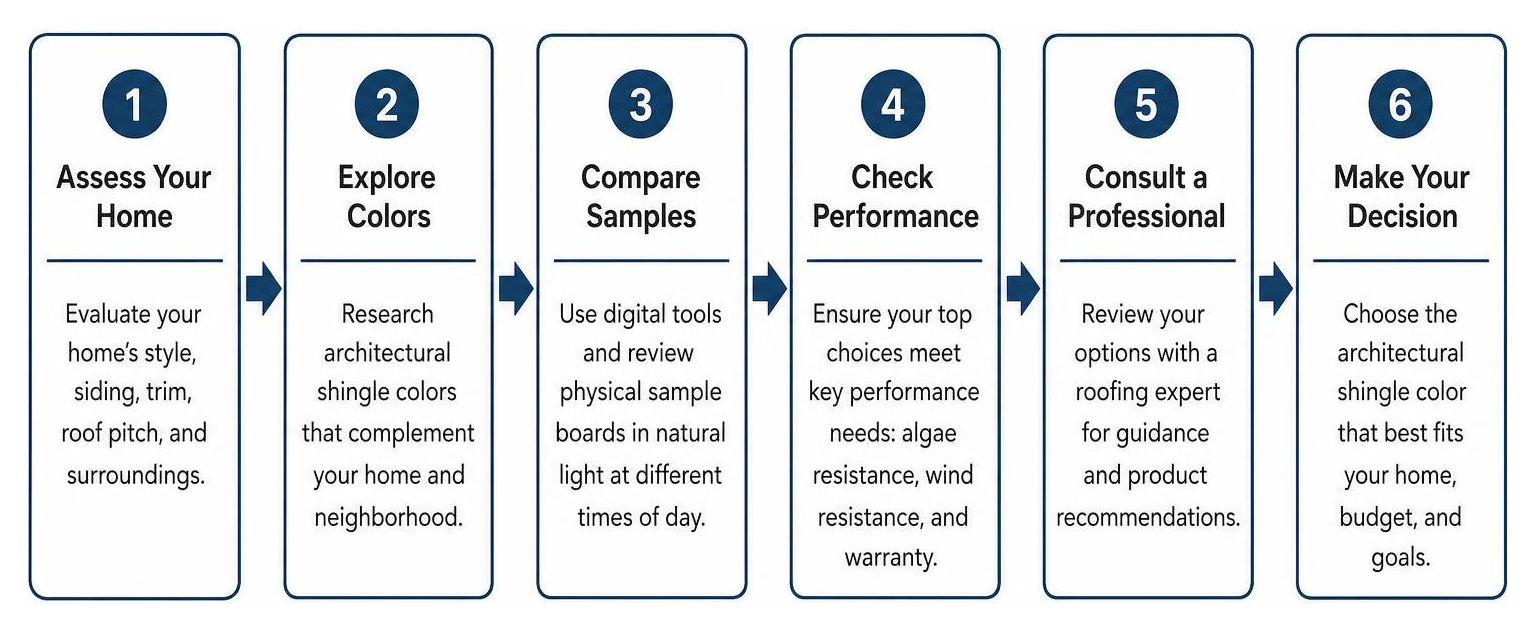
Choosing the right architectural shingles colors is a powerful way to protect your home while maximizing its curb appeal and value. By coordinating with your siding, considering the local climate, and choosing high-performance features like algae and wind resistance, you can secure a roof that looks beautiful and performs flawlessly for decades.
At Chris Battaini Roofing and Seamless Gutters, we serve homeowners throughout Berkshire County, Massachusetts, including Pittsfield, Dalton, Lenox, Lee, Lanesborough, and Great Barrington. We pride ourselves on our owner-led, on-site service, ensuring Christopher Battaini is personally involved in your project from start to finish. Combined with our exceptional workmanship warranties, you can rest easy knowing your investment is in expert hands.
Ready to find the perfect color for your home’s new roof? Explore our Asphalt Shingle Roofing Services to learn more about our materials and process.

Contact us today at +413-441-4840 or visit our Contact Us Page to request a professional, on-site consultation and estimate!
Need a reliable roofer? CMB Roofing provides licensed, insured, and professional roofing services for homeowners and businesses.
We stand by a simple promise: Clear estimates. Quality workmanship. Clean job sites.
From roof repairs and full replacements to storm damage restoration, our team delivers dependable results with durable materials, expert installation, and complete site cleanup.