Asphalt Shingle Roofing: Ultimate Guide 2025
Why Asphalt Shingle Roofing Dominates North American Homes
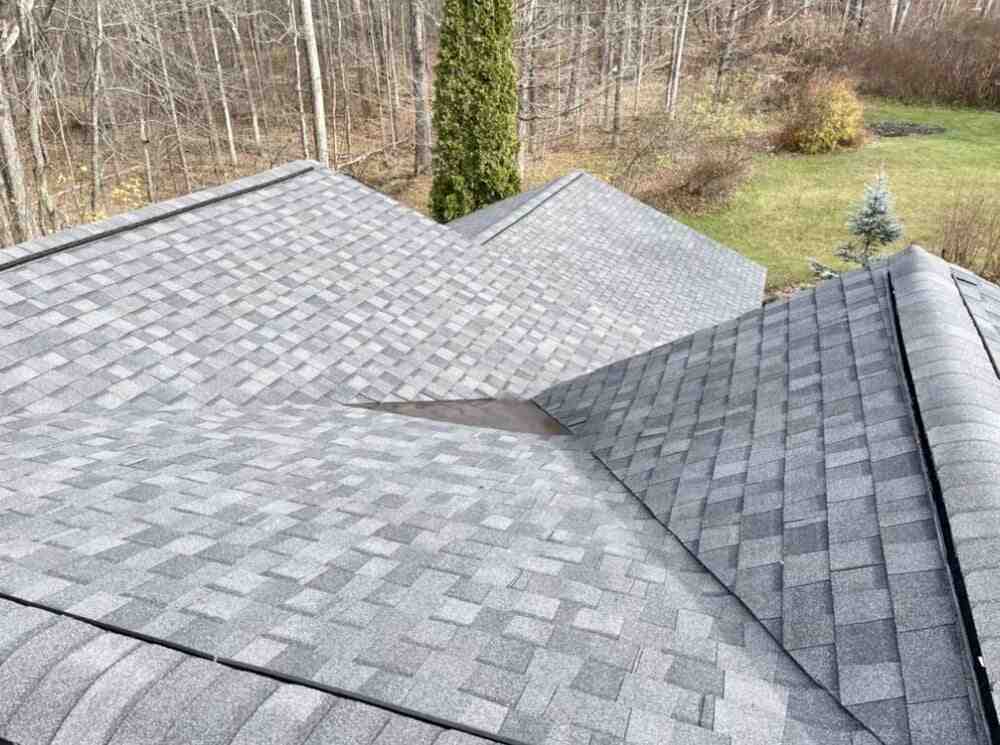
Asphalt Shingle Roofing is the most popular choice in North America, covering over 75% of all residential roofs. Homeowners in Berkshire County, Massachusetts, and beyond choose asphalt shingles for their unbeatable combination of value, durability, and style.
What is an Asphalt Shingle?
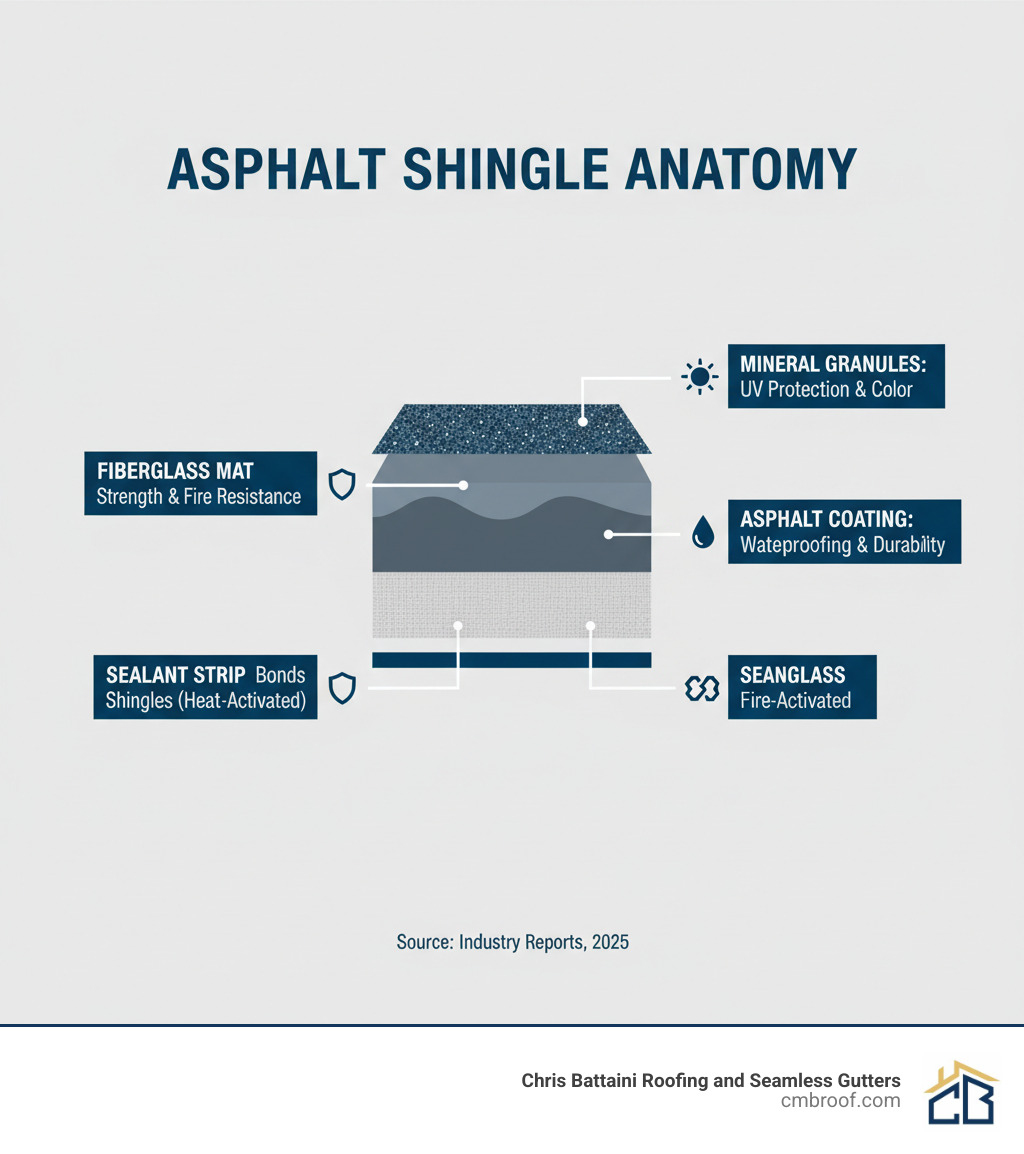
Asphalt shingles are a composite roofing material made of several layers:
- Fiberglass Mat: A base layer providing strength and fire resistance.
- Asphalt Coating: The primary waterproofing agent.
- Mineral Granules: Offer UV protection and color.
- Sealant Strip: An adhesive that bonds shingles together to resist wind.
Key Advantages:
- Affordable: Lower upfront cost than metal, slate, or tile.
- Versatile: Available in a wide range of colors and styles.
- Easy to Install: Faster installation means lower labor costs.
- Durable: Lifespans range from 15 to 50+ years.
- Easy to Repair: Individual shingles can be replaced easily.
Modern asphalt shingles have evolved to include features like algae resistance, impact protection, and energy-efficient cool roof technology. This guide covers everything from shingle types and performance ratings to installation and maintenance, helping you make an informed decision for your home.
Understanding Asphalt Shingle Types and Composition
Asphalt shingle roofing is an engineered system where each layer serves a specific purpose to protect your home.
Shingle Components: The Anatomy of Protection
An asphalt shingle is a multi-layered product designed for durability and water resistance.
- Fiberglass Mat: The shingle’s core, providing structural integrity, fire resistance, and stability. It won’t rot or absorb water.
- Asphalt Layer: A thick, waterproof coating applied to the fiberglass mat. The quality of the asphalt is key to the shingle’s longevity and weather resistance.
- Mineral Granules: These ceramic-coated particles on the surface shield the asphalt from UV rays, provide color, and can be infused with copper to resist algae or designed to reflect heat.
- Sealant Strip: A heat-activated adhesive that bonds the shingles together on the roof, creating a unified, wind-resistant surface.
For more details on how these components work together, see our Residential Asphalt Shingle Roofing Guide.
The Core: Fiberglass vs. Organic Shingles
While you might see both on older homes, modern roofing almost exclusively uses one type.
- Fiberglass Shingles: The current industry standard. They are built on a fiberglass mat, making them lightweight, more fire-resistant (typically Class A), and less prone to curling or warping.
- Organic Shingles: An older technology using a paper-based mat saturated in asphalt. They are heavier and more susceptible to moisture absorption. Most manufacturers have discontinued them.
Categories of Asphalt Shingles
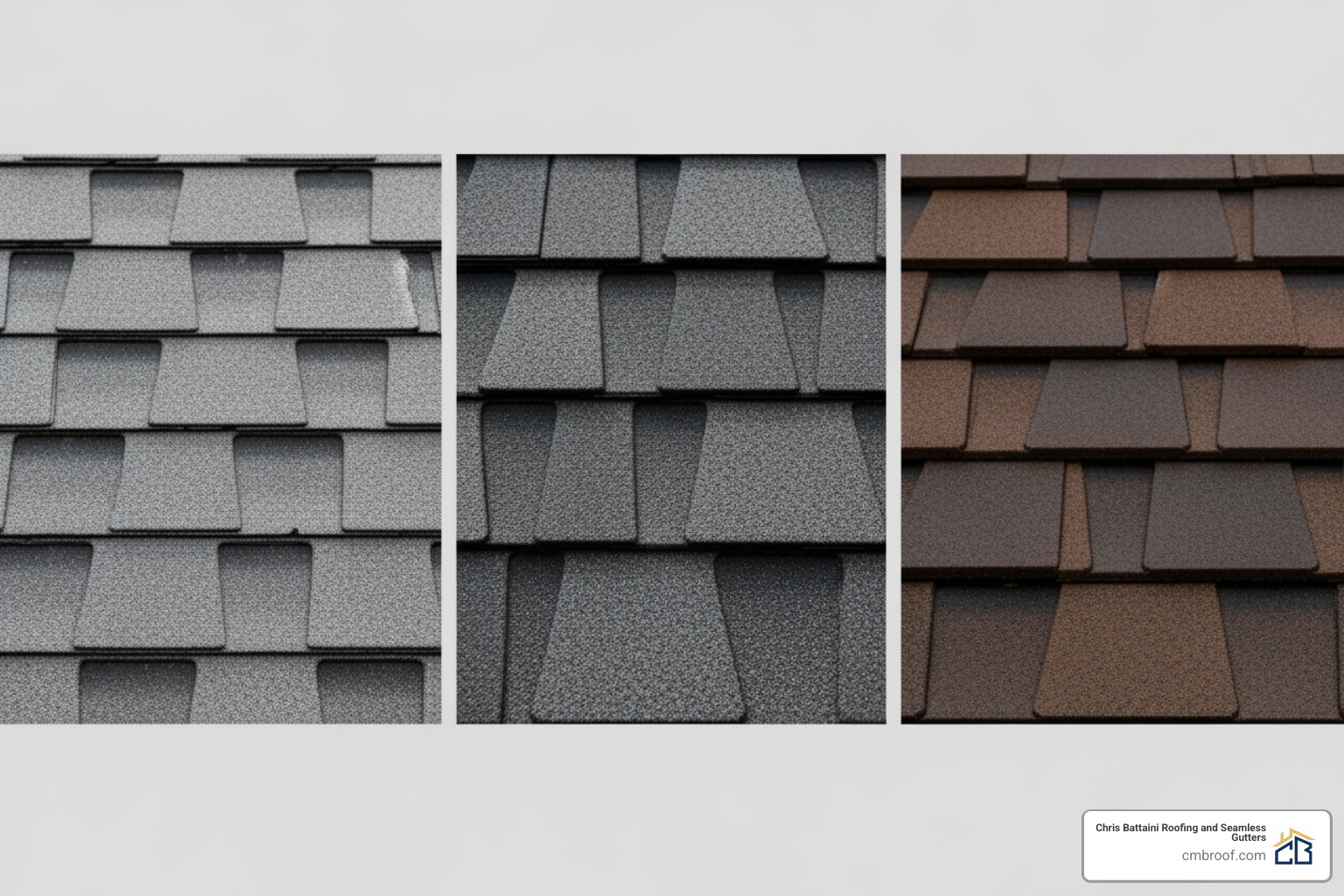
Asphalt shingles come in three main categories, offering different levels of aesthetics, durability, and cost.
| Shingle Type |
Cost (Avg. per sq. ft.)* |
Lifespan |
Appearance |
Warranty |
| Traditional (3-Tab) |
$2.50 – $4.50 |
15-20 years |
Flat, uniform, classic three-tab pattern |
20-25 years |
| Architectural (Dimensional) |
$3.50 – $6.50 |
25-30 years |
Textured, multi-dimensional, mimics wood |
30-50 years or Lifetime |
| Luxury (Premium) |
$6.00 – $12.00+ |
30-50+ years |
Highly dimensional, mimics slate/wood shake |
Lifetime |
Note: Any prices mentioned are national averages and not a quote from Chris Battaini Roofing and Seamless Gutters. Costs can range widely from average to 3x higher based on project specifics.
Traditional 3-tab shingles are the most basic and economical option. They are single-layer shingles with a flat, uniform appearance. Best for budget-focused projects, they typically last 15-20 years.
Architectural shingles (or dimensional shingles) are the most popular choice today. They feature a thicker, multi-layered construction that creates a textured, dimensional look, often mimicking wood shake. They offer a great balance of price and performance, lasting 25-30 years with warranties up to a lifetime. To understand what you might invest, see our Asphalt Shingle Roof Cost Guide.
Luxury or premium shingles are the top-tier option. These are the thickest and heaviest shingles, designed to replicate the appearance of natural slate or hand-split wood shakes. They offer maximum durability and curb appeal, with a lifespan of 30-50+ years.
The lifespan of asphalt shingles ranges from 15 to 50+ years, but several factors determine how long your roof will actually last. The highest-quality shingles won’t perform well without proper care and conditions.
Key factors influencing durability include:
- Climate: New England’s freeze-thaw cycles, heavy snow, and high winds are tough on any roof.
- Installation Quality: Proper installation is critical for longevity. This is why we emphasize owner-led, on-site service to ensure every detail is correct.
- Attic Ventilation: Adequate airflow prevents heat and moisture buildup, which can prematurely age shingles from below.
- Maintenance: Regular inspections and gutter cleaning can add years to your roof’s life.
For more on how shingle types affect longevity, see our complete Residential Asphalt Shingle Roofing Guide.
Modern shingles are rated for specific performance characteristics to help you understand the protection you’re getting.
- Wind Resistance: Standard shingles are rated for winds over 100 km/h (60 mph), while high-performance shingles can withstand winds up to 220 km/h (130 mph). Ratings are determined by tests like ASTM D3161 and ASTM D7158. The National Roofing Contractors Association offers more resources on material standards.
- Impact Resistance: This rating measures a shingle’s ability to withstand hail. The UL 2218 standard classifies shingles from Class 1 to Class 4, with Class 4 offering the highest protection. Many insurance companies offer discounts for Class 4 shingles.
- Fire Resistance: Shingles are rated Class A, B, or C, with Class A providing the best protection against external fires. Most modern fiberglass shingles achieve a Class A rating as part of a complete roofing system that includes the underlayment and deck protection.
Specialty Shingles for Improved Protection
Specialty shingles offer improved performance for specific challenges.
- Algae-Resistant (AR) Shingles: These contain copper-infused granules that prevent the growth of the blue-green algae that causes unsightly black streaks on roofs. This is a popular choice for humid climates like ours in Massachusetts.
- Cool Roof Shingles: Featuring solar-reflecting granules, these shingles reduce heat absorption, lowering attic temperatures and potentially cutting air conditioning costs.
- SBS Polymer Modified Shingles: Asphalt is modified with rubber-like polymers (Styrene-Butadiene-Styrene) to improve flexibility, impact resistance, and all-weather durability. They are exceptionally tough and remain pliable even in cold weather.
The Complete Roofing System and Installation Process
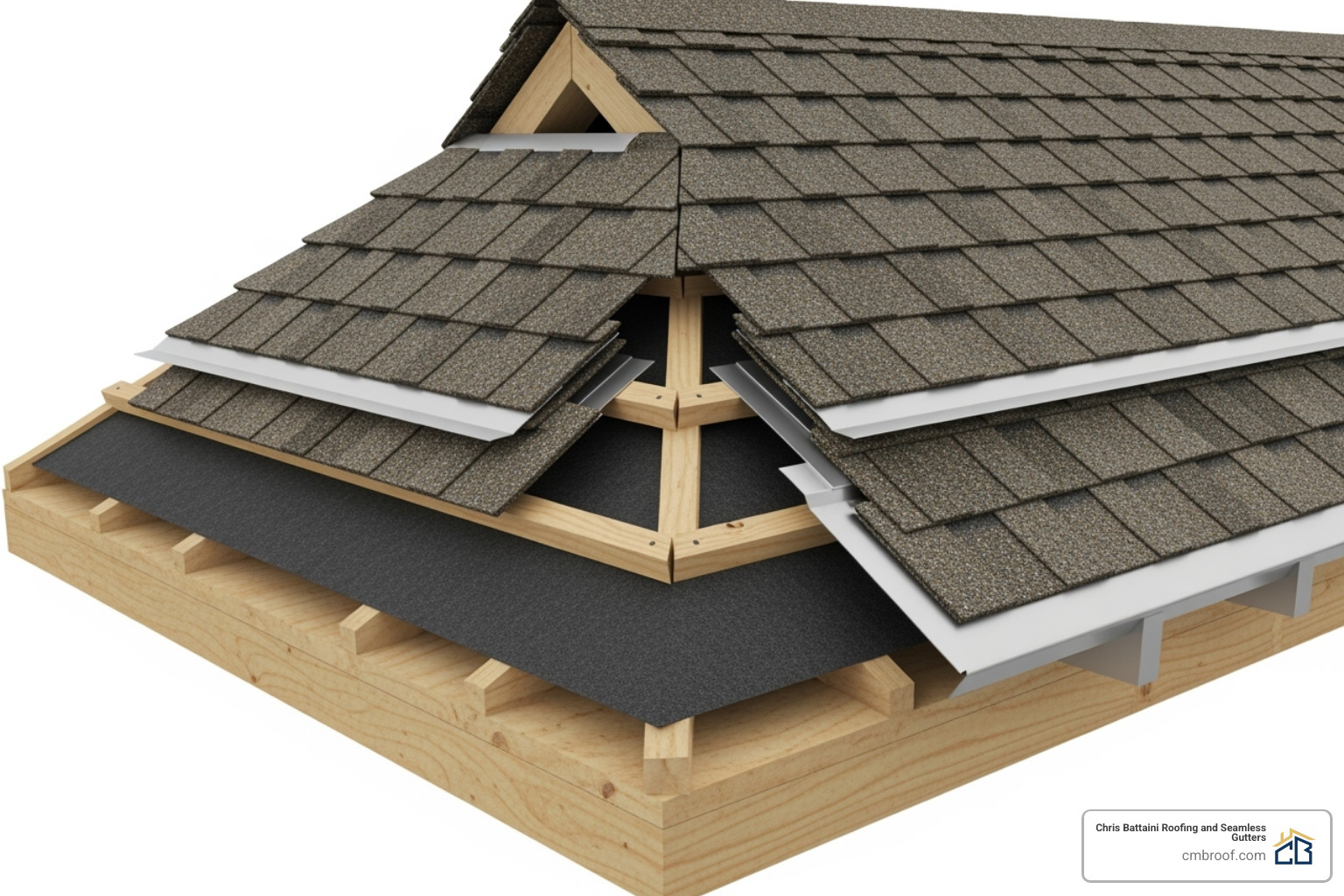
A durable asphalt shingle roofing system is more than just the shingles you see. It’s an integrated set of components that work together to protect your home.
System Components: More Than Just Shingles
Each part of the roofing system plays a vital role:
- Roof Deck: The structural foundation, typically plywood or OSB, that supports the entire system.
- Underlayment: A water-resistant layer (felt or synthetic) over the deck that acts as a secondary moisture barrier.
- Ice and Water Shield: A self-adhering membrane applied at eaves, valleys, and around penetrations to protect against ice dams and wind-driven rain. It’s critical in climates like Berkshire County’s.
- Starter Strips: Placed at the roof edges to provide a secure seal for the first course of shingles and prevent wind uplift.
- Field Shingles: The main shingles covering the majority of the roof.
- Hip and Ridge Caps: Specialized shingles used to cover and protect the hips and ridges of the roof.
- Ventilation System: A balanced system of intake (soffit) and exhaust (ridge) vents that regulates attic temperature and moisture, extending shingle life.
- Flashing and Drip Edge: Metal components that direct water away from vulnerable areas like chimneys, vents, and roof edges.
To see how we build complete roofing systems, explore our Roofing and Guttering Services.
Key Installation Details for Asphalt Shingle Roofing
Even the best materials will fail if not installed correctly. Proper installation is everything for the performance and longevity of asphalt shingle roofing.
- Proper Nailing: This is crucial. Most shingles require four nails, while six are used in high-wind areas. Nails must be driven flush with the shingle surface—not overdriven or underdriven—and penetrate the roof deck. Nails are always superior to staples.
- Roof Slope: Asphalt shingles are suitable for roof slopes of 2:12 or greater. Low-slope roofs (between 2:12 and 4:12) require special underlayment techniques. Shingles should never be used on slopes below 2:12.
- Weather Conditions: Installation is best between 40°F and 80°F. In this range, the shingle sealant activates properly without the shingles becoming too brittle (in cold) or too soft (in heat).
- Hiring a Professional: A qualified contractor understands manufacturer specifications and local codes, ensuring your roof performs for decades and your warranty remains valid. Our owner-led, on-site service guarantees this level of expertise. For help finding a reputable contractor, see our Licensed Roofers Near Me Guide.
Maintenance, Repair, and Replacement
Even durable asphalt shingle roofing requires regular care to maximize its lifespan. Proactive maintenance helps you avoid costly, premature replacements.
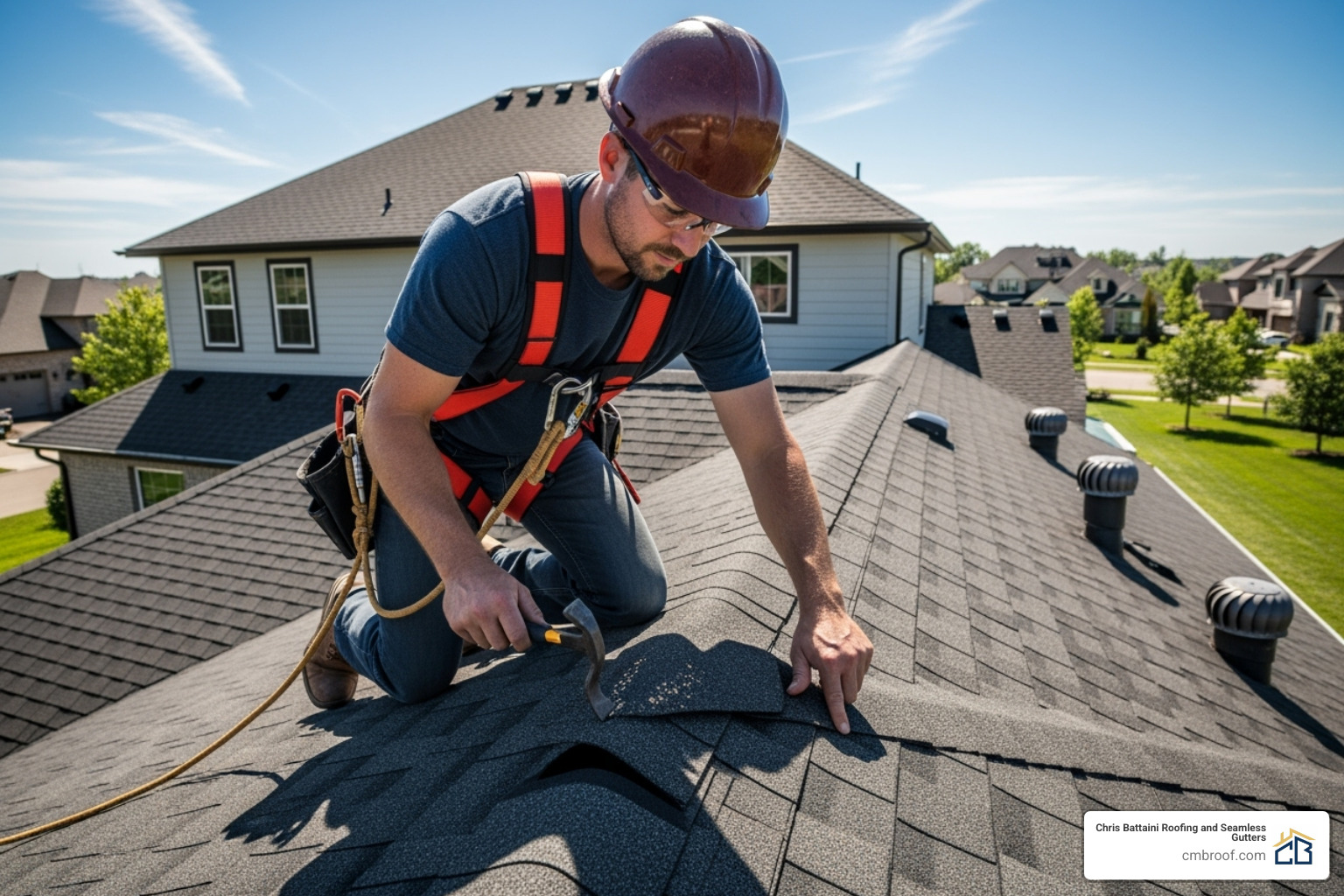
Routine Maintenance
Simple, consistent tasks can add years to your roof’s life:
- Professional Inspections: Schedule Roof Inspections once or twice a year (spring and fall) to catch minor issues like cracked shingles or damaged flashing before they worsen.
- Gutter Cleaning: Clogged gutters cause water to back up under shingles, leading to rot and ice dams. Keep them clean and free-flowing.
- Debris Removal: Remove leaves and branches from the roof surface, especially in valleys, as they trap moisture and accelerate wear.
- Flashing Checks: Visually inspect the metal flashing around chimneys, vents, and skylights, as these are common leak points.
Common Repairs
One of the benefits of asphalt shingles is that they are often easy to repair.
- Replacing Damaged Shingles: A single cracked, curled, or missing shingle can usually be replaced without disturbing the rest of the roof.
- Fixing Leaks: Most leaks occur around penetrations due to failed flashing. Repairing or replacing the flashing is a common and effective fix.
- Granule Loss: While some granule loss is normal over time, bare patches indicate the shingles are nearing the end of their life and losing UV protection. If you see significant loss, it’s time for a professional assessment. Get help with Asphalt Shingle Roof Repair.
Planning for a Roof Replacement
When it’s time for a new roof, proper planning is key.
- Estimating Materials: Roofers measure in “squares” (100 sq. ft.). Calculate your roof’s area, divide by 100, and add 10-15% for waste, depending on roof complexity.
- Understanding Cost Factors: Total cost is influenced by shingle type, roof complexity (slope, valleys), labor rates, and whether the old roof needs to be torn off. Note: Any prices mentioned are national averages and not quotes from Chris Battaini Roofing and Seamless Gutters. Actual costs can range widely from average to 3x higher based on your specific project. For a detailed breakdown, see our Asphalt Shingle Replacement Cost guide.
- Environmental Considerations: Ask your contractor about asphalt shingle recycling. Old shingles can often be repurposed for road paving instead of going to a landfill.
When it’s time for maintenance, repairs, or a complete replacement, choosing a contractor who understands the importance of quality workmanship and proper techniques makes all the difference. At Chris Battaini Roofing and Seamless Gutters, our owner-led, on-site approach ensures every detail receives the attention it deserves. Follow us on Facebook to see our latest projects and get helpful roofing tips.
Frequently Asked Questions about Asphalt Shingles
Here are straightforward answers to the most common questions we hear about asphalt shingle roofing.
How long does an asphalt shingle roof last?
Lifespan depends on the shingle type and other factors. As a general guide:
- 3-tab shingles: 15-20 years.
- Architectural shingles: 25-30 years.
- Luxury shingles: 30-50+ years.
Actual longevity is also heavily influenced by local climate, installation quality, attic ventilation, and regular maintenance. A well-installed and maintained roof can often outlast its warranty.
Can you install new asphalt shingles over an old layer?
While some building codes allow one “roof-over,” we almost always recommend a complete tear-off. Installing over an old layer prevents a thorough inspection of the roof deck for rot or damage, can result in a lumpy appearance, and may void the new shingles’ manufacturer warranty. A full tear-off ensures a sound, flat foundation for a new, complete roofing system and is the best practice for long-term performance. Learn more in our Complete Roof Replacement Guide.
What are the dark streaks on my roof?
Those dark streaks are a type of blue-green algae called Gloeocapsa magma, which is common in humid climates. While primarily a cosmetic issue, it can be addressed in two ways:
- Cleaning: A professional can clean the roof with specialized solutions, but this must be done carefully to avoid damaging the shingles.
- Prevention: The best long-term solution is to install algae-resistant (AR) shingles. These contain copper granules that naturally inhibit algae growth, keeping your roof looking clean for years.
Conclusion: Your Partner for a Lasting Roofing Solution
With its excellent balance of affordability, durability, and aesthetic versatility, asphalt shingle roofing is the leading choice for homeowners. Modern shingles offer advanced features like high wind and impact resistance, algae-fighting technology, and energy-saving cool roof options, making them a smart and reliable investment.
However, the best materials are only as good as their installation. A complete roofing system—from the deck and underlayment to the flashing and ventilation—must be installed with precision to ensure long-term protection.
At Chris Battaini Roofing and Seamless Gutters, we believe quality installation is paramount. Our owner-led, on-site service means Chris Battaini personally oversees your project, ensuring every detail meets our exacting standards. We stand behind our work with exceptional workmanship warranties because we build roofs designed to last for decades, not just for the warranty period.
Your roof is a critical investment. Trust it to craftspeople who care. Ready to protect your home with a roof built to last? Contact us about our Asphalt Shingle Roofing services to schedule a consultation.
Chris Battaini Roofing and Seamless Gutters proudly services Berkshire, Hampden, Hampshire, and Franklin Counties in Massachusetts. Follow us on Facebook for our latest projects and tips!