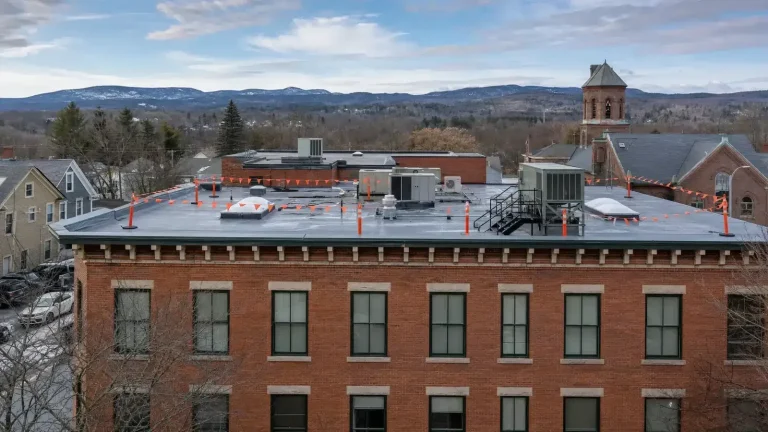



Don’t Drown Indoors: Quick and Permanent Roofing Leakage Solutions

When Your Ceiling Drips: What Every Massachusetts Property Owner Needs to Know
Finding a roofing leakage solution fast can mean the difference between a minor repair and significant structural damage. Here is a quick overview of the professional path forward:
Quick Answer: Roofing Leakage Solutions at a Glance
| Situation | Best Immediate Action |
|---|---|
| Active indoor drip | Catch water, protect contents, relieve ceiling pressure if safe |
| Visible roof damage | Request emergency roof protection from a qualified contractor |
| Minor flashing gap | Use only short-term containment until professional repair is completed |
| Structural or widespread damage | Call a licensed roofing contractor immediately |
| Recurring or hidden leak | Schedule a professional inspection and permanent exterior repair |
Water is patient. A damp spot on your ceiling after a hard rain in Pittsfield MA or Lenox MA can quietly rot your roof deck, feed mold growth, and compromise your building’s structure — all before you notice anything serious indoors. In fact, water damage repair costs can jump 50 to 100 percent if a leak goes unaddressed for more than 48 hours.
The priority is rapid containment followed by a permanent exterior repair. Whether the property is residential or commercial, acting quickly limits secondary damage while a licensed roofing professional identifies the source and restores the roof system correctly.
I’m Christopher Battaini, owner of Chris Battaini Roofing and Seamless Gutters, and with over two decades of hands-on experience delivering roofing leakage solutions across Berkshire County, Massachusetts, I’ve seen how fast a small leak becomes a costly structural issue when left alone. In this guide, I’ll walk you through what to do — from the moment you spot the drip to getting a permanent fix in place. For urgent service, call +413-441-4840.
Identifying the Culprits: Common Causes of Roof Leaks
Before we can implement a permanent roofing leakage solution, we must understand why the failure occurred in the first place. Roofs in Western Massachusetts undergo intense seasonal stress. From heavy winter snowpacks to humid summer storms, our local climate puts roofing materials to the ultimate test.
A leaking roof is rarely the result of a single random event. Instead, it is usually the culmination of gradual wear and tear, severe weather, or structural aging. When we perform inspections in Dalton MA and Lanesborough MA, we often find that leaks trace back to a few common culprits. Understanding these causes helps property owners recognize warning signs before water breaches the building envelope. To dive deeper into how various types of wear manifest on your property, you can read The Roof Whisperer: Decoding and Repairing Common Roof Damage.
Vulnerable Roof Components Prone to Failure
Several critical areas of your roof system are highly susceptible to water intrusion:
- Damaged Flashing: Flashing is the thin metal barrier installed over joints and intersections, such as around chimneys, dormers, and valleys. Over time, temperature fluctuations cause the metal to expand and contract, loosening the seals and allowing water to slip underneath.
- Cracked Vent Boots: Plumbing vents that exit through your roof are sealed with rubber or plastic collars called vent boots. These boots endure constant UV exposure, causing the rubber to rot, crack, and split within 8 to 15 years.
- Clogged Gutters: When gutters are choked with leaves and debris, rainwater cannot drain properly. The water backs up under the edge of your shingles, rotting the fascia boards and leaking down the interior walls.
- Ice Dams: In the freezing winter months, heat escaping from your attic melts snow on the upper parts of the roof. The runoff flows down to the cold eaves, where it refreezes into a ridge of ice. This ice dam traps subsequent meltwater, forcing it under the shingles and directly into your property.
- Skylight Seal Failures: While skylights bring natural light into buildings in Pittsfield MA, their perimeter seals can degrade over time. Cracked caulking or compromised flashing around skylights is a very common source of sudden leaks.
- Roof Valleys: The valleys where two roof slopes meet carry a massive volume of runoff. If these valleys are closed or poorly sealed, water can easily pool and find a way through the underlayment.
Professional Leak Detection vs. Risky Hose Tests
Locating the exact entry point of a leak can be incredibly tricky because water rarely travels in a straight line. Once water penetrates the outer shingles, it flows along rafters, insulation barriers, and horizontal ceiling joists before finally dripping onto your drywall.
Some property owners consider a basic “hose test”—having one person spray the roof while another watches the attic with a flashlight. However, this method has severe limitations. Spraying water indiscriminately can saturate dry areas, worsen existing insulation damage, and fail to mimic the wind-driven pressure of a real storm. More importantly, climbing onto a wet, slippery roof presents extreme safety hazards.
Professional leak detection relies on a systematic attic and exterior inspection. We look for water stains, dark or soft wood sheathing, and trace the path of dampness uphill to the highest point of moisture. By combining physical component testing with an understanding of how wind and gravity direct water, we can pinpoint the true source of the leak without putting anyone in danger.
Emergency Action: Immediate Steps When a Leak Occurs
When water starts dripping through your ceiling, you cannot afford to wait. Immediate mitigation is essential to protect the building structure, interiors, and equipment.
If your roof has suffered sudden damage during a storm, taking swift action is the best way to prevent secondary water damage. You can learn more about how we handle these high-pressure situations by reviewing our guide on Emergency Storm Damage Repair.
Interior Triage and Safety Protocols
If you discover an active leak inside your property, follow these critical safety steps immediately:
- Protect Contents: Move furniture, electronics, inventory, documents, and valuables away from the dripping water. Cover larger items with plastic sheeting.
- Catch the Water: Place buckets, plastic bins, or pots under the drip. Lay down old towels around the containers to absorb any splashing.
- Relieve Ceiling Pressure Only If Safe: If you notice a bulge or sag in your drywall ceiling, water is pooling behind it. If the area is away from electrical fixtures and safe to access, carefully create a small drain point in the center of the bulge so water can release into a container. If there is any uncertainty, wait for professional assistance.
- Turn Off Nearby Electricity: If water is dripping near light fixtures, wall outlets, or electrical panels, shut off the power to those zones at your main breaker box immediately.
- Prevent Mold Growth: Mold can establish itself on damp drywall and insulation within 24 to 48 hours. Run fans and dehumidifiers only where electrical conditions are safe, and arrange professional drying or remediation when needed.
High-Level Temporary Roofing Leakage Solution Methods
Once the interior is stable, the safest next step is to contact a qualified roofing contractor. Do not climb onto a wet, icy, steep, or storm-damaged roof.
For temporary external protection, a heavy-duty plastic tarp may be secured over the damaged section of the roof by a trained professional. The tarp should extend over the ridge of the roof to prevent water from running underneath it, and it must be weighted down or secured with wooden batten strips.
If there is a minor gap in flashing or a split vent boot during dry conditions, an emergency sealant may offer short-term relief when applied safely and correctly. Products like Henry 209 Extreme Wet Patch Roof Leak Repair: Ultimate Leak Protection in All Conditions are designed to adhere to wet surfaces and stop active leaks in severe weather.
However, temporary patches are strictly short-term containment. They do not repair the underlying structural damage or the compromised wood deck. If you are dealing with an asphalt shingle roof, you can read about the proper steps involved in a durable repair in our detailed overview of Asphalt Shingle Roof Leak Repair.
The Professional Roofing Leakage Solution: Permanent Repairs
While temporary fixes keep the water out for a few days or weeks, a permanent roofing leakage solution requires professional expertise, specialized materials, and a thorough understanding of roof construction.
To ensure your property remains safe and dry for years to come, we focus on delivering comprehensive, long-term solutions. Explore our full suite of professional options on our Residential Roof Repair Service page.
Why Interior Fixes Fail and When to Call a Professional
Property owners sometimes ask whether a roof leak can be sealed from the inside of the attic using roofing cement or spray foam. The short answer is no.
Attempting to seal a leak from the inside does not stop water from penetrating the outer shingles. Instead, it traps the water within the roof deck and rafters. This trapped moisture rapidly rots the plywood decking, destroys your attic insulation, and creates a breeding ground for mold.
You should always call a professional roofing contractor if you experience any of the following:
- The roof deck feels soft, spongy, or sags when walked upon.
- The roof has a steep pitch or is a multi-story structure, making access highly dangerous.
- There are multiple leak points across different areas of the ceiling.
- The leak is located near complex structural intersections, such as valleys, dormers, or commercial parapet walls. For business owners facing these issues, we provide specialized commercial support through our Commercial Roof Repair Solutions.
How Certified Contractors Execute a Permanent Roofing Leakage Solution
When we arrive at a property in Lanesborough MA or Lenox MA to perform a permanent repair, we follow a rigorous, multi-step process:
- Expose the Damage: We remove the shingles around the leak site to inspect the underlying roof deck. Any rotted or water-damaged plywood is cut out and replaced with fresh, structural-grade decking.
- Install Ice-and-Water Shield: We apply a self-adhering, rubberized asphalt membrane directly to the bare wood deck. This creates a watertight seal that prevents water from backing up, especially during winter ice damming events.
- Apply Advanced Waterproofing Systems: For flat sections or complex details, we utilize high-performance liquid-applied systems like the SikaRoof® Liquid Membrane | One-component PU Waterproofing System. This polyurethane technology cures into a seamless, permanently flexible membrane that moves with the roof without cracking.
- Replace Flashing and Underlayment: We replace rusted or improperly installed step flashing and chimney flashing with heavy-gauge metal, sealing all edges with premium polyurethane sealants.
- Reinstall Premium Shingles: Finally, we install new shingles that match your existing roof, securing them with proper nailing patterns to ensure maximum wind resistance.
To learn more about our complete repair methodology, visit our Roof Repair Services page.
Preventing Water Damage: Maintenance and Cost Expectations
The old saying “an ounce of prevention is worth a pound of cure” perfectly describes roof maintenance. Being proactive is the single best way to avoid the disruption and expense of an active indoor leak.
If your roof has recently endured a severe storm, getting a professional evaluation is key to preventing hidden damage from escalating. You can read about our inspection process on our Roof Storm Damage Assessment page.
The True Cost of Ignoring a Leaking Roof
Ignoring a minor roof leak is a financial gamble. What starts as a small water stain can quickly compromise structural integrity, rot structural rafters, and ruin expensive ceiling drywall. Furthermore, water-saturated attic insulation loses its R-value, driving up heating and cooling costs.
Because roof leak conditions vary widely, this article does not list Chris Battaini Roofing prices, rates, or guarantees. Any roof repair pricing discussed in general online resources is based on publicly available internet data and broad industry averages only, not the actual pricing of Chris Battaini Roofing. The correct way to understand repair scope is through an on-site professional inspection and written estimate.
It is also important to remember that many property insurance policies exclude coverage for roof leaks caused by normal wear and tear, age, or lack of maintenance. If insurance adjusters determine that a leak was preventable through routine upkeep, a claim for interior water damage repairs may be denied.
Proactive Maintenance and Seamless Gutter Protection
You can reduce the risk of common leak issues by adhering to a simple maintenance checklist:
- Schedule Semi-Annual Inspections: Inspect your roof every spring and fall. Look for missing, cracked, or curling shingles, and check the condition of the flashing around your chimney and vents.
- Keep Gutters Clean: Clean your gutters at least twice a year—especially after the leaves fall in autumn. Consider upgrading to custom-made seamless gutters, which eliminate the joints where debris typically catches and leaks occur.
- Trim Tree Branches: Cut back any overhanging branches that rub against your shingles or could break and fall onto your roof during a storm in Dalton MA or Lanesborough MA.
- Maintain Attic Ventilation: Proper attic insulation and ventilation keep roof temperatures consistent, preventing the formation of destructive winter ice dams.
Frequently Asked Questions about Roof Leak Repairs
Can you seal a roof leak from the inside?
No, you cannot permanently seal a roof leak from the inside. Applying roofing cement, caulk, or spray foam to the underside of your roof deck in the attic only traps water within the wood structure. The water will continue to rot the plywood decking and rafters, leading to mold growth and eventual structural failure. The only true roofing leakage solution is to locate and repair the entry point from the exterior of the roof.
How do professionals locate a leak that isn’t visible from the attic?
When a leak is hidden behind finished vaulted ceilings or dense attic insulation, professionals use advanced diagnostic techniques. We trace the structural framing of your home, looking at the slope and joints to understand water travel patterns. We also perform physical component testing, flexing rubber boots and inspecting flashing joints by hand to find hairline cracks that are completely invisible to the naked eye.
Will homeowners insurance cover the cost of a roof leak repair?
Homeowners insurance typically covers roof repairs if the leak was caused by a sudden, accidental event, such as storm damage, high winds, or a fallen tree limb. However, policies generally exclude coverage for leaks resulting from gradual wear and tear, lack of maintenance, or an aging roof that has reached the end of its natural lifespan.
Conclusion
A leaking roof is a serious issue, but it does not have to become a major structural loss. By taking immediate action to control water inside the property and calling certified professionals to execute a permanent exterior repair, you can protect the building and restore confidence in the roof system.
At Chris Battaini Roofing and Seamless Gutters, we specialize in high-quality, long-term residential and commercial roofing services and seamless gutter services throughout Berkshire County, Massachusetts. We are proud to offer owner-led, on-site service and exceptional workmanship warranties that help keep properties dry in demanding New England weather.
If you are dealing with an active leak or want to schedule a preventative inspection, use our quote form to get started: Request a Quote. For more information about our specialized leak repair options, visit our Roof Leak Repair page.