

Do I Need Historic District Approval Before Replacing My Roof in the Berkshires?
Learn how to check whether historic review applies to your roof replacement and clarify materials, paperwork, and scheduling before work begins.
The short answer
- You may need approval; ask your town about your exact address and proposed roof work.
- Do not assume that matching the existing material or color settles the review question.
- Clarify the roof covering, flashing, edges, and other visible details before ordering materials.
- Chris Battaini Roofing & Seamless Gutters can check whether the commission needs to see your project first.
Start with your address and proposed roof work
Possibly—but get an answer tied to your property and the work you actually plan to do. Before committing to materials or a tear-off date, ask your town which office can confirm whether historic review applies to your roof replacement.
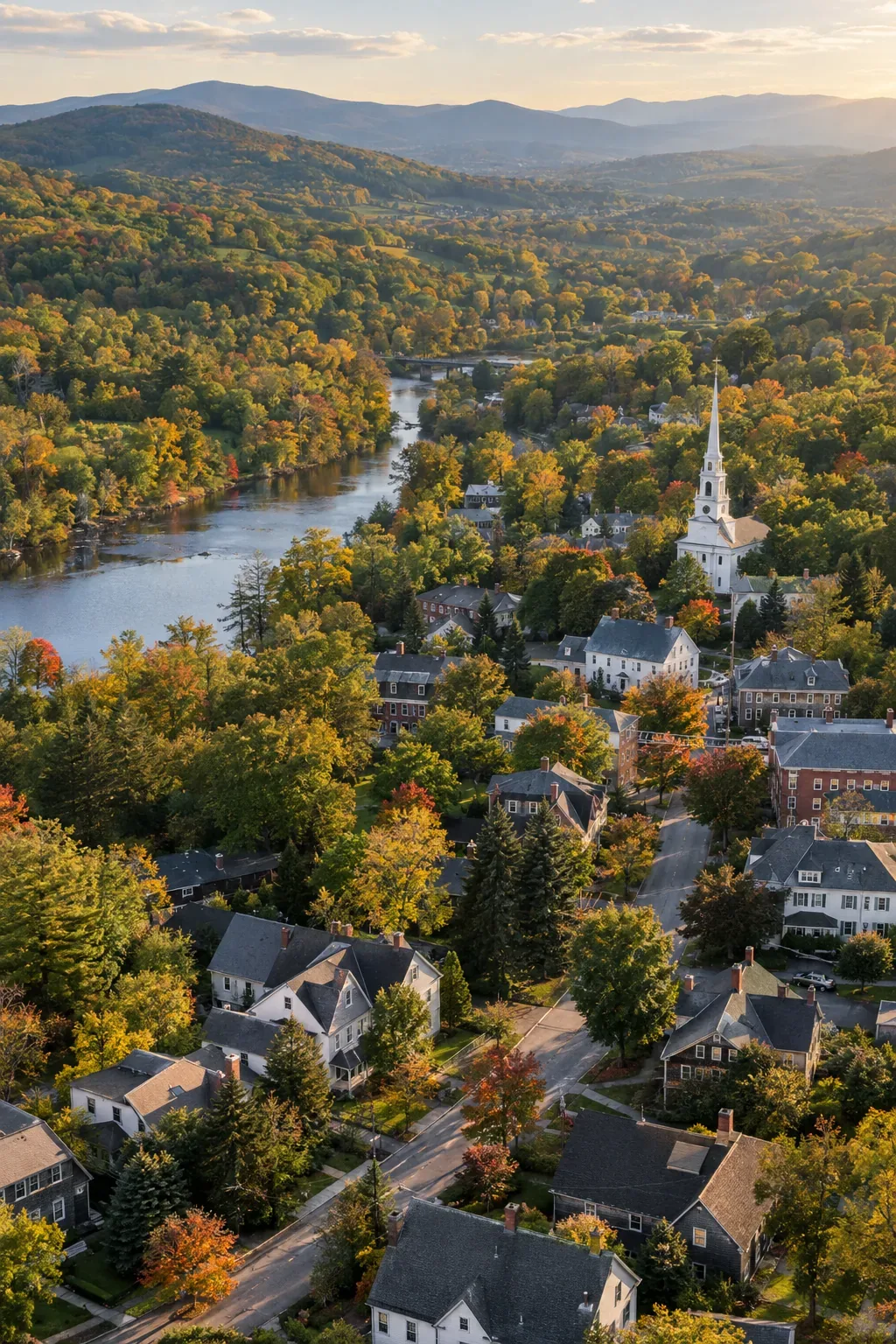
A home's age, a real-estate listing that describes the neighborhood as historic, or a nearby district sign does not provide enough information to plan the project. Have town staff identify the property's designation and the appropriate reviewing office. You may hear names such as historical commission or historic district commission; ask which office handles questions about exterior roof changes at your address.
Useful opening questions include:
- Is this address within an area subject to historic review, or does the property have an individual designation?
- Who should review a description of the proposed roofing work?
- How should I obtain written confirmation of whether an application is needed?
- Does your answer depend on the material, roof section, or other details being changed?
Give the street address rather than relying on a neighborhood name. If the property includes a carriage house, barn, or later addition, identify which building and roof section you mean. A photograph taken safely from the ground can make that much clearer.
Save the response with the name of the person who provided it. An early conversation is helpful, but a written answer tied to a specific scope gives everyone a clearer starting point.
Describe the whole roof project before asking about approval
“We are replacing the roof” leaves a lot unanswered. A reviewer may need a more precise description before offering useful guidance. Put together a short existing-versus-proposed summary, even if your material choice is still preliminary.
- Existing covering: Identify slate, cedar, asphalt shingles, metal, or another material, if known.
- Proposed covering: State whether you want the same material or a different roofing system.
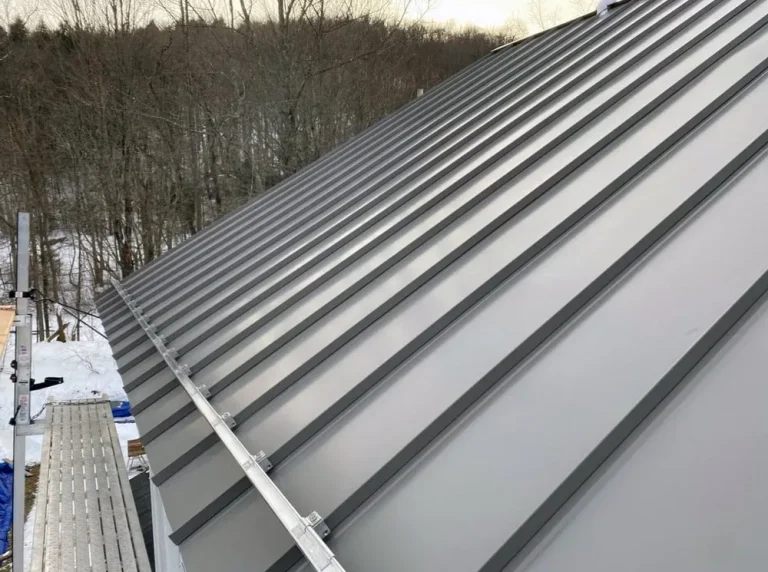
- Appearance: Include the proposed color, surface texture, shingle shape, or metal-panel profile.
- Visible details: Note possible changes to ridge caps, valleys, chimney flashing, roof edges, gutters, or downspouts.
- Other alterations: Mention any planned skylight, vent, dormer, or roofline changes rather than leaving them out of the discussion.
Be careful with the phrase “like for like.” Two gray roofing products can differ substantially in thickness, pattern, sheen, and how their edges look from the street. Explain what you intend to match instead of relying on that phrase alone.
Chris Battaini Roofing & Seamless Gutters serves Berkshire County, including Lee and Pittsfield. Tell us the address, and we'll check whether the commission has to see the project first. Use our contact page to get in touch about that check.
If a detail remains undecided, label it that way. A preliminary question about possible materials is different from asking someone to evaluate a fully specified roof.
Compare historic appearance with the roof's practical needs
Discuss the roof's appearance and how the system will manage water before settling on a product. A photograph or small sample cannot answer every installation question.
Look beyond the color name
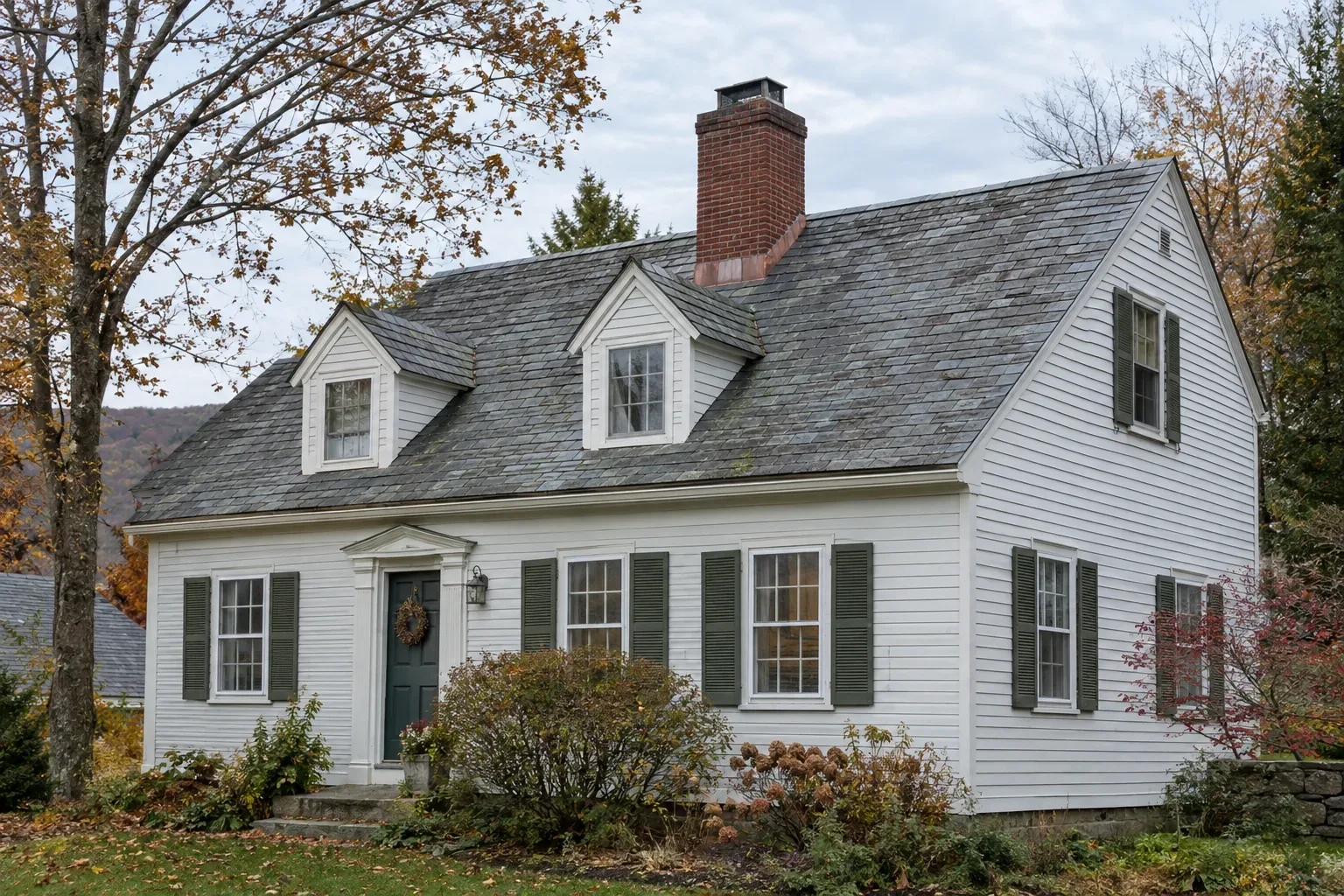
On an older house, the roof's character may come from irregular slate widths, the shadow lines of cedar, or the spacing of standing seams. Ask which characteristics the reviewing office wants you to document. If you are considering a substitute material, provide a specific product rather than describing it only as “slate-look” or “cedar-look.”
Physical samples help reveal texture and thickness. View them from the ground in daylight, where safe and practical. Screen images can make different colors look nearly identical, while a sample held close to your face may look different from a full roof viewed at a distance.
Have a roofer evaluate suitability
The proposed system also needs to suit the roof's slope, supporting structure, transitions, and drainage. Changing to a substantially heavier covering calls for professional evaluation. A low-slope porch section may need a different system from the steep main roof, even when both belong to the same house.
Discuss flashing and roof-edge details, too. Those components direct water away from vulnerable joints; they should not become an afterthought once a visible covering is selected. Leave roof access and condition assessments to a professional.
Chris Battaini Roofing & Seamless Gutters offers residential roof replacement in asphalt, cedar, metal, and low-slope roofing, and can price replacement options for slate roofs. Confirm the review path for the specific option you are considering before committing to it.
A material that resembles the old roof still needs to be evaluated as a complete roofing system.
Prepare a focused set of photos, samples, and questions
Ask the reviewing office what it wants before assembling a large application package.
A useful starting set of information includes:
- Whole-building photographs: Show the house and roof from safe, accessible ground-level viewpoints, including the sides affected by the work.
- Detail photographs: Use your phone's zoom for visible roof edges, chimneys, valleys, and gutters. Ask the roofer to document anything that requires roof access.
- A clear scope: Identify the roof sections being replaced and distinguish them from areas that will remain.
- Product information: Provide the manufacturer, product name, color, profile, and available sample information for the proposed covering.
- Detail descriptions: Explain proposed flashing, ridge, edge, and gutter changes, using photographs or roofer-provided sketches when helpful.
Ask whether physical samples are useful and how they should be delivered. If you are considering two alternatives, find out whether both can be discussed together. That may help you compare workable options before making a purchase.
Keep your questions specific: “What information would you need to consider this metal profile?” is more useful than “Can I use metal?” Likewise, identify the actual cedar or asphalt product under consideration.
Coordinate review, estimates, and seasonal planning
Keep the proposed scope consistent as you speak with the town and your roofer. An estimate for one material and a review discussion about another can leave important details unresolved. Share updated product selections and written feedback with everyone involved.
Before setting a firm work sequence, clarify these points:
- The review process: Ask about submission steps, meeting dates if applicable, and how you will receive the outcome.
- Other town questions: Separately, ask your local building department what it needs for the proposed roof project.
- Material availability: Have the roofer check the availability of the specific product and color being considered.
- Weather planning: Discuss how the season could affect installation conditions and protection of the building.
In late fall or winter, do not assume you must either start immediately or leave a leaking roof alone until spring. Tell the roofer about active leaks and ask for an assessment. Ask the reviewing office how it wants proposed repairs handled.
Homeowners should stay off wet, frosty, snowy, or icy roofs. Indoors, keep people away from a sagging ceiling or water near electrical fixtures and seek qualified help.
Once the review path is clear, have the written estimate reflect the agreed materials and details. Avoid ordering nonreturnable materials or scheduling tear-off around a hoped-for decision date; first confirm what remains unresolved and who is responsible for each next step.
Keep the decision connected to what actually gets installed
Before work begins, gather the relevant correspondence, any written decision, product information, and final scope in one project folder. Ask the reviewing office to clarify anything you do not understand, including conditions, timing, or the handling of substitutions.
Compare the documents for consistency. Does the selected color match the one discussed? Are the ridge, flashing, and gutter details described the same way? If an alternative was considered, make sure everyone knows which option was ultimately selected. Ask what written confirmation is available if staff says no further historic review is needed.
Older roofs can reveal concealed conditions during tear-off. Soft decking, buried layers, or deteriorated flashing may change the construction work needed. Ask the roofer to explain and document unexpected conditions. If the solution would change a visible detail from the reviewed proposal, ask the appropriate town contact how to proceed before that detail is installed.
At the final walkthrough, review the finished roof from the ground with the roofer. Discuss any differences between the planned scope and completed work, and keep supporting photographs and updated paperwork.
Common questions
Does replacing the roof with the same shingles mean I can skip historic review?
Do not assume so. Give the town the exact address, existing material, and proposed replacement product, then ask for confirmation of what applies to that scope.
What if the roof section cannot be seen from the street?
Identify that roof section in photographs or a simple sketch and ask the reviewing office whether its location affects the process. Do not decide the review question yourself based only on visibility from the front sidewalk.
Can old photographs help with my roofing proposal?
They can help explain an earlier roof's appearance, especially its pattern, profile, or edge details. Label their approximate date if known, and ask the reviewer how useful they are; an old photograph does not establish the condition or suitability of the current roof.
What should I do if the selected roofing product becomes unavailable?
Get the proposed substitute's exact product information and compare its appearance and installation needs with the original selection. Ask the reviewing office how to handle the substitution before ordering it, and have the roofer update the written scope.