

Flat Roofing Contractor: 5 Proven Ways to Find Reputable
Why Finding a Reputable Flat Roofing Contractor Matters
A Flat Roofing Contractor is a specialized professional who installs, repairs, and maintains flat or low-slope roof systems. When searching for one, focus on these five proven methods:
- Verify credentials and reputation – Check licensing, insurance, manufacturer certifications, and online reviews.
- Assess their knowledge – Ensure they understand modern materials like TPO, EPDM, PVC, and Modified Bitumen.
- Evaluate their inspection process – Look for detailed quotes that include materials, labor, timeline, and warranties.
- Review warranty offerings – Confirm both manufacturer and workmanship warranties are provided.
- Check maintenance support – Ensure they offer ongoing maintenance plans to extend your roof’s lifespan.
Flat roofs present unique challenges. Unlike pitched roofs where water runs off naturally, flat roofs require specialized knowledge of waterproofing, slope design, and material selection. Poor drainage, membrane damage, and improper installation can lead to costly leaks and structural damage.
According to industry data, flat roofs can last 20 to 25 years with proper installation and regular maintenance. However, that lifespan depends entirely on the contractor’s expertise. Many roofers specialize in pitched roofs and lack the training for low-slope applications, which can result in ponding water, premature failure, and thousands in repairs.
Fortunately, there are clear methods to identify a reputable flat roofing contractor before you sign a contract, helping you avoid the common frustrations of poor workmanship and communication.
I’m Christopher Battaini, and I’ve spent over two decades helping property owners across Massachusetts protect their investments with quality roofing. While our primary expertise is in asphalt roofing and seamless gutters, understanding how to hire any reputable contractor—including a Flat Roofing Contractor—is key to making an informed decision.
Relevant articles related to Flat Roofing Contractor:
First, What is a Flat Roof and Why Choose One?
Before searching for a Flat Roofing Contractor, it helps to understand why flat roofs are a popular choice for both commercial and residential properties.
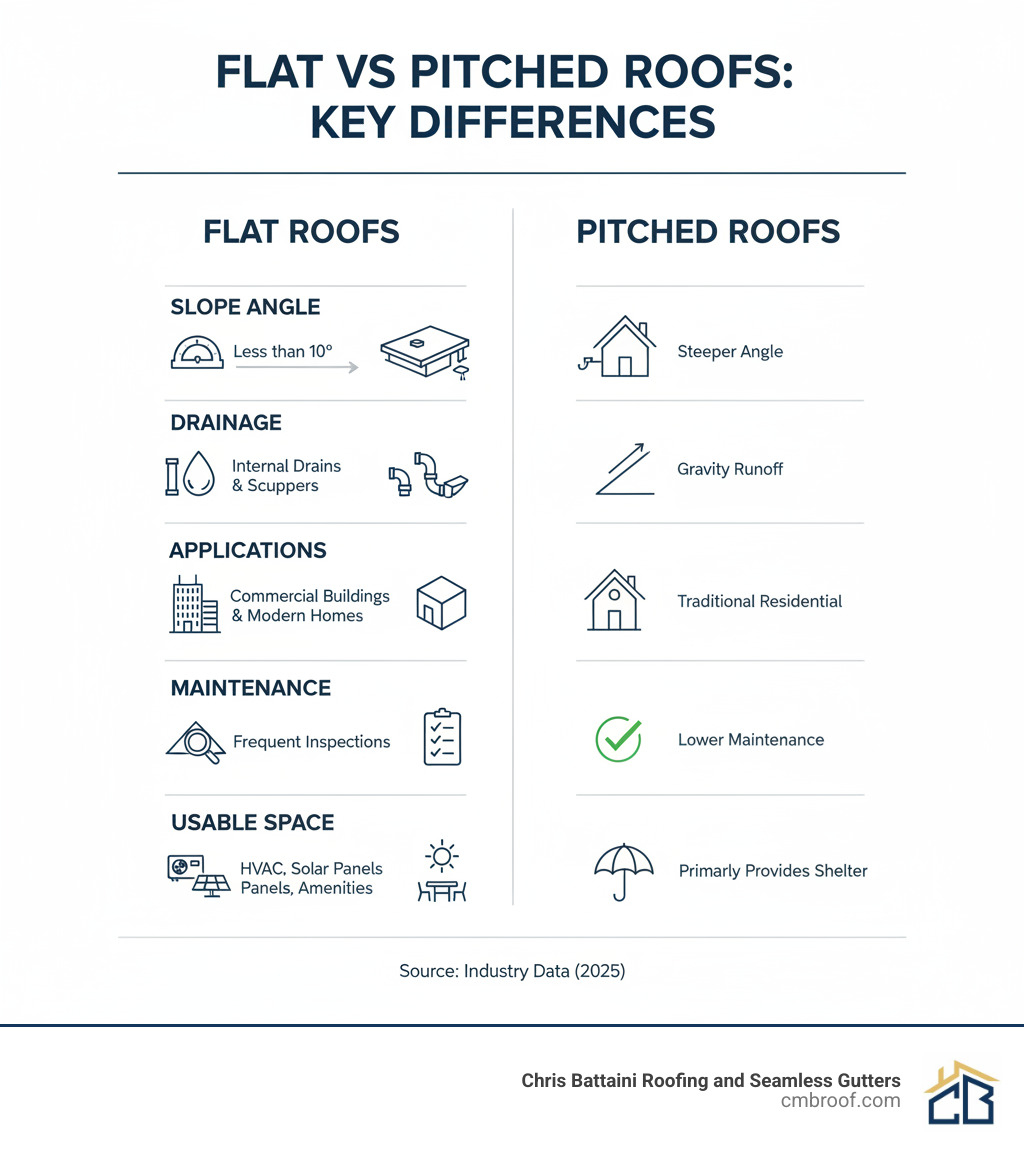
Here’s a surprising fact: flat roofs aren’t actually flat. They have a subtle slope (typically under 10 degrees) to guide water toward drains. This low-slope design distinguishes them from traditional pitched roofs, which use steep angles to shed water via gravity.
Flat roofs offer several distinct advantages:
- Usable Space: A flat roof is functional real estate. It can house HVAC units to free up ground space, support solar panels, or even become a rooftop garden or deck. This is a game-changer for businesses needing space for equipment and homeowners wanting private outdoor areas.
- Modern Aesthetic: The clean, horizontal lines of a flat roof provide a contemporary look that stands out.
- Cost-Effectiveness: On larger structures, the simpler design of a flat roof can mean lower material and labor costs compared to complex pitched systems.
- Energy Efficiency: Reflective coatings can bounce summer heat away, reducing cooling bills. The design also allows for excellent insulation, creating a thermal barrier for year-round comfort. Some owners even opt for green roofs for natural insulation.
- Accessibility: Inspecting the roof, cleaning drains, or servicing equipment is far easier and safer on a flat surface than on a steep pitch, which can reduce long-term maintenance costs.
Whether you’re considering a High Quality Flat Roofing system for your home or business, these benefits are key. While Residential Flat Roofing may focus on aesthetics and Commercial Flat Roofing on utility, both require a knowledgeable Flat Roofing Contractor to ensure a successful project.
Method 1: Dig Into Their Credentials and Reputation
When hiring a Flat Roofing Contractor, you’re entrusting them with a major asset. The first step is to thoroughly vet their credentials and reputation to ensure they can do the job right, safely, and will stand behind their work.
Licensing and Insurance Verification
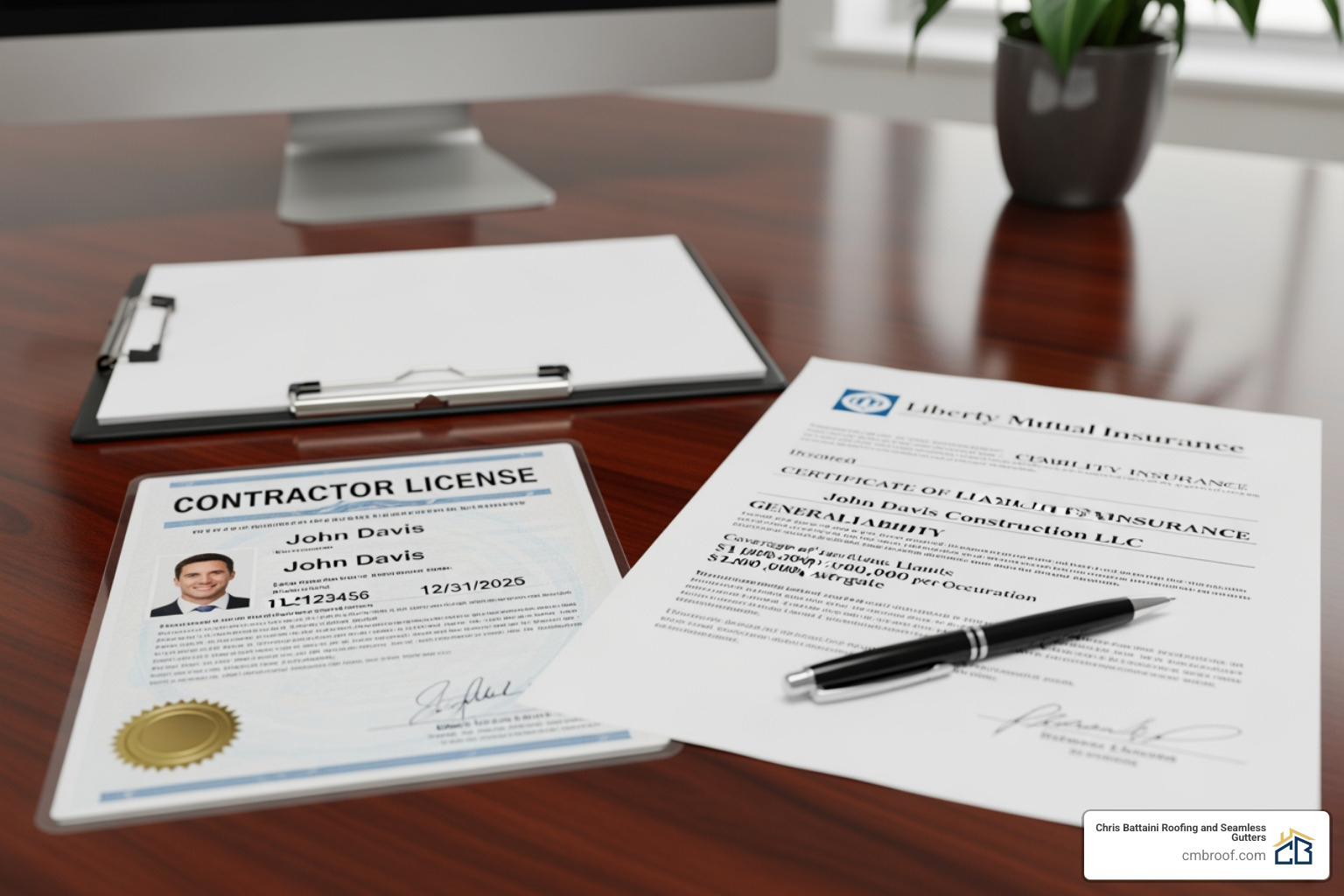
Proper licensing and insurance are non-negotiable. In Massachusetts and Vermont, this is a requirement. Before discussing your project, ask for proof of current licensing, liability insurance, and worker’s compensation insurance.
- Liability insurance protects your property if something goes wrong during the project.
- Worker’s compensation covers the crew if they are injured on your property. Without it, you could be held personally liable.
Always verify these documents with the issuing authorities. A legitimate contractor will respect your diligence.
Manufacturer Certifications
Certifications from leading manufacturers like GAF or CertainTeed indicate that a contractor has undergone specific training and meets high installation standards. This often gives you access to improved warranties and proves the contractor is current with industry best practices.
Online Reviews and Testimonials
A contractor’s reputation is public. Check Google, the Better Business Bureau (BBB), and other review sites. Look for consistent positive feedback and note how the contractor responds to any criticism—professionalism in resolving issues is a good sign. An A+ BBB rating suggests a strong track record. Don’t forget to ask for local referrals from neighbors or other businesses in Berkshire County, MA or Southern Vermont for honest insights.
Professional bodies like the National Federation of Roofing Contractors (NFRC) maintain directories of qualified members, setting a standard for the industry. You can see an example of such a directory here: Find Your Local NFRC Roofing Contractor.
Credentials and reputation are your first line of defense against poor workmanship and costly mistakes.
Method 2: Gauge Their Knowledge of Modern Roofing Systems
A true Flat Roofing Contractor doesn’t just install roofs—they understand the science behind them. They know which materials work best in our climate and which solutions offer the best return on investment.
Waterproofing and Climate Considerations
Waterproofing is where flat roofs succeed or fail. A small breach can lead to water damage and mold. A knowledgeable contractor will emphasize seamless membrane application and proper flashing around vents and HVAC units. Our climate in Berkshire County, MA and Southern Vermont, with its freeze-thaw cycles and heavy snow, requires systems that can handle thermal expansion and contraction. A contractor who offers a one-size-fits-all solution without considering local conditions is a red flag.
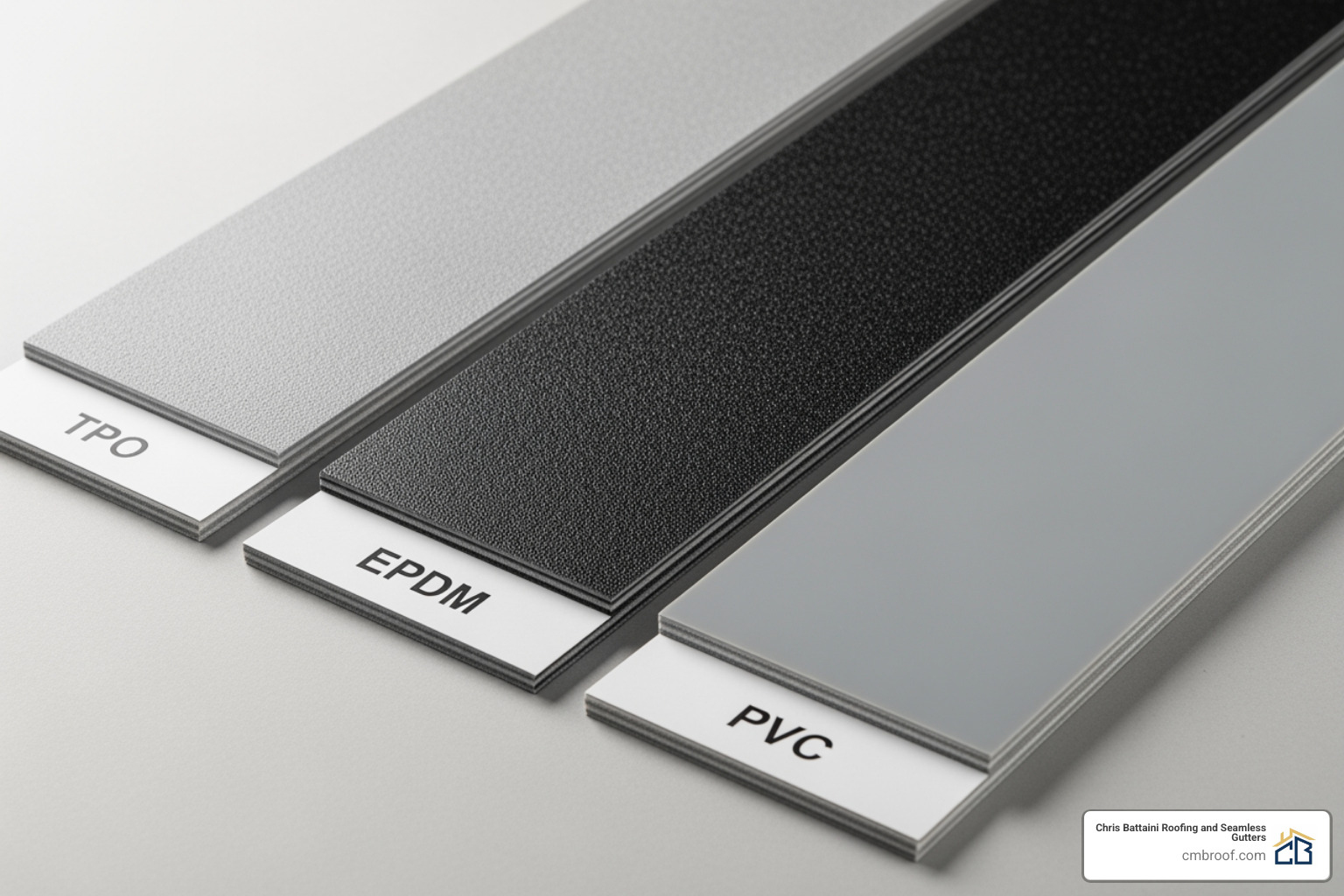
Modern systems include single-ply membranes like TPO, EPDM, and PVC, as well as modified bitumen and various coatings. You can learn more at our Types of Flat Roofs page.
Comparing Common Flat Roofing Materials
Here’s a quick guide to popular options:
- TPO (Thermoplastic Polyolefin): Lasts 20-30 years. Known for energy efficiency due to its reflective white surface. Seams are heat-welded for a watertight bond, but it can be vulnerable to punctures.
- EPDM (Ethylene Propylene Diene Monomer): This “rubber roofing” can last up to 30 years. It’s extremely flexible in the cold, making it ideal for New England winters. It requires minimal maintenance but can also be punctured.
- PVC (Polyvinyl Chloride): Lasts 20-25 years. Valued for chemical and fire resistance, making it great for restaurants. Heat-welded seams are very strong, but it’s generally more expensive than TPO or EPDM.
- Modified Bitumen: Lasts 10-20 years. This system is flexible, puncture-resistant, and handles foot traffic well, making it a durable and economical choice for certain applications.
Disclaimer: These lifespans are general industry averages. Actual results depend on installation quality, maintenance, and local weather.
How a Reputable Contractor Chooses the Right System
An expert Flat Roofing Contractor won’t have a predetermined solution. They will assess your property based on several factors:
- Property Type: A commercial building with rooftop equipment has different needs than a modern home.
- Budget: A good contractor explains the long-term value of different systems, not just the upfront cost.
- Local Climate: They will recommend materials proven to handle our region’s heavy snow and temperature swings.
- Long-Term Goals: Are you planning to add solar panels or a rooftop deck? The system should accommodate future plans.
- Energy Efficiency: If reducing energy bills is a priority, they will suggest reflective membranes and proper insulation.
A contractor who discusses these factors is one who understands their craft.
Method 3: Analyze Their Inspection and Quoting Process
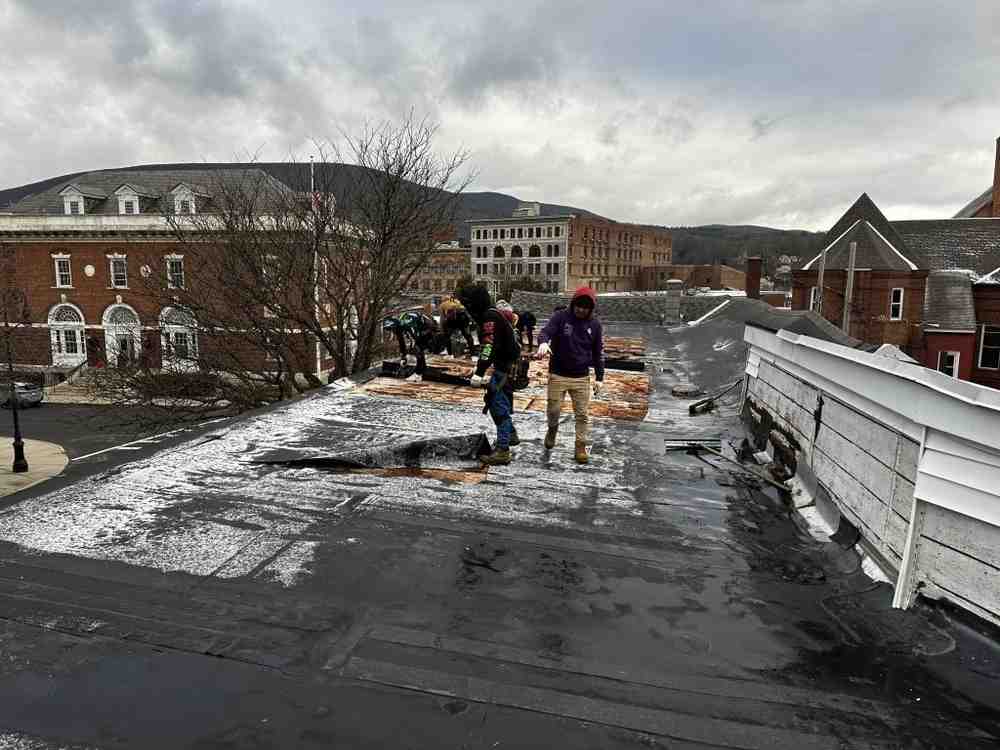
This stage reveals a contractor’s professionalism and attention to detail. A reputable Flat Roofing Contractor will perform a thorough on-roof inspection, not just a quick glance from the ground.
Recognizing Signs Your Flat Roof Needs Attention
A professional knows what warning signs to look for:
- Leaks: Obvious signs like interior water stains mean damage may already be significant.
- Ponding Water: Water that sits for more than 48 hours after rain accelerates material breakdown.
- Blistering or Cracking: Bubbles or splits in the membrane indicate material fatigue or trapped moisture.
- Damaged Flashing: Failing seals around roof edges, vents, and pipes are common sources of leaks.
- Vegetation Growth: Moss or algae signals trapped moisture and poor drainage.
A skilled contractor will explain whether you need minor Commercial Roof Repair Solutions or a full Commercial Roof Replacement, clearly articulating their findings.
What a Detailed Quote Should Include
A professional quote is more than a single number. It should clearly break down:
- Itemized Material Costs: The specific membrane, insulation, fasteners, and other materials.
- Labor Costs: A separate line item for labor.
- Debris Removal: Confirmation that cleanup is included.
- Project Timeline: Estimated start and completion dates.
- Payment Schedule: Clear terms for deposits and final payment.
- Warranty Information: Details on both manufacturer and workmanship warranties.
Disclaimer: Please note that any cost information presented is based on general industry data and does not represent actual pricing from Chris Battaini Roofing and Seamless Gutters. For an accurate quote, please contact us directly.
New flat roof installation typically ranges from $4 to $15 per square foot, but can exceed $25 per square foot for premium systems. The wide range reflects why detailed, itemized quotes are so important.
The General Flat Roof Installation Process
Understanding the process helps you vet a contractor’s experience:
- Surface Preparation: The old roof is removed (if necessary) and the underlying deck is inspected and repaired.
- Insulation Installation: Insulation is laid on the roof deck for energy efficiency.
- Membrane Application: The roofing membrane (TPO, EPDM, etc.) is carefully laid out and secured.
- Seam Welding/Adhesion: Seams are fused with heat or adhesive to create a monolithic, waterproof surface.
- Flashing Installation: Critical waterproofing is installed around all penetrations and edges.
- Final Inspection: The contractor ensures the job is complete and watertight.
For more details, see our Commercial Roof Installation guide.
Method 4: Clarify Warranties and Long-Term Maintenance
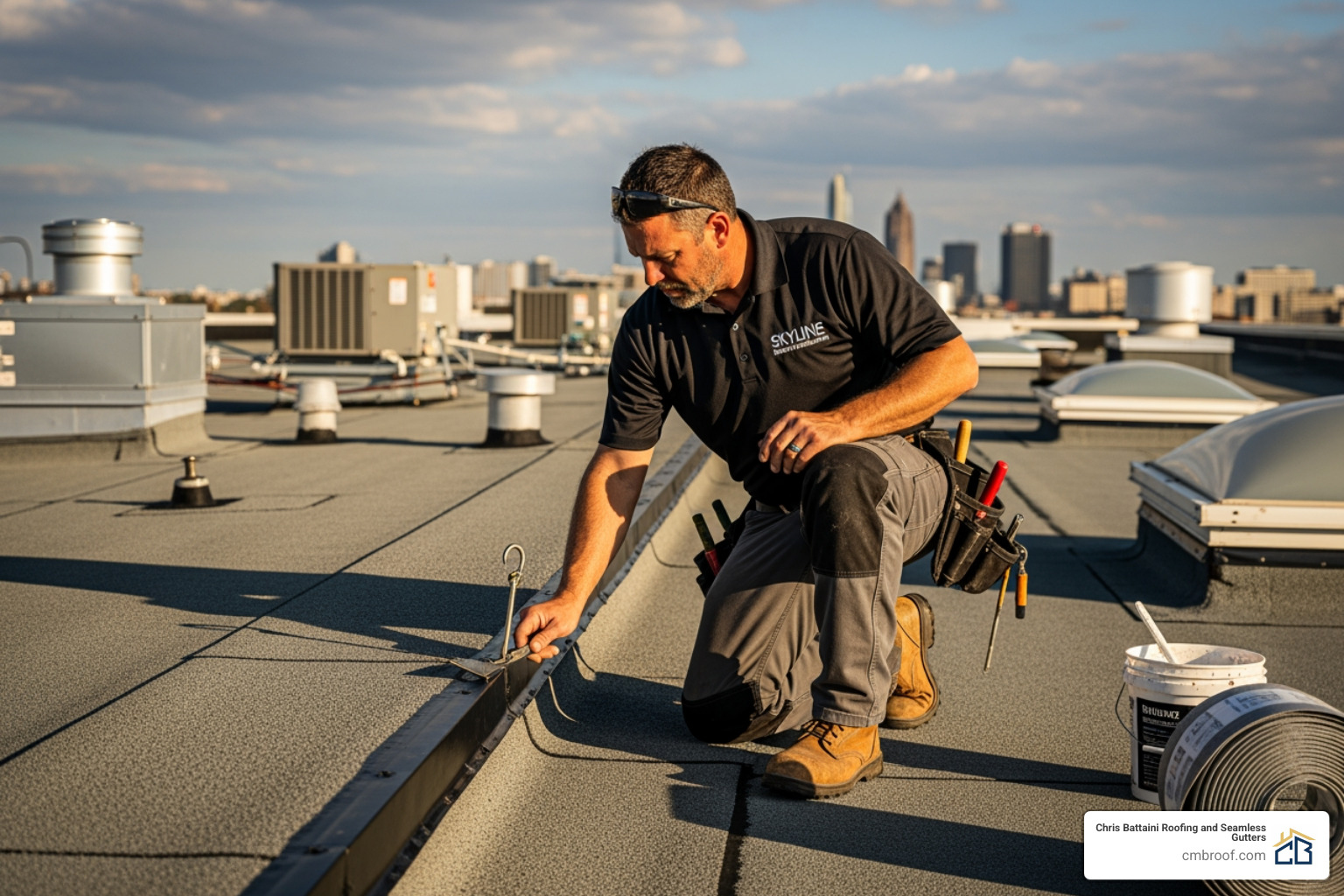
Investing in a new flat roof means you need to understand the long-term protection. Warranties and maintenance plans reveal how much a Flat Roofing Contractor stands behind their work.
Two Types of Warranties You Need to Understand
A quality contractor provides two distinct warranties:
- Manufacturer Warranty: This covers the roofing materials against manufacturing defects. Terms can range from 10 to 30 years. Contractors with manufacturer certifications can often offer improved warranties.
- Workmanship Warranty: This is the contractor’s guarantee on the quality of the installation itself. It protects you from issues arising from poor craftsmanship. We believe in providing exceptional workmanship warranties for genuine peace of mind.
Before signing, ask about warranty length, coverage details, and transferability. A reputable contractor will provide clear answers. Learn more about our commitment on our Warranty – Guarantee page.
Why Regular Maintenance Is Your Roof’s Best Friend
Even the best roof won’t reach its full lifespan without regular maintenance. A good Flat Roofing Contractor will help establish a maintenance plan custom to your roof and our local climate.
Key maintenance tasks include:
- Semi-Annual Inspections: Catching small issues like cracks or loose flashing in the spring and fall prevents expensive leaks.
- Addressing Ponding Water: Water standing for over 48 hours is a silent killer of flat roofs. Regular inspections identify drainage issues. Sometimes, Commercial Roof Coatings as a Solution for Ponding Water can help.
- Debris Removal and Drain Cleaning: Leaves and branches block drains, leading to ponding water. Keeping drains clear is simple but vital.
Proactive maintenance extends your roof’s life and prevents costly emergency repairs. It’s not an expense—it’s insurance for your investment.
Frequently Asked Questions about Flat Roofs
Here are the questions we hear most often from property owners in Berkshire County, MA and Southern Vermont.
How long does a flat roof last?
A well-installed flat roof typically lasts 20 to 25 years, but this depends on the material, installation quality, and maintenance. EPDM can last up to 30 years, TPO for 20-30 years, PVC for 20-25 years, and Modified Bitumen for 10-20 years. Even the best material will fail prematurely without proper installation and care, which is why your choice of Flat Roofing Contractor is so critical.
What are the most common problems with flat roofs?
Flat roofs have unique challenges. Being aware of them helps you spot trouble early.
- Ponding Water: Water that stands for more than 48 hours after rain will degrade the membrane and shorten the roof’s life.
- Leaks and Moisture Intrusion: Often caused by failed flashing around vents and skylights or by punctures in the membrane.
- Membrane Damage: Tears and punctures can result from foot traffic, falling branches, or severe weather.
- Blistering and Cracking: Trapped moisture or gases expand with heat, causing bubbles and cracks, especially in our climate with its temperature swings.
- Clogged Drains: Debris blocks drainage systems, leading directly to ponding water.
- Vegetation Growth: Moss and algae hold moisture against the roof, accelerating deterioration.
Regular maintenance can prevent most of these issues. For persistent ponding, Commercial Roof Coatings as a Solution for Ponding Water can be an effective solution.
Can you install a flat roof over an existing one?
Sometimes, but it requires careful evaluation by a qualified Flat Roofing Contractor. A “recover” or “overlay” can save on tear-off costs, but it’s not always the right choice.
Consider these factors:
- Existing Roof Condition: If the current roof has structural damage or is saturated with water, it must be torn off. Covering a problem only makes it worse.
- Building Codes: Most codes in Massachusetts and Vermont permit only one roof recover. If you already have two layers, a full tear-off is required.
- Weight Limitations: An extra roof layer adds significant weight. A structural assessment is needed to ensure your building can handle the load, especially with our heavy snow.
- Trapped Moisture: Covering an old, moist roof traps water, leading to rot and mold. This can turn a cost-saving measure into a future disaster.
A full tear-off may cost more upfront, but it’s often the best long-term investment for your property. An honest contractor will recommend what your roof truly needs.
Chris Battaini Roofing and Seamless Gutters proudly services Berkshire, Hampden, Hampshire, and Franklin Counties in Massachusetts.
Follow us on Facebook for helpful roofing tips and updates!
Conclusion
You now have a roadmap for finding a reputable Flat Roofing Contractor who will protect your investment. These five methods are your safeguard against costly mistakes and poor workmanship.
Choosing a contractor is as important as choosing the right material. The expertise behind the installation determines the longevity and performance of your roof. The due diligence you perform now—verifying credentials, asking tough questions, and carefully reviewing quotes—will save you from water damage and frustration down the road.
For homeowners and businesses in our service area, Chris Battaini Roofing and Seamless Gutters provides owner-led expertise on every project. I am personally involved in every job to ensure the exceptional workmanship our clients expect. Whether you need a new flat roof, repairs, or a professional assessment, we are here to help.
Contact us for your flat roofing needs and let’s discuss how we can protect your property with a quality roofing solution.
Chris Battaini Roofing and Seamless Gutters proudly services Berkshire, Hampden, Hampshire, and Franklin Counties in Massachusetts.
Follow us on Facebook!
