

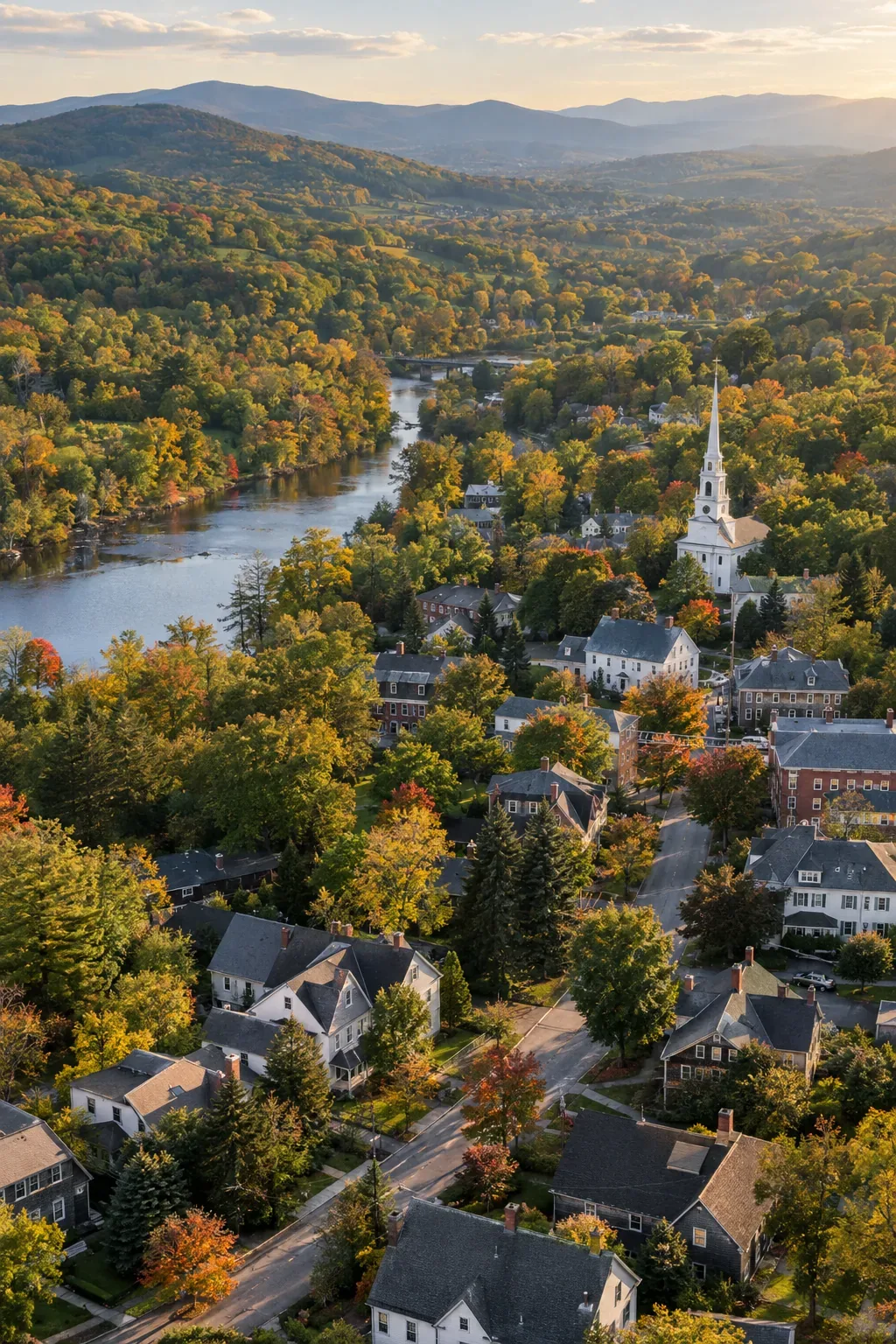
From Hand-Split to Tapersawn: Discovering the World of Cedar Shakes

Types of Cedar Shakes: Ultimate 2025 Guide
Why Understanding the Different Types of Cedar Shakes Matters
Types of cedar shakes include hand-split and resawn shakes, tapersawn shakes, and sawn shingles, each offering distinct textures and appearances for your roof. Here’s a quick overview:
- Hand-Split & Resawn Shakes: Split face with a rustic, textured look and strong shadow lines
- Tapersawn Shakes: Sawn on both sides for a semi-textured appearance, thicker than shingles
- Perfection Shingles: Sawn smooth on both sides for a uniform, custom finish
- Specialty Products: Straight-split, tapersplit, and fancy-butt options for unique applications
Cedar roofs have protected homes for centuries, offering natural beauty that ages gracefully, exceptional durability, and a timeless appeal that asphalt shingles can’t match.
But not all cedar roofs are created equal. When researching cedar roofing, you’ll find terms like shake, shingle, hand-split, and tapersawn. Each type has a unique manufacturing process, appearance, and price point.
Understanding these differences matters because the type you choose affects:
- How your roof looks (rustic vs. refined)
- How long it lasts (30 to 50+ years)
- What it costs (materials range from $4 to $12+ per square foot)
- Whether it fits your home’s architectural style
The Cedar Shake & Shingle Bureau, the recognized authority since 1915, sets quality standards and provides a grading system to help homeowners make informed decisions.
Whether you’re drawn to the rugged charm of hand-split shakes or prefer the cleaner lines of sawn shingles, this guide will walk you through each type, helping you choose the right cedar roofing for your home in Western Massachusetts.
The Main Types of Cedar Shakes and Shingles
When you’re choosing cedar for your roof, the first thing to understand is this: types of cedar shakes differ based on how they’re cut and processed. This isn’t just a technical detail—it completely changes how your roof looks, how the light plays across it, and how it complements your home’s style.
Let’s walk through each type so you can picture what might work best for your project.
Hand-Split & Resawn Shakes
These shakes are made from cedar blocks split—often by hand—along the natural grain, creating an irregular, textured face full of character. The back is sawn smooth for easier installation, preserving the rustic charm on the visible side.
What really sets hand-split shakes apart is their thicker profile and those gorgeous strong shadow lines that shift throughout the day. As the sun moves across your roof, the texture comes alive in ways that flat shingles never could.
They’re perfect for traditional homes, historical properties, and ranch-style houses where you want that substantial, authentic wood look. The Cedar Shake & Shingle Bureau calls these Certi-Split® Handsplit & Resawn Shakes—a recognition of their time-honored craftsmanship.
Tapersawn Shakes
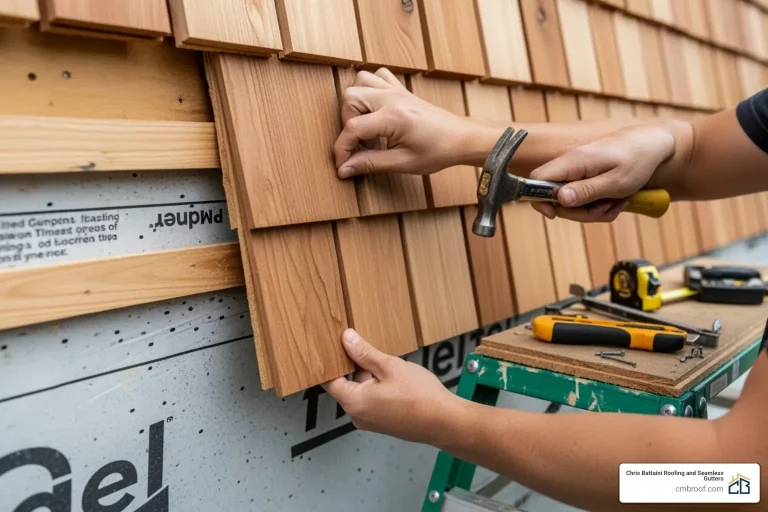
Sawn on both sides, tapersawn shakes have a more consistent thickness and smoother look than hand-split shakes. Yet, they are thicker than traditional shingles, creating appealing shadow lines that add dimension to a roof.
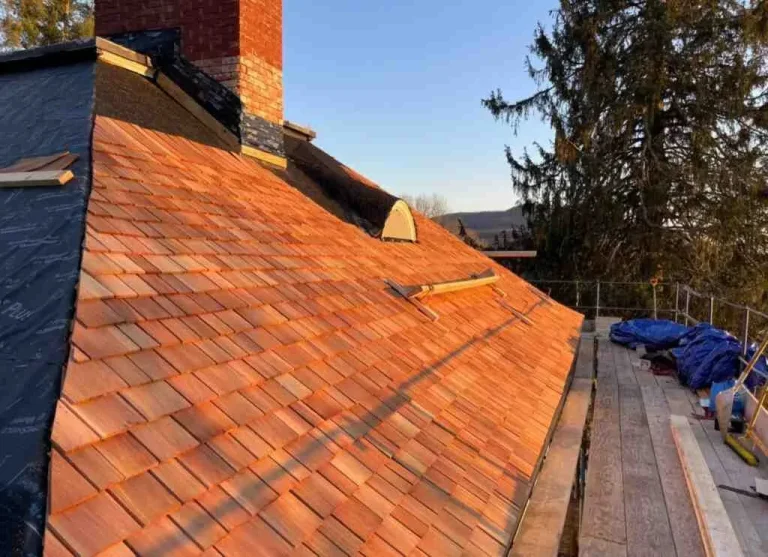
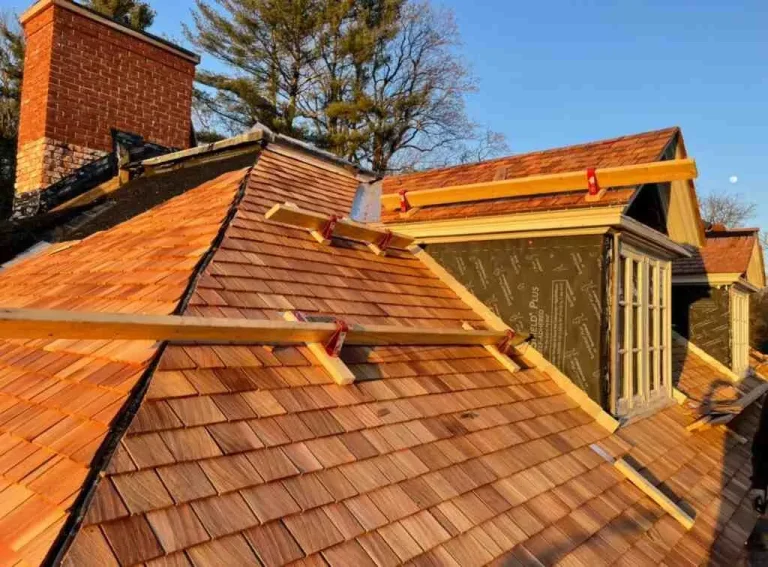
This semi-textured look works with almost any architectural style—from contemporary homes to traditional colonials. They’re one of the most versatile cedar roofing options, which explains why they’re such a common choice for residential structures throughout Western Massachusetts.
The uniform dimensions also make installation more straightforward, while still delivering that natural cedar aesthetic homeowners love.
Perfection Shingles
Want the beauty of cedar with clean, precise lines? Perfection shingles deliver exactly that.
These are sawn on both sides for a smooth, uniform appearance. They come in a standard 18-inch length with consistent thickness and perfectly square edges. Perfection shingles work beautifully for both roofing and siding applications. Their smooth texture and precise dimensions create a refined, classic look that’s more polished than shakes. If you appreciate clean architectural lines but still want the warmth and character of natural wood, perfection shingles might be your perfect match.
Other Cedar Products
Beyond the main types of cedar shakes and shingles, specialty products offer unique design possibilities:
- Straight-split shakes have a split face and back, offering a uniform yet rugged texture. The Cedar Shake & Shingle Bureau recognizes these as Certi-Split® Straight-Split Shakes.
- Tapersplit shakes, split along the grain for a natural taper, are often used in historical restorations and carry the Certi-Split® Tapersplit designation.
- Fancy-butt shingles (Certi-Cut® Shingles) feature decorative cuts (diagonal, fish-scale, diamond, etc.) on the exposed end, perfect for accent areas like gables and sidewalls.
- Certi-Ridge® caps are pre-manufactured hip and ridge units that provide a cohesive, weather-tight finish to your roof’s peaks and edges.
Choosing the Right Cedar: Species, Grades, and Considerations
Selecting the perfect cedar for your home involves more than just picking a style. Understanding the wood itself – its species, grade, and inherent characteristics – is crucial for making an informed decision based on appearance, durability, and budget.
Common Cedar Species
When you’re exploring different types of cedar shakes, you’ll encounter three primary species, each with its own personality and natural beauty.
Western Red Cedar is the most popular choice for roofing and siding. It ranges from honey-gold to reddish-brown, weathering to a beautiful silver-gray. Its natural oils provide excellent resistance to decay, insects, and moisture.
Alaskan Yellow Cedar is known for exceptional strength and perhaps the highest natural resistance to decay of all cedar species. It starts as a pale yellow and ages to a distinguished silver-gray, making it a top choice for durability.
Eastern White Cedar, native to the Northeast, is typically pale yellow and weathers to a pleasant gray. It offers good natural resistance to decay and insects and has a rich history in the region.
The weathering process is something special to witness. As cedar ages, it develops character and depth that synthetic materials simply can’t replicate. All cedar species are naturally resistant to the elements, come from renewable resources, and are an environmentally friendly choice for your home.
Understanding Grades for Different Types of Cedar Shakes
Cedar shakes and shingles come in different grades that reflect their quality. The Cedar Shake & Shingle Bureau’s Certi-label® system standardizes these grades, making it easier to understand what you’re getting.
Number 1 Blue Label represents the premium grade. This grade is 100% clear, edge grain, and heartwood. Free from defects, these shakes are cut from the most durable part of the tree for maximum stability and longevity. They lay flat, resist curling, and are the best investment for a primary residence.
Number 2 Red Label offers excellent quality while being more budget-friendly. This grade permits some flat grain and limited sapwood. While there’s more visual variation, it still provides a durable and attractive finish for most applications.
Number 3 Black Label is the utility grade, best suited for economy applications or secondary buildings like sheds or garages where aesthetics matter less. These products contain more knots and flat grain, making them more prone to splitting and warping.
We strongly recommend investing in the higher grades for your home’s roof or siding for better performance and a longer lifespan.
Key Factors for Your Project
Choosing the right types of cedar shakes means balancing several practical considerations.
Climate plays a significant role. Wood degrades faster in areas with heavy rainfall and high humidity. Extreme weather events also take their toll. Cedar is resilient, but understanding your local environment helps set realistic expectations. Here in Western Massachusetts, our varied seasons suit cedar well.
Budget is always a consideration. Cedar is a premium material, and costs vary based on type, grade, and species. According to national averages from internet research, materials for perfection shingles can range from $4 to $15 per square foot, hand-split shakes from $5 to $18, and tapersawn shakes from $6 to $20 per square foot. Installation costs add to this, and complex projects can run significantly higher. Please note: These figures are national averages and do not represent actual pricing from Chris Battaini Roofing and Seamless Gutters. Costs can range widely depending on grade, type, and project complexity.
Architectural style should guide your choice. Hand-split shakes look stunning on traditional and historical homes. Perfection shingles, with their clean lines, work beautifully across many styles. Tapersawn shakes offer a versatile middle ground that complements most homes. Consider whether are cedar shake roofs good for your specific home’s design.
Project goals tie everything together. Are you restoring a historical home, seeking maximum longevity, or aiming for a specific aesthetic? Clearly defining success helps narrow down the best options.
Chris Battaini Roofing and Seamless Gutters proudly serves Berkshire, Hampden, Hampshire, and Franklin Counties in Massachusetts. Follow us on Facebook to see our latest projects and cedar roofing installations.
Cedar Shakes vs. Other Roofing Materials: A Comparison
When you’re standing in your driveway, looking up at your roof and wondering what comes next, you’ve got choices. But how do types of cedar shakes compare to what else is out there? Let’s break it down.
| Feature | Cedar Shakes | Asphalt Shingles | Metal Roofing |
|---|---|---|---|
| Lifespan | 30-50+ years | 15-25 years | 40-70+ years |
| Cost | Medium-High (materials & installation) | Low (materials & installation) | High (materials & installation) |
| Aesthetics | Natural, rustic, timeless | Varied colors, less natural, common | Modern, industrial, sleek |
| Eco-Friendliness | Renewable, biodegradable, insulating | Less eco-friendly, contributes to landfills | Recyclable, energy-efficient |
| Weather Resistance | Excellent, natural oils resist decay/moisture | Good, but susceptible to wind/hail damage over time | Excellent, resistant to extreme weather/fire |
Lifespan and Durability
A well-maintained cedar roof can last 30 to 50+ years, significantly longer than asphalt shingles (15-25 years). While metal roofing can last longer (40-70+ years), it lacks cedar’s natural character. Cedar’s durability comes from its natural oils, which provide inherent resistance to decay, insects, and moisture, allowing it to actively protect itself.
Cost Considerations
Asphalt shingles are the cheapest option upfront, but they require more frequent replacement. Cedar requires a larger initial investment, but it pays back through decades of reliable performance.
For types of cedar shakes, material costs can range from $4 to $15 per square foot for Perfection Shingles, $5 to $18 for Hand-Split Shakes, and $6 to $20 for Taper-Sawn Shakes. Professional installation, underlayment, and other components add to the total project cost, which can range from $7 to over $25 per square foot depending on the project’s complexity and materials used.
Please note: The cost figures mentioned are national averages based on internet research and do not represent actual pricing from Chris Battaini Roofing and Seamless Gutters. Costs can range widely from $7 to over $25 per square foot depending on grade, type, and project complexity.
We believe in being upfront about what you’re investing in. That’s why we’re always transparent about the full cedar shake roof replacement cost from start to finish.
Aesthetic and Environmental Impact
A cedar roof offers a warm, substantial look that adds curb appeal and can increase property value. It ages gracefully to a distinguished silver-gray patina. Beyond aesthetics, cedar is a renewable and biodegradable resource, unlike asphalt shingles that fill landfills.
It also provides natural insulation, improving a home’s energy efficiency by reducing heating and cooling costs. Choosing cedar is an investment in timeless beauty, environmental responsibility, and long-term value.
Installation and Maintenance: Maximizing Your Roof’s Lifespan
Getting the most out of your cedar roof—whether you’ve chosen hand-split shakes, tapersawn shakes, or perfection shingles—comes down to two critical factors: expert installation and consistent care. When both are done right, your investment in any of the types of cedar shakes can reward you with decades of beauty and protection.
Proper Installation Practices
The quality of installation is as crucial as the wood itself. Cedar roofing requires specialized knowledge and precision to ensure a long-lasting result.
- Professional installation is non-negotiable for a long-lasting roof. An experienced professional prevents common installation errors that lead to premature failure.
- A high-quality underlayment provides a critical secondary moisture barrier, protecting your home from water intrusion.
- Proper ventilation is vital. Adequate attic airflow prevents moisture buildup and rot from the inside out, extending the roof’s life and regulating home temperature.
- Fasteners must be corrosion-resistant, like stainless steel, to prevent rust and staining. For treated cedar, Type 316 Stainless Steel is often required. Proper nailing technique allows for the wood’s natural expansion and contraction. You might be wondering, can you use roofing nails for cedar shakes? Yes, but only the right type designed for cedar.
- Staggering seams between shingles creates a watertight barrier and gives your roof its classic, attractive appearance.
Best Practices for Maintenance
Cedar is remarkably durable, but regular attention will maximize its lifespan and keep it looking its best.
- Regular inspections are your first line of defense. Inspect your roof twice a year (spring and fall) to catch minor issues before they become major problems.
- Debris removal is critical. Remove leaves, pine needles, and branches, as they trap moisture and promote rot, moss, and algae.
- Gutter cleaning works hand-in-hand with debris removal. Clogged gutters cause water to back up onto the roof, accelerating deterioration.
- Moss and algae can retain moisture and cause decay. Use appropriate moss control products or install zinc strips along the roof ridge for ongoing, low-maintenance protection.
- Trimming overhanging branches prevents physical damage from scraping, reduces debris, and allows sunlight to dry the roof, extending its life.
For comprehensive maintenance guidance, the Oregon State University Extension Service offers an excellent resource: The Care and Maintenance of Wood Shingle and Shake Roofs.
One final note: your cedar roof will naturally turn a beautiful light gray within about a year of installation. This silvery patina is part of cedar’s timeless appeal—it’s not damage, it’s character.
Frequently Asked Questions about Types of Cedar Shakes
Are cedar shake roofs a fire hazard?
While wood is naturally combustible, modern cedar shakes can be very fire-resistant. Pressure-impregnated fire retardant treatments allow cedar shakes to achieve high fire safety ratings (Class A, B, or C). These treatments are rigorously tested and certified by organizations like Underwriters Laboratories (UL).
Local building codes dictate the required fire rating, especially in wildfire-prone areas. Before choosing a cedar roof, always check your local jurisdiction’s requirements. With proper treatment and compliance with local codes, a cedar shake roof can be a safe choice. We’ve put together a comprehensive resource on are cedar shake roofs a fire hazard that dives deeper into this topic.
How long do cedar shake roofs last?
A properly installed and maintained cedar shake roof typically lasts around 30 years, with many reaching 50 years or more. The ultimate lifespan depends on several factors:
- Grade of Cedar: Premium Number 1 Blue Label cedar will always outlast lower grades due to its superior decay resistance.
- Quality of Installation: Professional installation is critical to avoid shortcuts that can shave years off your roof’s life.
- Maintenance: A consistent maintenance routine, like keeping debris clear, helps your roof reach its full potential.
- Climate: A roof in a dry, cool climate typically lasts longer than one in a hot, humid environment.
Investing in quality materials and professional work is key to maximizing your roof’s longevity. If you’re planning ahead, our cedar shake replacement guide 2025 offers valuable insights.
Can you paint or stain cedar shakes?
Yes, you can paint or stain cedar shakes. While many prefer the natural silver-gray patina that develops over time, finishing is a great option for a different look. Always use high-quality exterior-grade products specifically formulated for cedarwood.
Stains are a popular choice because they add color and UV protection while allowing the natural wood grain and texture to show through. They tend to fade gracefully over time rather than peeling.
Paint offers a wider range of opaque colors for a more uniform appearance. However, it can be more prone to peeling over time and generally requires more frequent maintenance than stain.
For any finish, proper surface preparation on clean, dry wood is critical for adhesion and longevity. You can also decide to stain or paint a weathered roof later, but it will require thorough cleaning first.
Conclusion
When you step back and look at the full picture, the types of cedar shakes available today offer something truly special for your home. Whether you’re drawn to the rugged, authentic character of hand-split shakes, the balanced elegance of tapersawn shakes, or the refined uniformity of perfection shingles, each option brings its own personality and performance to your roof.
We’ve walked through the manufacturing differences that create these distinct looks, explored how wood species and grades impact both appearance and longevity, and compared cedar’s impressive lifespan and natural beauty against other roofing materials. The truth is, cedar stands in a class of its own when it comes to combining timeless aesthetics with genuine durability.
Choosing a cedar roof isn’t just about picking a roofing material—it’s about making a timeless investment in your home. With proper installation by experienced professionals and regular maintenance, your cedar roof will protect and beautify your home for 30 to 50 years or more. That’s not just shelter; that’s a legacy.
The natural warmth of cedar adds undeniable curb appeal and value to any property, weathering gracefully to a distinguished silver-gray patina that only improves with age. It’s a renewable resource that insulates naturally, saving energy while making your home more comfortable year-round.
For expert installation of cedar shake roofing in Berkshire, Hampden, Hampshire, and Franklin Counties in Massachusetts, trust the owner-led team at Chris Battaini Roofing and Seamless Gutters. We believe in being on-site, ensuring exceptional workmanship, and treating your home with the same care we’d give our own. When you’re ready to explore which types of cedar shakes are right for your home, we’re here to guide you through every step of the process.
Contact us for a consultation today, and let’s start building something beautiful together.
Chris Battaini Roofing and Seamless Gutters proudly serves Berkshire, Hampden, Hampshire, and Franklin Counties in Massachusetts. Follow us on Facebook.