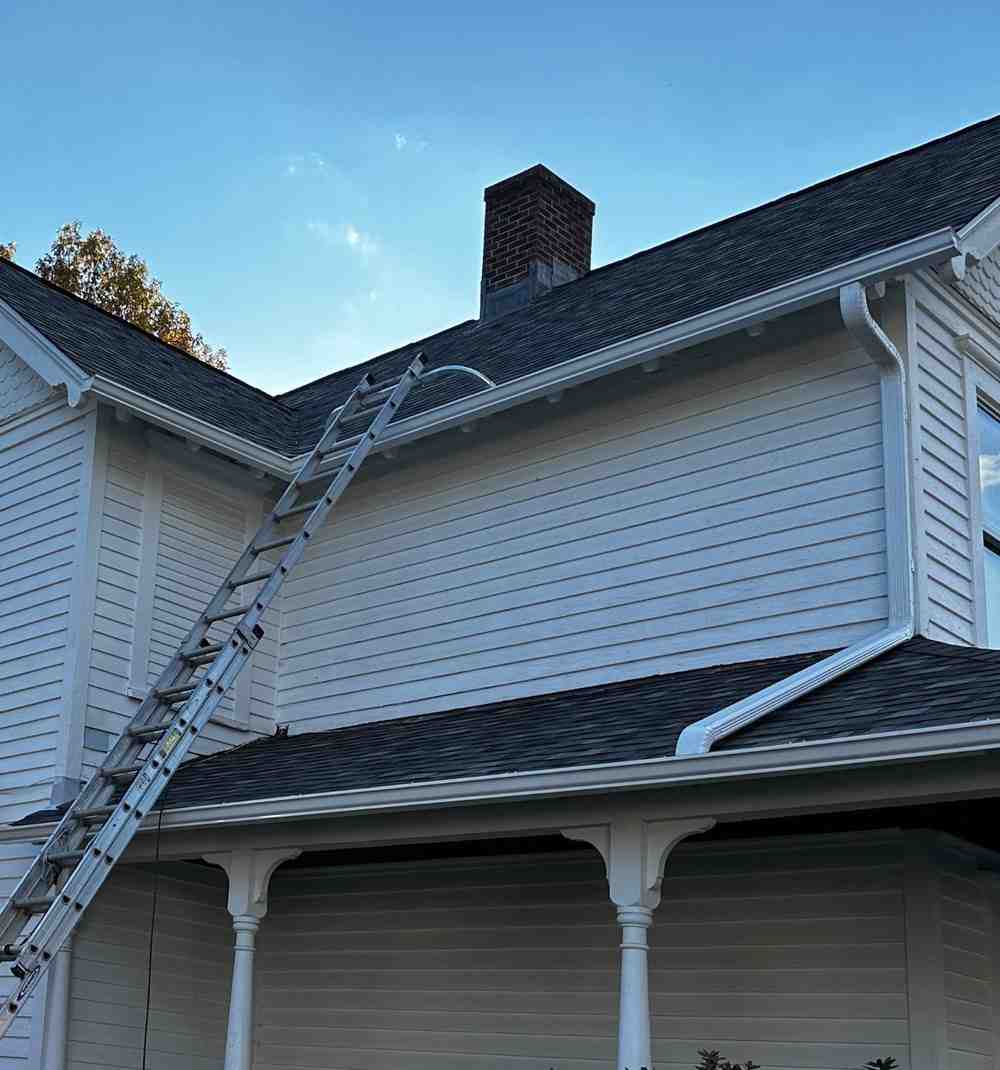

The Critical Role of Regular Roof Inspections
Roof inspection services are professional evaluations of your roof’s condition to identify damage, assess structural integrity, and prevent costly repairs.
Quick Answer: What are roof inspection services?
Roof inspection services are professional assessments that:
- Check for damage, leaks, and structural issues
- Cost between $75-$900 (average $225)
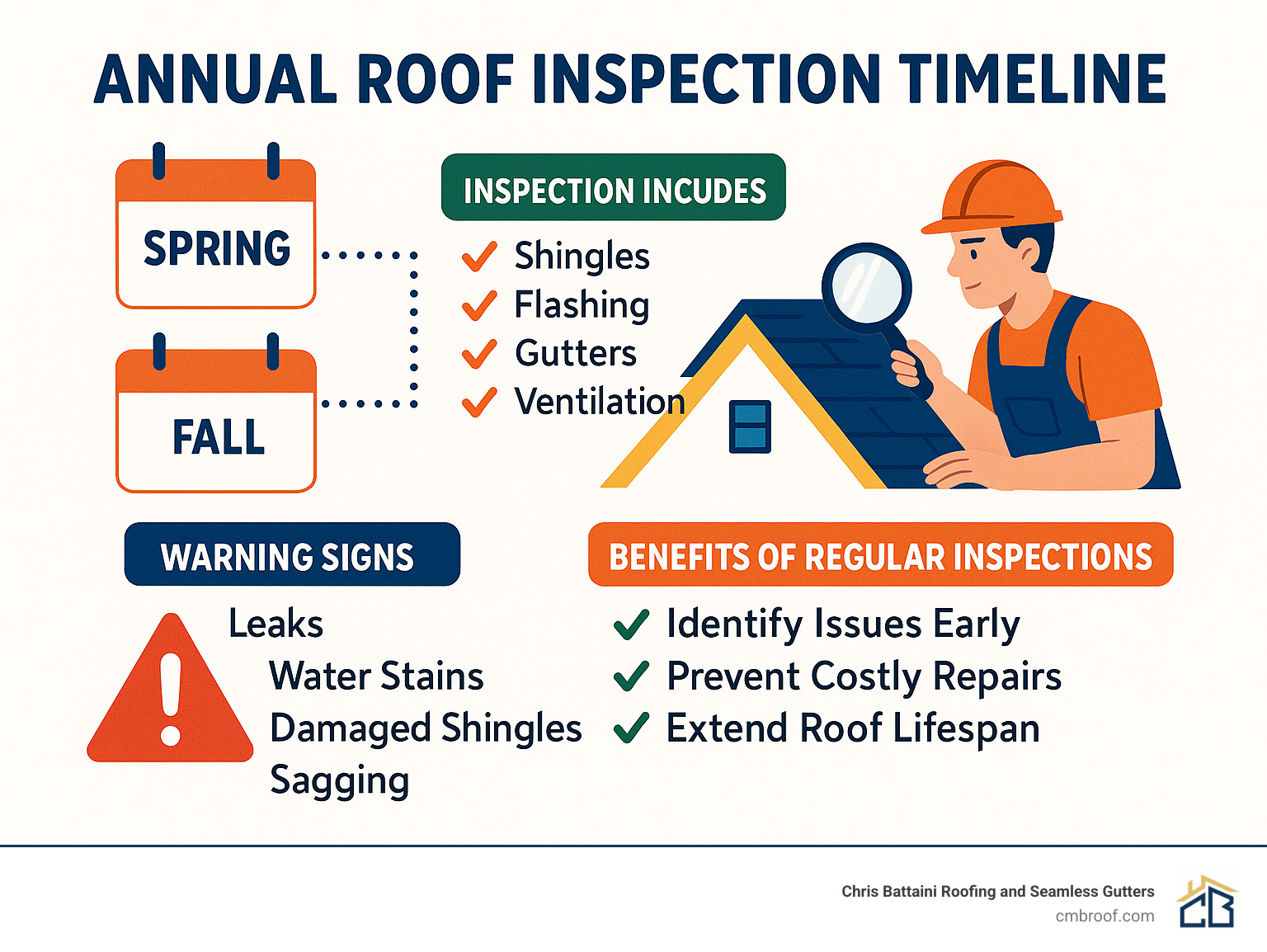
- Should be performed twice yearly (spring & fall)
- Include evaluation of shingles, flashing, ventilation, and more
- Help extend roof lifespan and maintain warranty coverage
Your roof is your home’s first line of defense against the elements. Yet most homeowners don’t think about it until there’s a problem. By then, what might have been a simple fix can turn into an expensive nightmare.
According to the National Roofing Contractors Association, you should have your roof inspected twice a year – ideally in fall and spring. These regular check-ups can add years to your roof’s life and save you thousands in potential damage.
“About 90% of homes in the U.S. have inadequately ventilated attics,” says one industry report. This single issue can lead to premature roof failure, mold growth, and higher energy bills.
A thorough roof inspection covers more than just the surface. It examines:
- Shingles or roofing materials
- Flashing around vents, chimneys, and joints
- Gutters and drainage systems
- Ventilation efficiency
- Signs of water intrusion
- Structural integrity
The right inspector makes all the difference. Independent professionals offer unbiased assessments, while roofing contractors bring hands-on installation expertise. Either way, you need someone who will physically get on your roof – not just use binoculars from the ground.
Don’t wait for leaks to appear. By then, hidden damage has often already occurred. Regular inspection is the smart, proactive approach to roof maintenance.
Roof inspection services terms you need:
Why Inspections Matter
Regular roof inspections are about more than just spotting leaks. They’re about extending your roof’s lifespan, which can range from 20-50 years depending on materials and maintenance. When you consider that a complete roof replacement can cost thousands of dollars, the value of preventative maintenance becomes clear.
Beyond protecting your investment, proper roof maintenance affects your home’s energy efficiency. Damaged or improperly ventilated roofs allow heat to escape in winter and enter in summer, increasing your energy bills by up to 20%.
Insurance companies are also paying closer attention to roof condition. Many policies now require proof of regular maintenance and inspections. Some insurers even offer discounts for well-maintained roofs, while others might deny claims for damage to neglected roofs.
How This Guide Works
We’ve created this straightforward guide with 7 actionable tips to help you choose the right roof inspection services for your home or business in Berkshire County and Southern Vermont. Each tip includes practical criteria you can use to evaluate potential inspection providers.
Our focus is on what matters most for property owners in our region, where weather conditions can be particularly harsh on roofing systems. From heavy snow loads in winter to summer storms, roofs in our area face unique challenges that require specialized knowledge to properly assess.
1. Verify Licensing, Insurance & Certifications
When it comes to your home’s protection, you wouldn’t trust just anyone with your roof. That’s why checking credentials should be your first step when hiring roof inspection services.
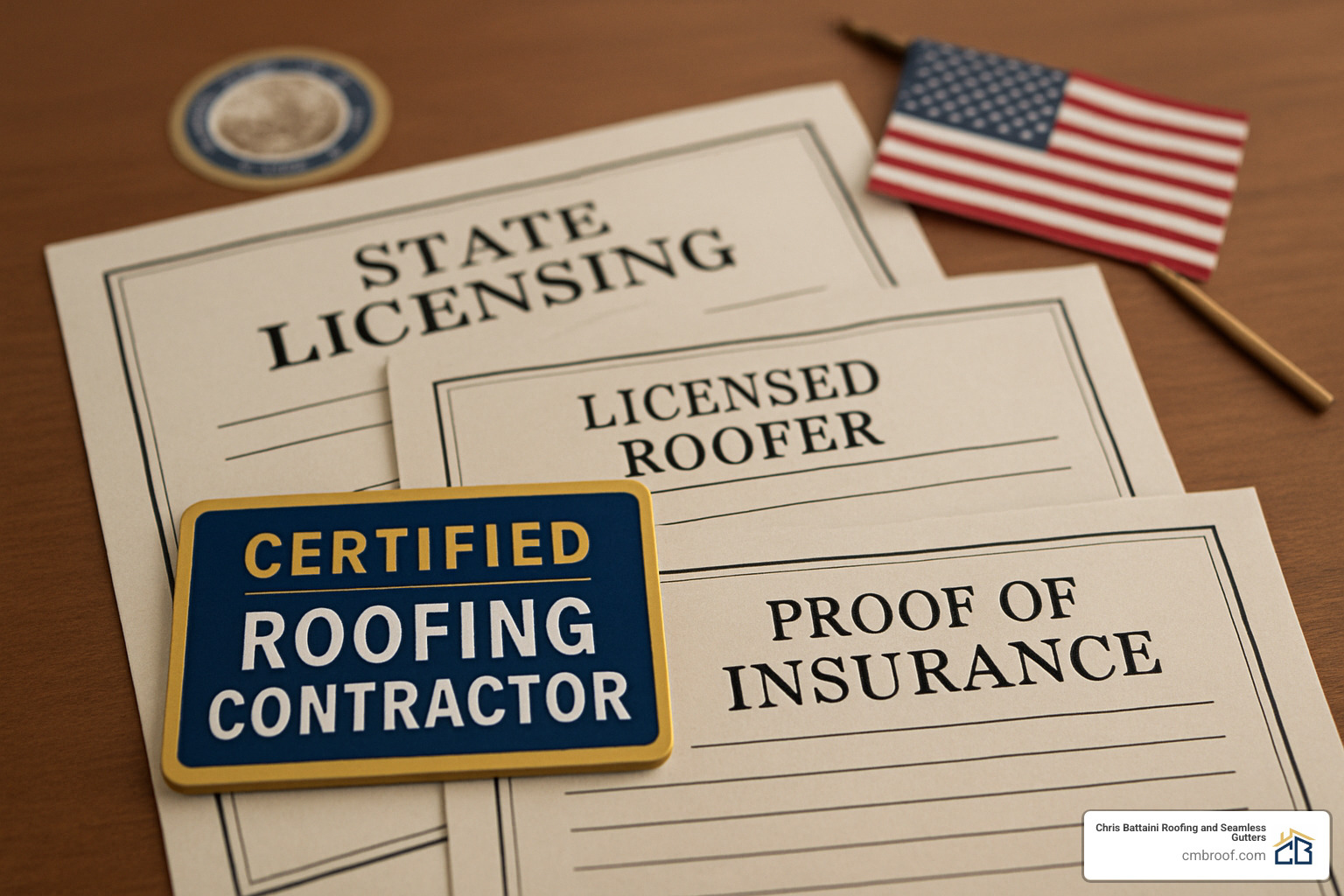
Think of credentials as your safety net. A professional roof inspector should readily provide their state licensing (where required by law), proof of both general liability and workers’ compensation insurance, and relevant professional certifications. These aren’t just fancy pieces of paper – they’re your guarantee that the person climbing on your roof knows what they’re doing.
“Qualified home inspectors follow American Society of Home Inspectors standards,” explains one veteran with over 50 years in the industry. This standardized approach ensures nothing gets missed during your inspection.
Look specifically for certifications from respected organizations like the National Roof Certification and Inspection Association (NRCIA). These credentials show the inspector has invested in specialized training and commits to industry best practices. This matters because, as one expert cautions, “About 70% of roofs fail initial inspections.” With odds like that, expertise makes all the difference.
Safety should never be an afterthought. Your roof inspector will be working at height on potentially slippery surfaces. Proper OSHA compliance and safety training protect both the inspector and your property from accidents. Whether you’re choosing an independent inspector or one who works for a roofing contractor, these safety standards are non-negotiable.
Must-Have Paperwork
Before anyone sets foot on your ladder, ask to see their paperwork. Any reputable provider of roof inspection services will happily show you:
Their current insurance certificates (check those dates!)
State license numbers where applicable
Professional certification documentation
Safety training verification
Don’t feel awkward asking for these documents – professionals expect it and respect homeowners who do their homework. If someone seems reluctant or makes excuses, that’s your cue to keep looking. The right inspector understands that your due diligence protects both of you.
The person inspecting your roof today might be the one you call when you need repairs tomorrow. Starting with proper verification ensures you’re building a relationship with a qualified professional who’ll keep your roof – and your home – safe for years to come.
2. Look for Experience With Your Roof Type

Your roof has its own personality and quirks, just like your home. That’s why finding an inspector who truly understands your specific roofing material is crucial. Think about it – would you want a doctor who specializes in feet examining your heart?
“There are over 100 different roofing systems,” as one seasoned roof consultant puts it. This diversity means the person inspecting your asphalt shingles should have different expertise than someone examining a commercial membrane roof.
Asphalt shingles might be common, but they have their own set of potential issues – from granule loss to improper nailing patterns. A qualified inspector knows exactly where to look.
Metal roofing requires understanding of expansion and contraction issues, fastener integrity, and specialized flashing techniques.
Slate roofs are in a league of their own. These beautiful, long-lasting roofs need an inspector who can spot hairline cracks invisible to untrained eyes, recognize natural aging patterns, and understand historical installation methods. Many slate issues are subtle until they become major problems. If you have a slate roof, you might want to explore more information about slate roofing repair.
Commercial buildings with flat or low-slope roofs present entirely different challenges. These inspections often involve core sampling – where small sections are removed to examine all layers of the roofing system. Your inspector should be comfortable with this technique if you have a commercial property.
Ask the Right Questions
When you’re interviewing potential roof inspectors, don’t be shy. Ask them directly: “How many roofs like mine have you inspected in the last year?” Their answer will tell you volumes about their relevant experience.
Follow up with questions about manufacturer training. Many quality roofing material manufacturers offer specialized training programs, and inspectors who’ve completed these have valuable insider knowledge.
The Berkshire County and Southern Vermont climate creates unique challenges for roofs – from heavy snow loads to dramatic freeze-thaw cycles. A good inspector will understand how these local conditions affect your specific roof type. Ask them: “What are the most common issues you find with this type of roof in our climate?”
Finally, request references from clients with similar roofs. A confident, experienced inspector will gladly connect you with satisfied customers who can vouch for their expertise with your roof type.
Your roof is a significant investment. Finding an inspector who speaks your roof’s language isn’t just smart – it’s essential for protecting your home and your wallet.
3. Demand a Comprehensive Multi-Point Checklist
When it comes to protecting your home, you deserve nothing less than a thorough examination of your roof. Professional roof inspection services should follow a methodical approach that leaves no stone unturned – or in this case, no shingle unchecked.
Think of a roof inspection like a health checkup for your home’s protective shield. Just as you’d want your doctor to be thorough, your roof inspector should be equally comprehensive.
| Inspection Type | What’s Included | Best For | Typical Cost Range |
|---|---|---|---|
| Visual Inspection | External roof surface, obvious damage, missing shingles | Regular maintenance, quick assessments | $75-$200 |
| Drone Inspection | Aerial imagery, hard-to-reach areas, overview documentation | Large or steep roofs, detailed documentation | $150-$400 |
| Forensic Inspection | Core sampling, moisture readings, infrared scanning, attic examination | Insurance claims, litigation support, detecting hidden damage | $300-$900 |
I’ve seen many homeowners breathe sighs of relief when shown areas of their roof that needed attention before they turned into expensive disasters. The National Roofing Contractors Association recommends that every inspection include a thorough examination of your shingles or roofing material condition, all flashing around chimneys and vents, your gutters and downspouts, soffits and fascia, and even your attic for signs of leaks or ventilation issues.
As one seasoned inspector put it, “Relying on binoculars limits visibility; qualified inspectors follow standards requiring roof access.” This means the person you hire should physically get on your roof when safety permits – not just eyeball it from your driveway with a pair of binoculars.
Watch out for signs of moss, algae, or pooling water, which can indicate bigger problems brewing beneath the surface. Your inspector should also check for structural issues like sagging or uneven roof planes that might signal more serious concerns.
Inside the Checklist
A quality report from professional roof inspection services should feel like a complete story of your roof’s health, not just a hastily scribbled note. Here’s what you should expect:
Detailed photographs should document all findings – good and bad – so you can see exactly what the inspector sees. Many top-tier services now include 3D models or drone imagery to provide comprehensive views of areas that might otherwise be difficult to access or visualize.
Your report should clearly identify all problem areas with recommendations for repairs, including which issues need immediate attention and which can wait. A good inspector will also give you an estimated remaining lifespan for different roof components, helping you plan for future expenses.
For example, Crawford Inspection Services provides same-day roof inspection reports and guarantees accuracy with 3D modeling for precise measurements. This level of detail helps you understand exactly what’s happening up there, even if you never climb the ladder yourself.
If you’re considering a new roof altogether, understanding the inspection process provides valuable context for what goes into proper roof installation.
A good inspection isn’t just about finding problems – it’s about giving you peace of mind and a clear roadmap for maintaining one of your home’s most valuable assets.
4. Ask About Reporting & Turnaround Time in Roof Inspection Services
Even the most thorough roof inspection is only as good as the report you receive afterward. When choosing an inspector, don’t just focus on their inspection skills—pay attention to how and when they’ll deliver your results.
Top-quality roof inspection services provide comprehensive documentation that tells the complete story of your roof’s condition. This typically includes detailed written assessments that explain problems in plain language, along with captioned photographs that visually document every issue they find.
“Most inspections are completed within one to two hours, depending on the size and complexity of the roof,” notes one industry expert. But there’s often a gap between inspection completion and report delivery that varies widely between providers.
Some inspection companies pride themselves on same-day reporting, while others might keep you waiting 3-4 business days. If you’re dealing with an active leak or preparing an insurance claim, this timing difference matters tremendously. Be sure to ask upfront when you can expect your report.
Today’s leading inspectors have acceptd technology to improve their reporting. Digital delivery through email or secure cloud storage makes it easy to share reports with contractors or insurance companies. Many now include 3D modeling and drone photography that provide incredible detail and accuracy compared to traditional methods.
What a Pro Report Includes
A truly professional roof inspection report should feel like a complete health assessment for your roof—not just a quick checklist.
Your report should contain a detailed damage map showing exactly where problems exist, making it easier for repair crews to locate and fix issues efficiently. Look for reports that include life-expectancy estimates for different roof components, helping you plan for future expenses.
Prioritized repair recommendations are invaluable, clearly separating urgent fixes from those that can wait. This helps you budget sensibly and address the most critical problems first. Your report should also document proper and improper installation details, note any code compliance issues, and include thorough assessments of your ventilation and gutter systems.
The National Roofing Contractors Association’s recommendations emphasize thorough documentation not just for immediate use, but for warranty protection and future reference. These detailed reports become part of your home’s maintenance history.
As one experienced inspector explains, “Your roof inspector will provide a detailed report with recommendations for necessary repairs; addressing issues promptly can prevent more costly damage.” This proactive approach often saves homeowners thousands in avoidable damage over time.
When evaluating potential inspectors, ask to see a sample report. The quality of this document speaks volumes about the thoroughness and professionalism you can expect from their roof inspection services.
5. Understand the Cost Structure Upfront
What should you expect to pay for roof inspection services? Typically, prices range between $75 and $900, with most homeowners paying around $225. But like most home services, the final cost depends on several factors that are worth understanding before you schedule.
Your roof’s size naturally impacts the price—larger roofs take longer to inspect thoroughly. Pitch matters too, as steeper roofs require specialized safety equipment and take more time to steer safely. A simple walkable roof might fall at the lower end of the price spectrum, while a steeply pitched Victorian with multiple dormers could push toward the higher end.
Accessibility issues can also affect your bottom line. If your roof is difficult to reach—perhaps surrounded by landscaping that limits ladder placement or requires special equipment to access—expect additional charges to compensate for the extra time and effort.
Many inspectors now offer technology-improved inspections using drones, infrared cameras, or moisture meters. While these tools provide more detailed information, they typically come with premium pricing. The good news? They often catch problems that might be missed in traditional visual inspections.
Note: These are average costs based on internet data and not actual costs for Chris Battaini Roofing and Seamless Gutters.
As one homeowner finded: “I paid extra for infrared scanning and it revealed water trapped beneath my membrane roof that wasn’t visible to the naked eye. That $200 upgrade saved me thousands in potential structural repairs.”
Some roofing contractors offer “free” inspections, which sounds appealing until you understand the business model. These companies often hope to secure repair work, which may influence their assessment. Independent consultants who don’t sell repair services typically charge for inspections but provide truly objective recommendations without the conflict of interest.
Hidden Fee Checklist
Before signing on with any inspection service, ask about potential additional charges that might not appear in the initial quote. Some companies charge extra for:
- Follow-up inspections after repairs
- Specialized imaging like drone or infrared scanning
- Travel fees for properties outside their standard service area
- Expedited reporting for urgent situations
- Technical procedures like core sampling on commercial roofs
Smart homeowners often take advantage of seasonal promotions for roof inspection services. Many companies offer discounts during their slower periods—typically early spring or late fall—when the weather is mild but they’re not yet swamped with emergency repairs.
When budgeting, the inspection is just the first step. Setting aside funds for potential repairs identified during the inspection will leave you better prepared to address issues promptly. As the old saying goes: “An ounce of prevention is worth a pound of cure”—especially when it comes to protecting your home’s most critical defense system.
6. Evaluate Independence vs Contractor-Provided Inspections
When it comes to choosing roof inspection services, one of the most fascinating dilemmas homeowners face is deciding between an independent consultant or a roofing contractor. This choice isn’t just about who shows up at your door—it’s about the entire approach to your roof’s health.
Independent roof consultants bring a unique perspective to your inspection. Since they don’t sell roofing materials or installation services, they have no financial stake in finding problems that need fixing. This creates a refreshingly transparent relationship where you can trust that their recommendations come without hidden motives. As one consultant puts it, “When you need a trusted advisor to tell you the true condition of your roof and what to do,” an unbiased third party provides clarity without the sales pressure.
These independent experts often specialize in forensic analysis—think of them as roof detectives, equipped with advanced diagnostic tools to uncover hidden issues. They’re particularly valuable for insurance claims or legal disputes, where their impartial testimony carries significant weight.
On the flip side, roofing contractors bring something equally valuable to the table: hands-on installation experience. They’ve climbed countless roofs, hammered thousands of shingles, and seen how different materials weather over time. This practical knowledge can be invaluable when assessing your roof’s condition.
Many contractors offer free or discounted inspections, which can be budget-friendly. Plus, if they spot a minor issue during inspection—a loose flashing or displaced shingle—they can often fix it on the spot. There’s something reassuring about the one-stop-shop approach when your home’s protection is at stake.
Pros & Cons
The independent consultant route shines in situations requiring absolute objectivity. There’s no conflict of interest clouding their judgment, and they’re specialists in assessment rather than sales. Many have extensive experience working with insurance companies and bring sophisticated diagnostic equipment to detect problems invisible to the naked eye.
However, this approach means paying separately for the inspection, and when repairs are needed, you’ll need to hire a different company to perform them. It’s a bit like having a medical specialist diagnose your condition but sending you elsewhere for treatment.
Roofing contractors, with their practical knowledge and immediate repair capabilities, offer convenience and continuity. The same team that identifies issues can fix them, creating a seamless experience. Many contractors truly care about building long-term relationships with clients, leading to honest assessments.
The potential downside? The inherent conflict of interest—the same company diagnosing problems also profits from the repairs. Most contractors operate with integrity, but it’s a consideration worth weighing.
For ongoing protection and warranty validation, understanding your options is crucial. Learn more about our approach to warranty and guarantee.
Your specific situation should guide your choice:
- Real estate transactions or insurance claims typically benefit from an independent consultant’s impartiality
- Routine maintenance or when you already suspect repairs might be more efficiently handled by a contractor
- For significant investment properties, consider both approaches—a second opinion never hurts when protecting a valuable asset
Whether independent or contractor-based, quality roof inspection services deliver peace of mind that’s worth every penny. The right inspector helps you protect not just your roof, but everything beneath it.
7. Prioritize Safety & Technology Integration

Gone are the days when roof inspections meant a person with a clipboard precariously balancing on your rooftop. Today’s roof inspection services blend old-school expertise with impressive technology that makes the process safer, more thorough, and incredibly detailed.
When I talk with homeowners in Berkshire County, many are surprised to learn how technology has transformed what used to be a fairly basic service. The best inspectors now arrive with an arsenal of high-tech tools that protect both them and your roof.
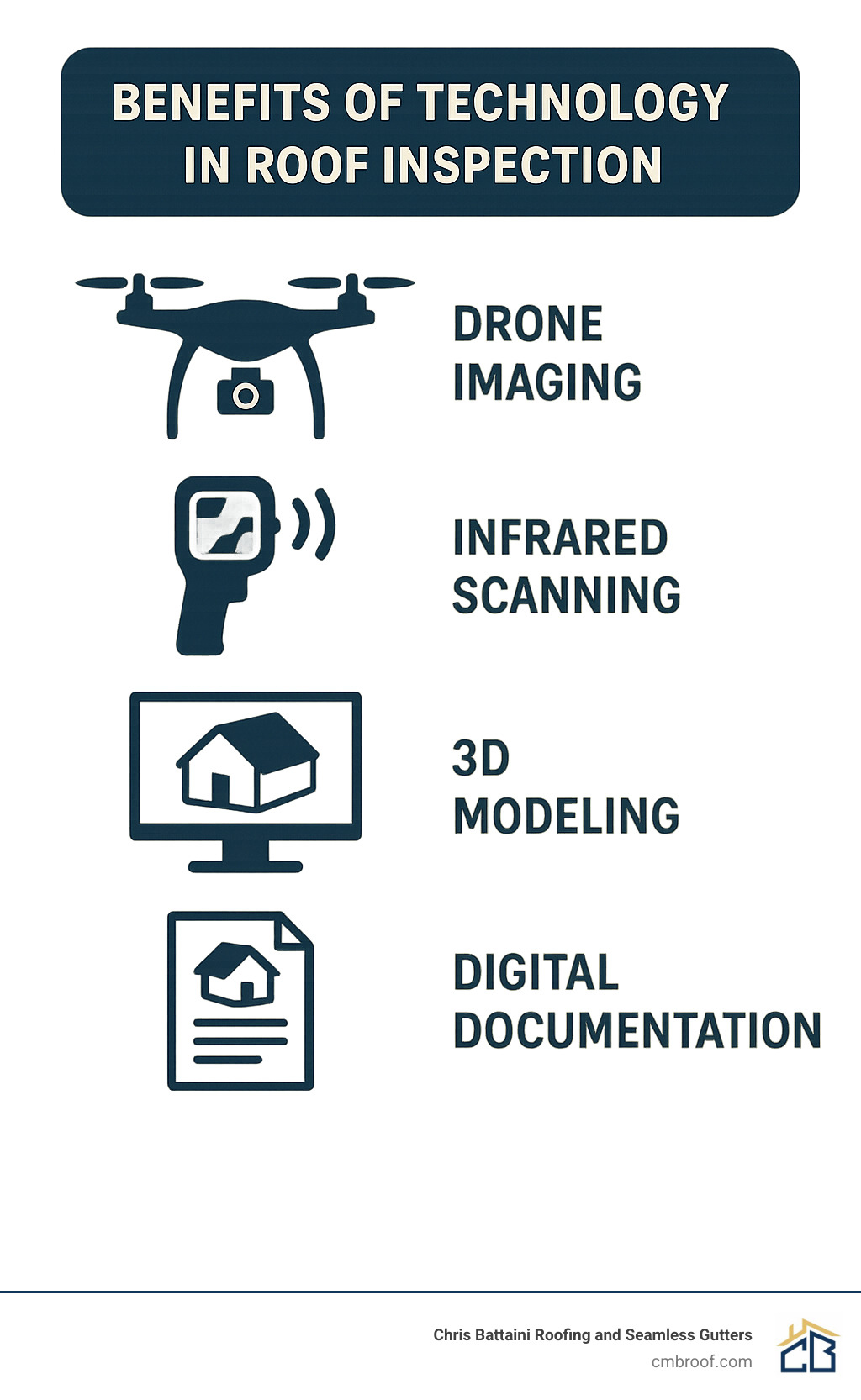
Drones have revolutionized the inspection process, especially for steep or particularly tall roofs. These flying cameras capture detailed imagery without putting anyone at risk, and they can access areas that might be dangerous to reach on foot. One homeowner told me, “I was amazed watching the drone hover near my chimney—an area my previous inspector never even checked!”
Infrared scanning is another game-changer. These specialized cameras detect temperature differences that indicate trapped moisture or insulation problems—issues completely invisible to the naked eye. By the time you see water stains on your ceiling, significant damage has often already occurred.
The most tech-savvy inspectors also use 3D modeling to create a digital twin of your roof. This provides precise measurements and a comprehensive view that’s invaluable for planning repairs or eventually replacing your roof.
Safety protocols remain essential, of course. Professional inspectors should arrive with fall protection systems, proper ladder equipment, roof anchors, and specialized footwear that won’t damage your shingles. If someone shows up without these basics, consider it a red flag.
“We won’t compromise on safety,” explains one veteran inspector. “If weather conditions aren’t right or we need additional equipment to inspect safely, we’ll reschedule rather than take shortcuts.”
Future-Proof Your Roof
Smart homeowners are increasingly thinking about their roofs as assets that require ongoing documentation. A technology-improved inspection creates a valuable baseline record of your roof’s condition—think of it as a “birth certificate” for your roof.
This baseline becomes incredibly valuable after severe weather events. When that surprise hailstorm hits, you’ll have concrete evidence of your roof’s pre-storm condition, making insurance claims much smoother. As one local adjuster told me, “Homeowners with documented inspections typically receive faster claim approvals.”
The digital documentation also helps track your roof’s aging process. Minor issues that appear in successive inspections can be monitored before they become major problems. This proactive approach typically adds years to your roof’s lifespan.
For those planning to sell their home in the future, a well-documented history of professional inspections with high-tech verification significantly increases buyer confidence. Real estate agents consistently report that homes with proven roof maintenance histories command higher prices and sell faster.
The technology integration doesn’t stop with the inspection itself. Many roof inspection services now offer secure digital vaults where all your roof documentation is stored and accessible whenever you need it. This creates a continuous record that stays with your home, even through ownership changes.
As one homeowner put it, “The peace of mind alone was worth every penny. I know exactly what’s happening up there now, and I have a plan for addressing issues before they become emergencies.”
Frequently Asked Questions about Roof Inspection Services
How often should I schedule roof inspection services?
The National Roofing Contractors Association recommends having your roof inspected twice a year—typically in fall and spring. This schedule makes perfect sense when you think about it: fall inspections prepare your roof for the harsh winter ahead, while spring checks catch any damage that occurred during those cold months.
That said, not every roof needs the same attention. If yours is relatively new (under 5 years) and in good shape, you might be fine with inspections every 2-3 years. But for older roofs or homes in areas with extreme weather—like our Berkshire County winters—sticking to that twice-yearly schedule is your best protection.
Roof inspection services become especially important after severe weather events. As one seasoned inspector told me, “The day after a hailstorm is too late to wish you’d kept up with maintenance.” Always schedule an additional inspection after high winds, hailstorms, or unusually heavy snow loads—even if you just had your regular check-up.
What signs mean I need an inspection right away?
Sometimes your roof will tell you it needs attention before your scheduled inspection rolls around. Don’t ignore these warning signs:
Water stains on your ceiling or walls often appear far from the actual leak source, making them particularly tricky to diagnose yourself. I’ve seen homeowners patch the wrong area repeatedly while the real problem continued to worsen.
Missing, cracked, or curling shingles expose your roof to water damage, while granules in gutters indicate your asphalt shingles are deteriorating. If you notice your roof deck sagging or can see daylight through roof boards when you’re in your attic, you need professional help immediately—these are signs of structural issues.
Even subtle changes like an unexplained increase in energy bills can signal ventilation problems with your roof system. And that innocent-looking moss or algae growth? It traps moisture against your roof and accelerates deterioration.
One roofing professional I spoke with pointed out something many homeowners miss: “Leaves on roofs absorb moisture like sponges and can undermine both asphalt shingles and commercial membranes.” Even debris that seems harmless can signal the need for a thorough check-up.
Is it safe to inspect my roof myself?
While there’s certainly value in keeping an eye on your roof, there’s a big difference between a casual observation and a professional inspection. As one industry expert bluntly puts it, “Even general home inspectors often aren’t qualified for proper roof inspections—many don’t even go on the roof.”
If you want to do a preliminary self-assessment, stay safe by:
- Using binoculars from ground level to spot obvious issues
- Checking your attic for water stains or beams of daylight
- Looking for debris buildup in valleys and gutters
- Never walking on wet, icy, or snow-covered surfaces
Many roofing warranties require documentation of professional roof inspection services to remain valid. Your DIY observations should complement—never replace—expert assessments.
The reality is that professional inspectors bring specialized training and equipment that simply isn’t available to most homeowners. They know exactly where to look and what subtle signs indicate developing problems. When you consider that catching a small issue early might save you thousands in repairs later, professional inspections become one of the best investments you can make in your home’s longevity.
Chris Battaini Roofing and Seamless Gutters services Berkshire, Hampden, Hampshire, and Franklin Counties in Massachusetts.
Conclusion
Protecting your home starts at the top, and that’s why choosing the right roof inspection services matters so much. After all, your roof quietly shields everything you value from the elements day after day, year after year.
By following our seven straightforward tips, you’re now equipped to make smarter choices about who inspects your roof and how they do it. Regular professional inspections aren’t just an expense—they’re an investment that pays dividends through extended roof life and avoided repair costs.
Think of professional inspections as preventive medicine for your home. They catch small issues before they become costly nightmares, provide crucial documentation for insurance claims, and create a paper trail that can significantly boost your home’s value when it’s time to sell.
Here in the Berkshires and Southern Vermont, our roofs face unique challenges—heavy snow loads, freeze-thaw cycles, summer storms, and everything in between. Local expertise matters when it comes to understanding how these conditions affect different roofing materials over time.
At Chris Battaini Roofing and Seamless Gutters, we bring that local knowledge to every inspection. Our owner-led approach means you get experienced eyes on your roof, not just whoever happens to be available that day. We back our assessments with strong workmanship warranties that give you genuine peace of mind.
We’re proud to serve homeowners and businesses throughout Berkshire, Hampden, Hampshire, and Franklin Counties in Massachusetts, as well as our neighbors in Southern Vermont. Whether you need a thorough inspection, minor repairs, or you’re considering a complete roof replacement, we’re here to help with honest assessments and quality craftsmanship you can trust.
For more information about our complete range of roofing services, visit our roofing services page.
A well-maintained roof doesn’t just protect your home—it protects your future. Now that you know what to look for in roof inspection services, you can move forward with confidence, knowing your home’s first line of defense is in good hands.