-
10 Wendell Ave Extension Pittsfield, MA 01201
-
210 Columbia St., Lee, MA 01238

Typing “flat roof builders near me” into a search engine is usually the first move when you need a new flat roof or a serious repair. As modern, low-slope roofs become more popular on both homes and commercial buildings, choosing a true flat-roof specialist matters more than ever. A qualified local pro will install the right system for your property and climate, protecting your investment for decades—while a careless installer can leave you dealing with recurring leaks, drainage issues, and unexpected repair bills.
This guide will walk you through everything you need to know, from materials and costs to finding a trustworthy local pro. A well-installed flat roof offers numerous advantages:
However, these benefits are only realized with proper installation. Flat roofs have unique drainage and waterproofing requirements that demand specialized knowledge. According to industry data, simple repairs can cost a few hundred dollars, but major issues stemming from poor installation can run into the thousands. That’s why choosing the right contractor from the start is critical.
I’m Christopher Battaini, owner of Chris Battaini Roofing & Seamless Gutters. With over two decades of roofing experience across Berkshire County, my team and I understand the specific challenges of flat roofing in our climate. We pride ourselves on delivering quality work backed by solid warranties, ensuring your peace of mind.
When we talk about “flat roofs,” we’re often referring to what the industry calls “low-slope” roofs. These roofs aren’t perfectly flat; they have a slight incline to facilitate drainage, typically between 1/4 inch and 3 inches of rise per foot. This subtle pitch is crucial for preventing water from pooling, which can lead to significant problems over time. Flat roofs are incredibly versatile, finding applications on everything from residential garages and patio overhangs to large commercial and industrial buildings like warehouses, office buildings, and retail centers. Their design makes them suitable for homes and businesses seeking a modern aesthetic or requiring functional rooftop space.
To truly understand what makes a good flat roof, explore the various materials available and their unique characteristics. Each material offers a different balance of durability, cost, and maintenance requirements, making the choice a critical one for any property owner. You can learn more about the different types of flat roofs available.
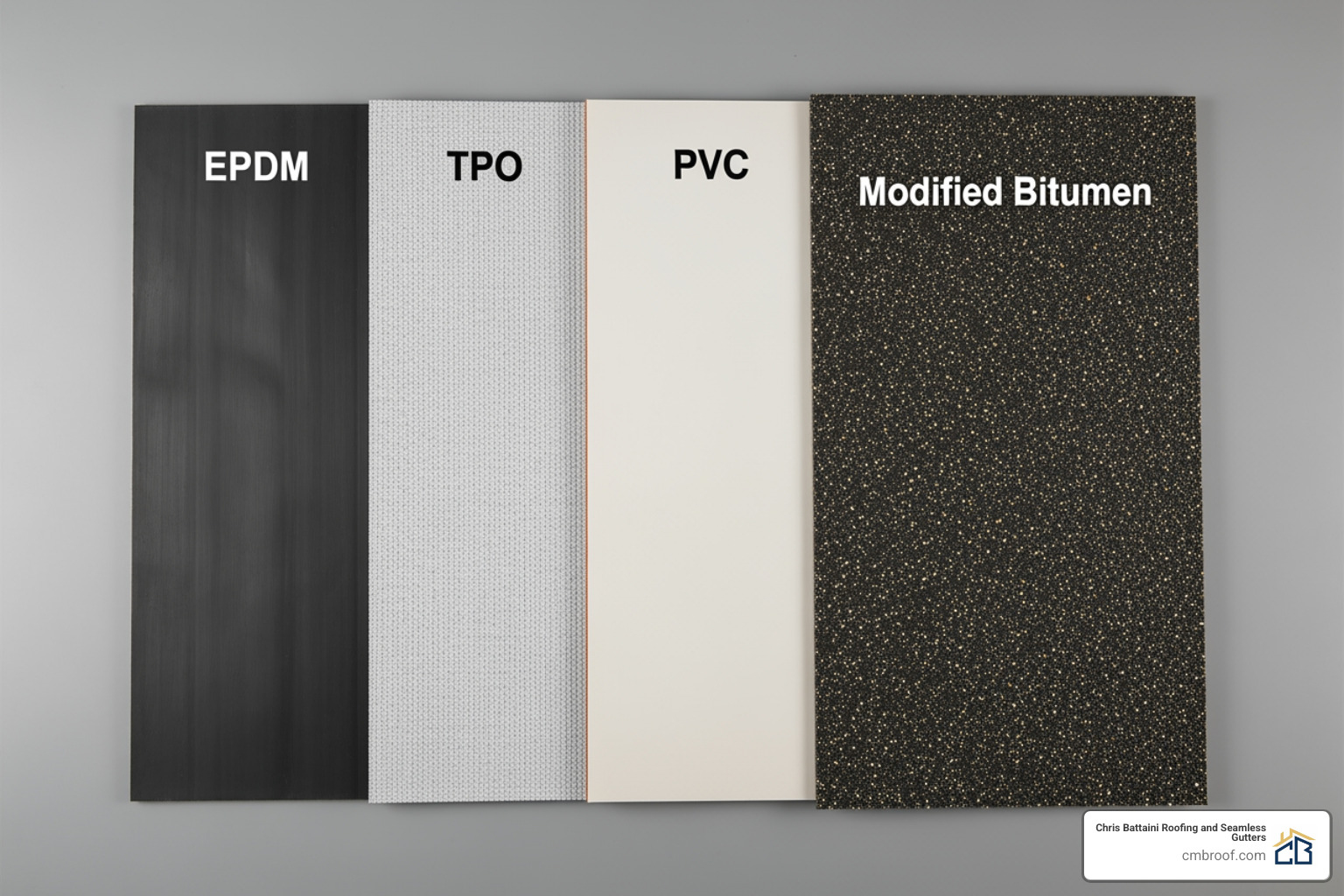
The landscape of flat roofing materials has evolved significantly, offering durable and energy-efficient options for both residential and commercial properties. We specialize in selecting the right material for your specific needs, considering the climate in Berkshire County, MA, and Southern Vermont, and the demands of your building. Let’s dig into the most common types:
| Material | Lifespan | Cost (Average) | Pros flat
Popularity of flat roofs; Residential and commercial applications; Modern aesthetics; Guide to finding a qualified local specialist; [INFOGRAPHIC] explaining the top 5 benefits of a flat roof.
When you hear “flat roof,” it’s important to know that these are technically low-slope roofs. They have a slight, carefully calculated pitch to ensure proper water drainage, preventing pooling and potential damage. This design is incredibly versatile, making it a popular choice for both modern homes and a wide range of commercial buildings. To make an informed decision, it’s crucial to understand the different types of flat roofs and the materials used.
The material you choose will significantly impact your roof’s longevity, performance, and cost. Here’s a breakdown of the most common options we work with at Chris Battaini Roofing & Seamless Gutters. For more in-depth technical information, you can consult resources from the National Roofing Contractors Association (NRCA).
| Material | Lifespan | Cost (Average) | Pros | Cons |
|---|---|---|---|---|
| EPDM (Rubber) | 20-30 years | Moderate | Durable, cost-effective, excellent for cold climates, and easy to repair. | Standard black color absorbs heat; can be susceptible to punctures. |
| TPO | 15-25 years | Moderate | Highly reflective and energy-efficient, puncture-resistant, and environmentally friendly. | Quality can vary between manufacturers; requires a perfectly clean surface for installation. |
| PVC | 20-30+ years | Higher | Extremely durable, fire-resistant, and excellent for resisting moisture and ponding water. Seams are heat-welded for superior strength. | Higher initial cost than EPDM or TPO; can become brittle in extreme cold if not properly formulated. |
| Modified Bitumen | 10-20 years | Moderate to High | Excellent tear-resistance and durability, making it great for high-traffic areas. | Shorter lifespan than single-ply membranes; installation can involve torches, requiring skilled professionals. |
For a deeper dive into these options, explore our guide to flat roofing materials.
Beyond their sleek, modern appearance, flat roofs offer several practical advantages:
These benefits make them a smart choice for many homeowners, and we specialize in residential flat roof construction that maximizes these advantages.
Proactive maintenance is key to extending the life of your flat roof. Ignoring small issues can lead to extensive damage and costly repairs. Call a professional if you notice any of the following signs:
If you see any of these warning signs, it’s time to seek professional roof leak repair.
Deciding between repairing or replacing your flat roof involves considering several factors. A professional assessment can help you determine the most cost-effective long-term solution.
We can help you evaluate your options with our expert commercial roof repair solutions or our residential flat roof replacement complete guide.
A search for “flat roof builders near me” will give you plenty of options, but choosing the right one requires careful vetting. A local contractor will have a better understanding of regional building codes and climate challenges, like the heavy snowfalls we experience in Berkshire County. For more tips, check out our ultimate roof contractors guide.
When evaluating potential contractors, look for these essential qualities:
Finding reliable local roofing contractors near me is easier when you know what to look for. For business owners, we also have a guide on how to hire the right commercial roofing contractor.
Before you sign a contract, make sure to ask any potential roofers near me these important questions:
Understanding the financial side of your roofing project is crucial for making a sound investment. While a new roof is a significant expense, choosing quality materials and a skilled installer provides the best long-term value. For a more detailed breakdown, review our residential flat roof cost complete guide.
The final price of a flat roof installation or repair can vary widely based on several factors:
Based on general industry data, minor repairs can range from $380 to $1,800, while major repairs or replacements can cost $7,000 or more. Please note that these are broad estimates and not a quote from Chris Battaini Roofing. The actual cost for your project will depend on the specific factors listed above. The only way to get an accurate price is to get free estimates.
A strong warranty is a sign of a contractor’s confidence in their work and the products they use. You should look for two types of warranties:
Always read the fine print to understand what is covered, for how long, and what might void the warranty. Learn more about our warranty guarantee and the peace of mind it provides.
Proper maintenance is key to maximizing the lifespan of your flat roof. Simple, regular checks can prevent small problems from becoming big ones.
Following these residential flat roof maintenance tips will help ensure your roof performs well for years to come.
The lifespan of a flat roof varies significantly depending on the material used, the quality of the installation, and how well it is maintained. Generally, you can expect:
For broader background on typical commercial roof life cycles, you can also review guidance from the National Roofing Contractors Association (NRCA). Regular maintenance can help extend the life of any roofing system.
Yes, flat roofs can perform very well in snowy climates like ours in Berkshire County, provided they are designed and installed correctly. The key is ensuring the structure can support the weight of heavy, wet snow and that the drainage system is robust and kept clear. Some materials, like black EPDM, can also help melt snow faster due to heat absorption. Professional installation is critical to ensure the roof can handle local weather conditions.
Absolutely. Flat roofs are often considered ideal for solar panel installations. They provide easy access for maintenance and allow for the panels to be mounted on racks at the perfect angle to maximize sun exposure. Before proceeding, have a structural engineer or qualified roofing contractor confirm that your roof can support the additional weight of the solar array. For more information, read about our roof installation process.
Choosing the right material and, more importantly, the right contractor is crucial for the longevity and performance of your flat roof. A well-installed roof protects your property, saves you money on energy bills, and provides peace of mind for decades. When you’re searching for “flat roof builders near me,” look for a team with proven expertise, strong local references, and a commitment to quality.
At Chris Battaini Roofing & Seamless Gutters, we bring over two decades of specialized experience to every project in Berkshire County, MA, and Southern Vermont. As an Owens Corning Platinum Preferred Contractor, a distinction earned by only the top tier of roofing professionals in the country, we are held to the highest standards of craftsmanship and customer service. Our owner-led, on-site approach ensures that every job is done right the first time. For expert flat roofing services, trust a certified professional.
Chris Battaini Roofing and Seamless Gutters proudly serves Berkshire County, MA.
Follow us on Facebook — https://www.facebook.com/chrisbattainiroofing
Need a reliable roofer? CMB Roofing provides licensed, insured, and professional roofing services for homeowners and businesses.
We stand by a simple promise: Clear estimates. Quality workmanship. Clean job sites.
From roof repairs and full replacements to storm damage restoration, our team delivers dependable results with durable materials, expert installation, and complete site cleanup.




Book your Spring installation now and save $500 on a complete roof and seamless gutter system.
Spring booking required for discount eligibility.
Mention code SPRING2026 during your estimate to qualify.
Valid for complete roof + gutter system installations only. Must book by April 1, 2026. Mention SPRING2026 at the estimate to qualify. Not combinable with other offers.