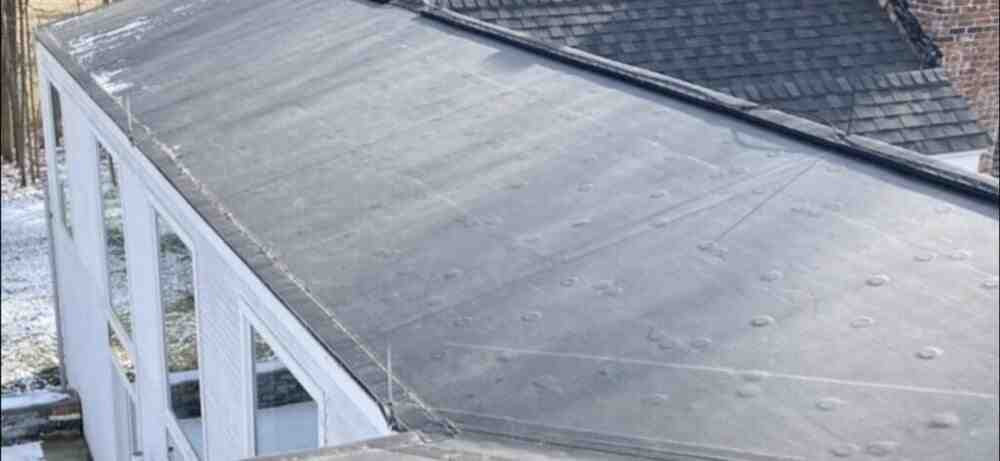

Residential Flat Roof Insulation: Master 3 Cozy Methods
Why Your Flat Roof Needs a Thermal Upgrade
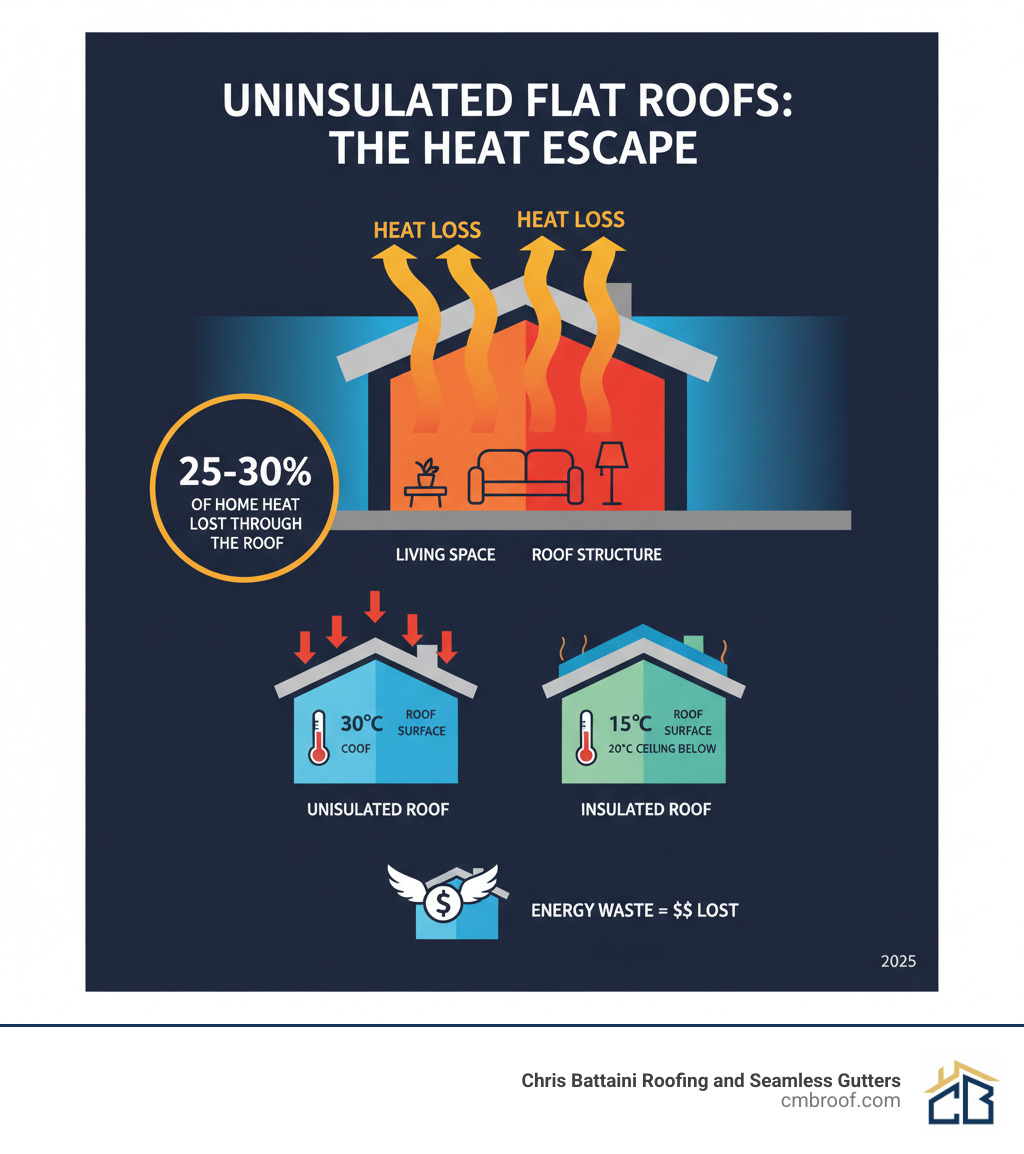
Residential flat roof insulation is a thermal barrier installed in your roof structure to prevent heat loss in winter and heat gain in summer. In an uninsulated home, the majority of heat is lost through the roof. As heat rises, your roofing area becomes the primary escape route for expensive heated or cooled air. This isn’t just about comfort—it’s about money walking out the door every single month.
Many flat roofs built from the 1950s to the 1980s were poorly insulated, often using outdated “cold roof” methods that lead to condensation and structural damage. Even if your roof looks fine, inadequate insulation could be costing you hundreds annually in wasted energy.
The best installation method is the warm roof method, where insulation sits above the roof deck. This modern standard prevents condensation, eliminates thermal bridging, and delivers superior energy efficiency. Professional contractors now recommend at least 6 inches of foam insulation board for proper flat roof protection in our climate. The investment pays for itself through lower utility bills, increased comfort, and a healthier home.
The Core Benefits of Insulating Your Flat Roof
Investing in quality residential flat roof insulation transforms your living experience, especially in Berkshire County and Southern Vermont, where weather extremes are the norm.
The most obvious benefit is energy savings. In a poorly insulated home, the heat you pay for escapes right through your roof. Quality insulation acts as a thermal blanket, keeping heat inside during winter and outside during summer. This means your HVAC system works less, and your utility bills drop significantly.
This leads directly to year-round comfort. Effective insulation eliminates cold spots and frustrating temperature swings, creating a stable, pleasant indoor environment no matter the weather.
Crucially, proper insulation provides moisture control and structural protection. In our cold climate, condensation can form inside your roof structure, leading to rot, mold, and compromised integrity. A modern insulation system keeps the roof deck warm, preventing condensation and protecting your home’s structure and your family’s health from hazardous mold growth. This extends the life of your roof and helps you avoid expensive repairs.
Finally, a well-insulated home has increased property value due to its lower running costs and improved comfort. As a bonus, many insulation materials also provide sound dampening, reducing noise from rain, hail, and neighborhood activity for a quieter home.
For more information on how we can improve your home’s exterior and protect your investment, check out our Roofing Services Near Me.

Understanding R-Value and Insulation Thickness
When shopping for insulation, you’ll encounter the term R-value, which measures thermal resistance. A higher R-value means the insulation is more effective at stopping heat transfer, leading to lower energy bills and greater comfort.
The International Residential Code (IRC) specifies minimum R-values based on climate zones. Our region is in a cold climate zone, requiring more stringent R-values (from R-25 to R-35) to prevent heat loss and control condensation. To achieve a higher R-value, you generally need thicker insulation. This is why professionals recommend at least 6 inches of foam insulation board for flat roofs in our climate. Skimping on R-value is not just inefficient—it invites moisture problems and structural damage, a fact supported by research from institutions like the Building Science Corporation.
For comprehensive solutions custom to your home’s needs, explore our Roof Installation services.
Common Materials for Residential Flat Roof Insulation
Choosing the right material for residential flat roof insulation depends on your budget, R-value needs, and specific performance goals.
- Polyisocyanurate (Polyiso): Offers one of the highest R-values per inch, making it ideal for achieving high thermal resistance without excessive thickness. It’s a top choice for warm roof applications.
- Extruded Polystyrene (XPS): Known for its durability and high resistance to moisture, XPS is excellent for roofs that may see foot traffic or for inverted roof designs.
- Expanded Polystyrene (EPS): The most cost-effective rigid foam, EPS provides good thermal performance and is often used to create tapered slopes for roof drainage.
- Spray Polyurethane Foam (SPF): Creates a seamless, airtight seal that conforms to any shape. Closed-cell SPF has a high R-value and acts as an excellent moisture barrier, adding structural rigidity.
- Mineral Wool (Stone Wool): A non-combustible option that offers superior fire resistance and sound dampening. It’s also vapor-permeable, allowing the structure to breathe.
- Wood Fiberboard: An eco-friendly choice made from recycled materials, it provides good thermal and acoustic performance while being vapor-permeable.
The right choice involves balancing cost, performance, and your roof’s specific requirements. At Chris Battaini Roofing and Seamless Gutters, we help homeowners steer these options to find the perfect fit.
Key Methods for Residential Flat Roof Insulation
How you insulate a flat roof is just as important as the material you use. The method impacts thermal performance, moisture control, and longevity. The two primary approaches are “warm roof” and “cold roof” construction, with one being the clear winner for modern homes.
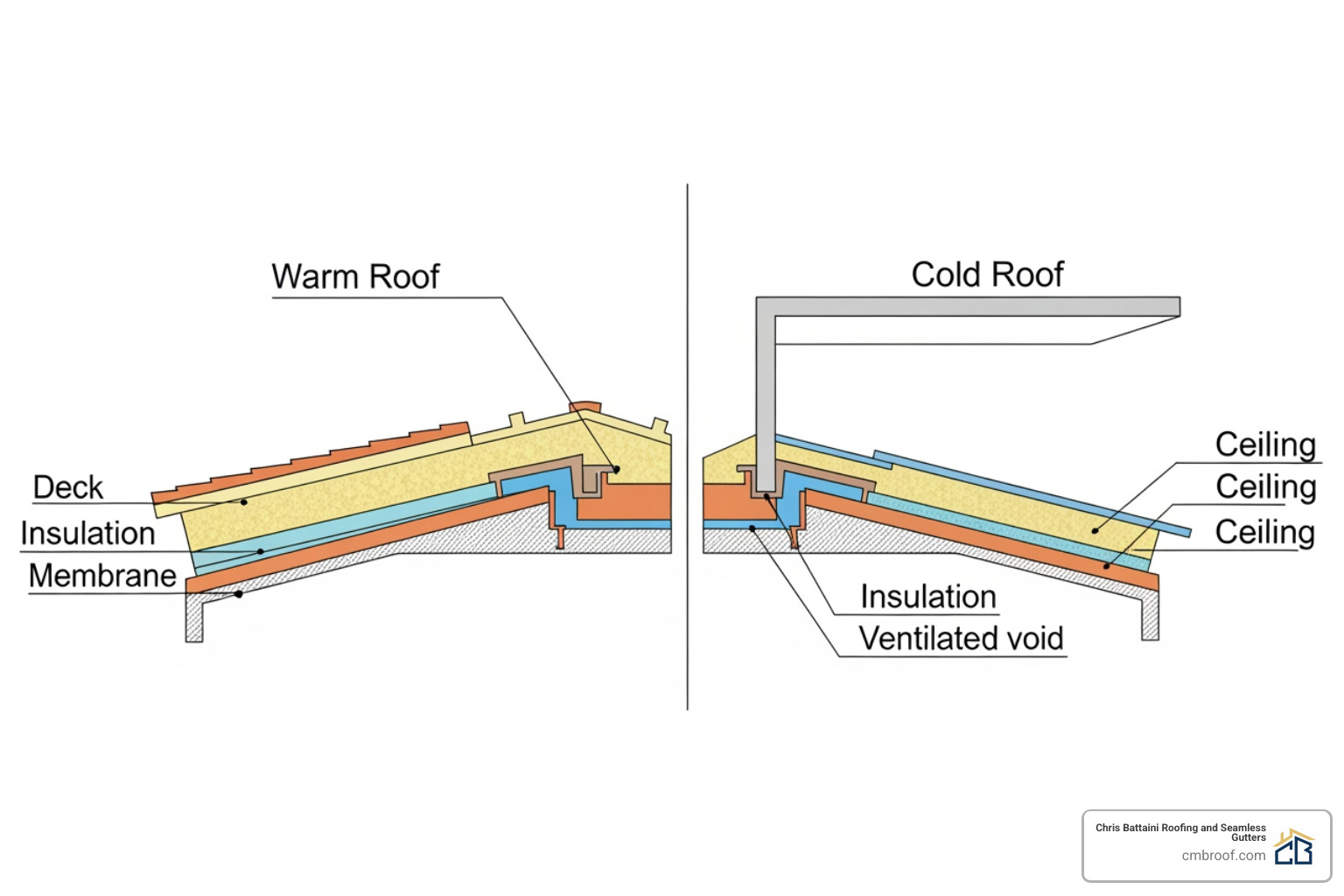
The key difference is the placement of the insulation relative to the roof deck and waterproofing membrane. Getting this wrong invites moisture problems that can destroy your roof from the inside out.
The Warm Roof Method: The Modern Standard
The warm roof is the gold standard for residential flat roof insulation, especially in cold climates like ours. In this system, the insulation sits above the structural roof deck, directly beneath the waterproofing membrane. A vapor control layer (VCL) is placed below the insulation on top of the deck.
This design creates a continuous thermal layer that eliminates thermal bridging through joists, ensuring consistent performance. Most importantly, it keeps the structural deck warm and above the dew point, preventing condensation. This protects against rot, mold, and structural damage while improving energy efficiency. Warm roofs are simpler, more reliable, and the recommended approach by building scientists.
For more information on sound structural practices, check out our guide to Residential Flat Roof Construction.
The Cold Roof Method: An Outdated Approach
The cold roof method, common decades ago, is now considered outdated and problematic. Here, insulation is installed between or below the roof joists, leaving the roof deck “cold” and exposed to exterior temperatures.
This design is highly prone to condensation. Warm, moist air from the home rises and condenses on the cold deck, leading to rot and mold. The design also suffers from thermal bridging, as heat escapes through the uninsulated joists. While a ventilation gap is required to manage moisture, it is often ineffective. For these reasons, building standards like BS 6229:2018 explicitly state that cold roof approaches “are not recommended.”
| Feature | Warm Roof Method | Cold Roof Method (Not Recommended) |
|---|---|---|
| Insulation Placement | Above the structural roof deck, below waterproofing | Between or below structural joists, at ceiling level |
| Thermal Bridging | Minimized or eliminated | Significant heat loss through joists, creating cold spots |
| Condensation Risk | Significantly reduced—deck stays warm | High risk—warm air condenses on cold deck |
| Ventilation | Generally not required | Essential but difficult to achieve effectively |
| Energy Efficiency | High, consistent performance | Lower, with heat loss through thermal bridges |
| Structural Integrity | Protected from moisture, longer lifespan | Vulnerable to rot and decay from condensation |
The Role of a Vapor Barrier
A vapor control layer (VCL), or vapor barrier, is a critical component in any residential flat roof insulation system in a cold climate. It is a material designed to stop water vapor from your home’s interior from moving into the roof assembly.
Without a VCL, warm, moist air can penetrate the insulation and condense on cold surfaces, causing interstitial condensation. This hidden moisture leads to rot, mold, and degraded insulation. In a warm roof, the VCL is placed on the warm side of the insulation (directly on the structural deck) to stop moisture before it can cause damage. Proper specification and installation are essential for protecting your roof and are a key part of a professional installation.
For comprehensive solutions for your flat roofing needs, explore our Residential Flat Roofing services.
Practical Considerations for Your Insulation Project
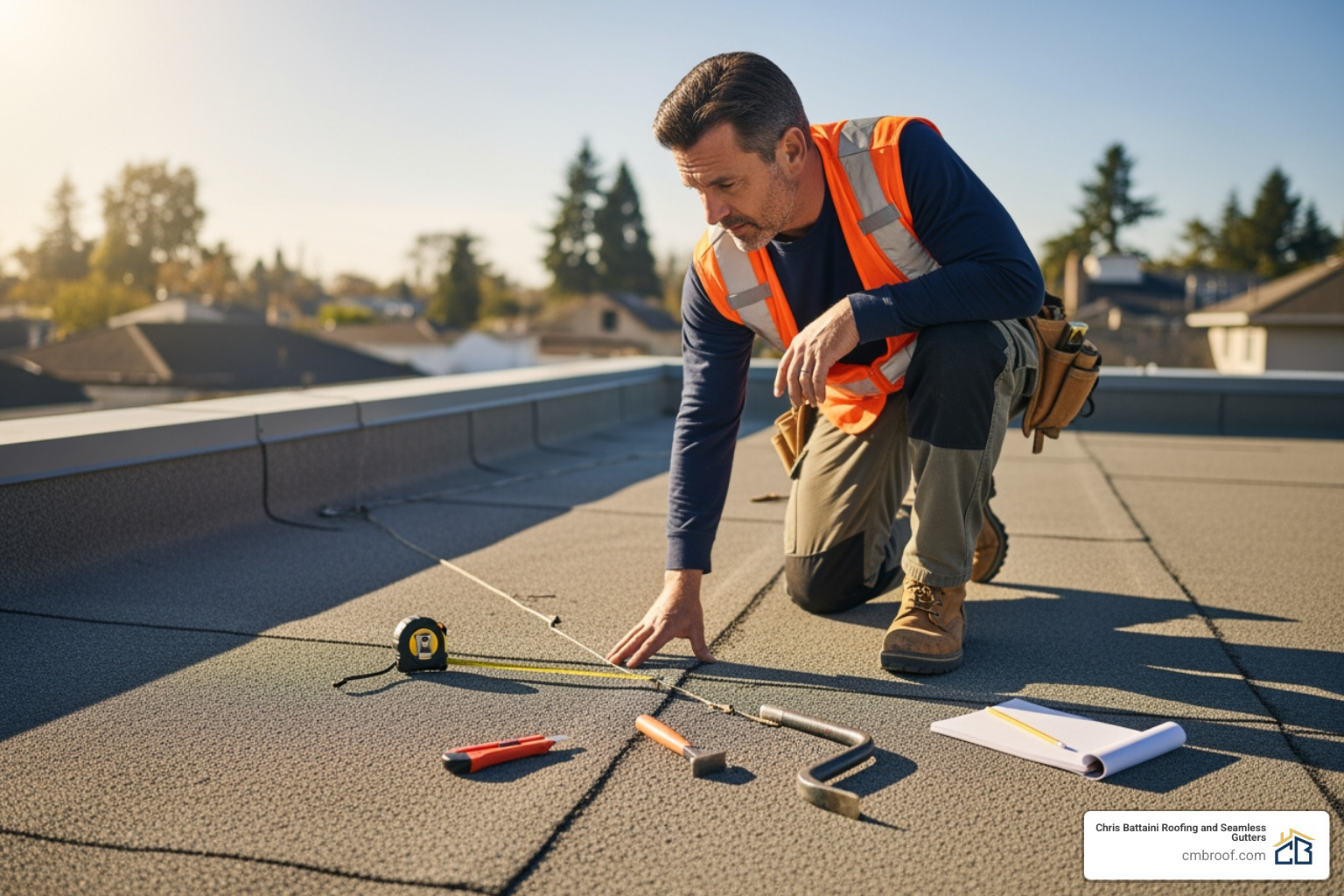
Planning a residential flat roof insulation project involves more than just picking a material. Practical factors like your local climate, building codes, and existing roof condition will shape the right solution for your home.
How Climate and Building Codes Influence Your Choice
Living in Berkshire County, MA, or Southern Vermont places us in a cold climate zone (6 or 7). This means your roof insulation must handle prolonged freezing temperatures and heavy snow, followed by warm, humid summers. The primary challenge is dew point control: the insulation system must keep the roof deck warm enough to prevent condensation, which causes rot and mold.
Local building codes, based on the International Residential Code (IRC), mandate minimum R-values (often R-25 to R-35) and vapor control strategies specifically for our climate. These codes aren’t arbitrary; they are based on building science to ensure your roof is both energy-efficient and durable. Programs like the ENERGY STAR Residential New Construction Program Requirements offer guidance for exceeding these minimums for even better performance. A professional contractor will ensure your project is fully compliant.
For comprehensive roofing solutions that meet all local standards, connect with our Roofing Company.
Estimating the Cost of Flat Roof Insulation
Understanding the potential cost of residential flat roof insulation helps you plan your project. The final price depends on material choice, roof size and accessibility, and the condition of your existing roof. If repairs like removing wet insulation or fixing rotted decking are needed, this will add to the cost.
Disclaimer: The following are broad estimates based on industry data and do not represent a quote from Chris Battaini Roofing. Costs vary significantly based on materials, complexity, and location.
Based on regional industry averages, material and installation costs for residential flat roof insulation can range from $0.35 to $2.50+ per square foot. Basic polystyrene materials are on the lower end, while high-performance rigid boards (Polyiso, XPS) and spray foam applications are on the higher end. While spray foam may have a higher upfront cost, its airtight seal and exceptional performance provide significant long-term value.
The true value of insulation is its return on investment. A properly insulated roof can last 30-50 years, and the energy savings over that time often exceed the initial cost, making it one of the smartest investments for your home.
Can I Add Insulation to an Existing Flat Roof?
Yes, retrofitting insulation on an existing flat roof is a highly effective home improvement. Many older roofs are under-insulated or use outdated “cold roof” systems that cause hidden problems.
The process begins with a thorough inspection and critical moisture testing. If the existing roof deck or insulation is wet, it indicates a leak or condensation issue that must be fixed first. All wet and damaged materials must be removed.
Once the roof is sound and dry, we typically create a modern warm roof system. This involves installing a vapor control layer over the existing deck, followed by layers of rigid insulation board, and finally a new waterproofing membrane. If needed, tapered insulation can be used to improve drainage.
Retrofitting can present challenges, like limited height at parapet walls, but experienced professionals can find solutions. All work must meet current building codes. When done right, a retrofit project transforms your home’s comfort and efficiency.
If you’re concerned about your roof’s condition, reach out for our Roof Repair services for an honest assessment.
Chris Battaini Roofing and Seamless Gutters proudly serves Berkshire, Hampden, Hampshire, and Franklin Counties in Massachusetts.
Follow us on Facebook!
Frequently Asked Questions about Flat Roof Insulation
What are the signs my flat roof needs new or better insulation?
Your home will often signal that its residential flat roof insulation is failing. Key signs include:
- Unusually high heating and cooling bills.
- Ice dams forming at the roof’s edge in winter.
- Drafty rooms or inconsistent temperatures, especially under the flat roof.
- Ceilings that feel cold to the touch in winter.
- Visible moisture, water stains, or mold on the ceiling.
If your roof is over 25 years old and hasn’t been updated, its insulation is almost certainly below modern energy standards for our climate.
What is the typical lifespan of flat roof insulation?
Quality insulation is a long-term investment. Rigid foam boards (Polyiso, XPS, EPS) and mineral wool can last for the lifetime of the roof system (30+ years), while spray polyurethane foam (SPF) can exceed 50 years.
The critical factor for longevity is moisture protection. The insulation material itself is highly durable, but it must be kept dry by a functional waterproofing membrane above and a vapor control layer below. A professional installation ensures these protective layers are intact, allowing the insulation to perform for decades.
How does flat roof insulation help with noise?
Many insulation materials offer excellent acoustic benefits. Dense materials like mineral wool and rigid foam boards absorb sound waves, reducing noise from the outside.
This means a significant reduction in disturbances from rain, hail, air traffic, and general neighborhood activity. The result is a quieter, more peaceful indoor environment. While you invest in residential flat roof insulation for thermal performance, the added sound dampening is a valuable bonus that improves your home’s comfort.
Chris Battaini Roofing and Seamless Gutters proudly serves Berkshire, Hampden, Hampshire, and Franklin Counties in Massachusetts.
Your Partner for a Perfectly Insulated Roof
Choosing the right residential flat roof insulation is a complex but critical investment in your home’s comfort, efficiency, and structural health. The right materials and installation method, custom to our local climate in Berkshire County and Southern Vermont, can prevent moisture damage, lower utility bills, and create a more comfortable living space.
This isn’t a DIY project. Getting it right requires professional expertise to assess your roof’s condition, select the appropriate R-value, and install a durable, moisture-resistant system. An incorrect installation can lead to condensation, energy waste, and premature roof failure.
At Chris Battaini Roofing and Seamless Gutters, we bring that expertise to every job. Our owner-led team is on-site to ensure the work meets our exacting standards. We conduct thorough assessments and recommend solutions that fit your home and budget, getting the job right the first time. With our exceptional workmanship warranties, you gain the peace of mind that your investment is protected for years to come.
Your home deserves a thoughtful, professional solution. Contact us today to discuss your residential flat roofing project! We’re here to deliver the quality craftsmanship that makes a real difference.
Chris Battaini Roofing and Seamless Gutters proudly serves Berkshire, Hampden, Hampshire, and Franklin Counties in Massachusetts.
Follow us on Facebook to stay updated on our latest projects and roofing tips!