
Why Cedar Shake Roofs Are Popular (And Whether They’re Right for You)
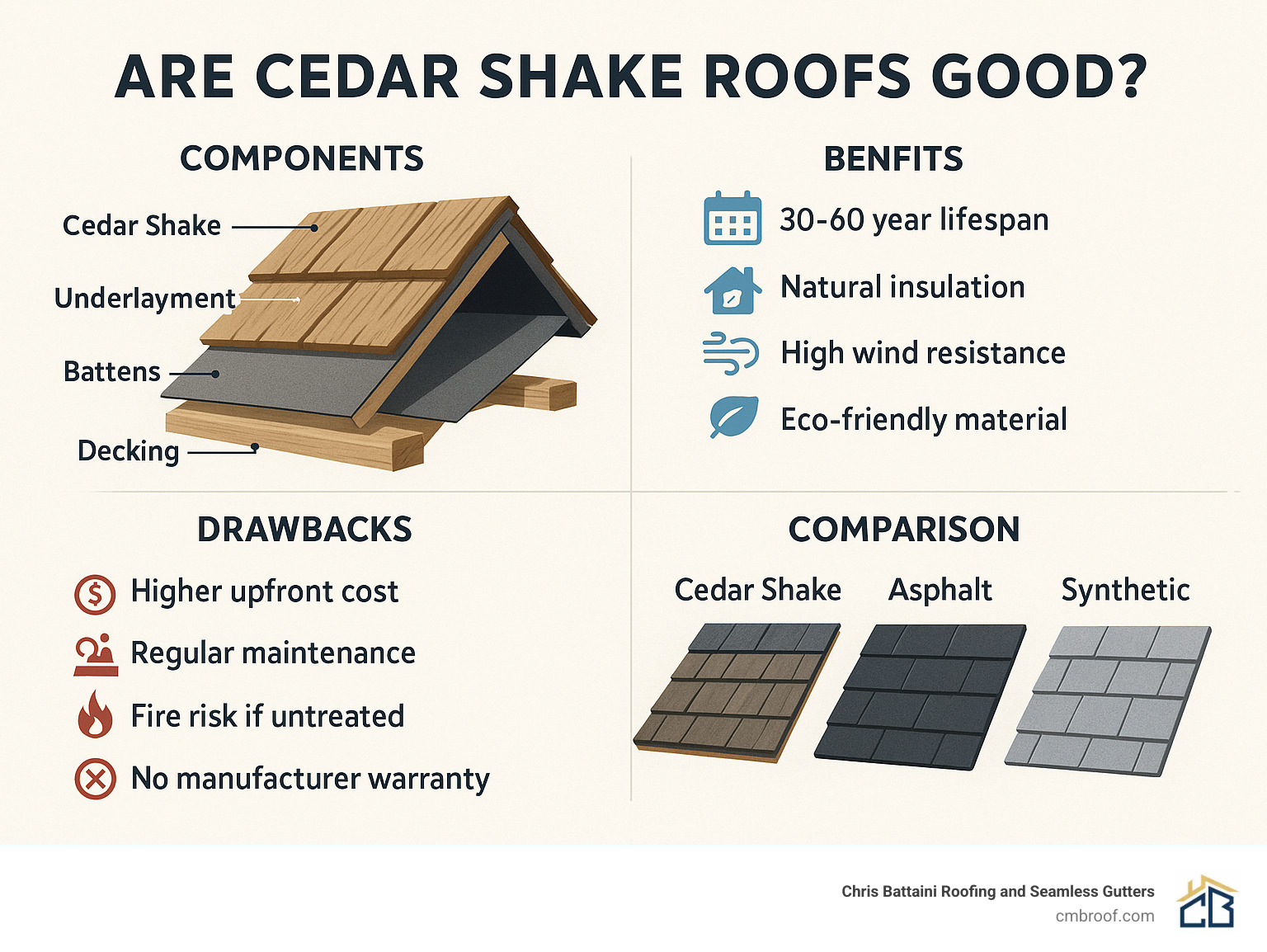
Are cedar shake roofs good? The short answer is yes – for the right homeowner. Cedar shake roofs offer exceptional durability (30-60 years), natural insulation up to twice that of asphalt shingles, and stunning curb appeal that ages into a beautiful silver-gray patina. However, they come with higher upfront costs ($6-$30 per square foot based on internet averages), require regular maintenance, and may face fire-related insurance restrictions.
Quick Answer: Cedar Shake Roof Pros vs Cons
✅ Pros:
– Last 30-60 years with proper maintenance
– Natural insulation reduces energy costs
– Withstand winds up to 130 mph
– Eco-friendly and biodegradable
– Premium aesthetic appeal
❌ Cons:
– Cost 2-4x more than asphalt shingles
– Need cleaning every 2-4 years
– Fire risk without treatment
– No manufacturer warranty
– 3-8 week material lead times
Cedar shake roofs are premium roofing systems made from split cedar logs, primarily sourced from the Northwest U.S. They come in three grades: Common (budget), Select (80% straight grain), and 100% Straight Grain (highest quality). In Massachusetts’ climate, these roofs perform well against snow loads, ice, and seasonal temperature swings – but they require informed decision-making about maintenance and costs.
Are cedar shake roofs good word roundup:
– cedar shake roof cost calculator
– are cedar shake roofs a fire hazard
– composite cedar shingles
What Is a Cedar Shake Roof and How Does It Age?
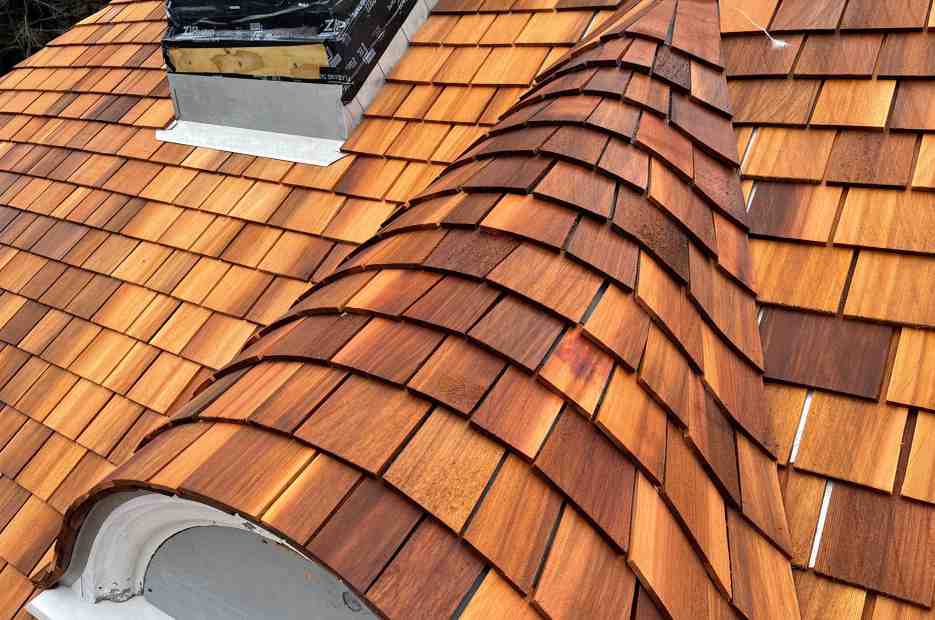
Cedar shake roofs are nature’s premium roofing material crafted from large cedar tree sections – primarily Western Red Cedar or Northern White Cedar – and then either hand-split or taper-sawn to create that unmistakable thick, textured look.
Shakes aren’t the same as shingles. While cedar shingles are sawn smooth and uniform, shakes maintain gorgeous natural grain patterns and irregular edges that give them rustic, old-world character.
Hand-split shakes are created the traditional way – splitting wood blocks along the grain using time-honored tools. Taper-sawn shakes use specialized cutting equipment for a more consistent finish. Hand-split shakes command premium pricing due to their labor-intensive creation process.
Cedar shakes come in three quality grades. Common Grade offers the most budget-friendly option but includes natural defects. Select Grade gives you approximately 80% straight grain – the sweet spot for quality and value. 100% Straight Grain represents the premium option, offering maximum flatness and durability.
Cedar shakes are typically made to order, creating 3-8 week lead times for materials. They’re available in 12″ and 7½” exposures plus ½” and ¾” thicknesses.
How cedar ages naturally is the real magic. Fresh cedar starts with warm honey and reddish-brown tones. Over 1-3 years, UV exposure and moisture gradually change your roof into a beautiful silver-gray patina that screams “established elegance.”
This natural aging process is considered the crown jewel of cedar roofing. Each roof develops unique character as it weathers, creating an authentic look that synthetic materials can’t replicate.
For more detailed information about your cedar shake options, check out our Cedar Shake Roofing page.
Are Cedar Shake Roofs Good for Historic Curb Appeal?
Are cedar shake roofs good for making your home the envy of the neighborhood? Without question, yes. Cedar shakes have graced prestigious homes for centuries, and their timeless appeal continues to turn heads.
The hand-split texture and natural color variations create a one-of-a-kind rustic appearance that synthetic materials struggle to match. Each shake is genuinely unique, giving every roof its own personality.
In New England, cedar shake roofs complement both colonial charm and contemporary elegance beautifully. The natural patina that develops over time actually improves the historic appeal, creating that authentic weathered look that can add thousands of dollars to your home’s value.
The Advantages of Cedar Shake Roofs You’ll Love
Cedar shake roofs offer benefits that go far beyond just looking good – though they certainly do that too.
The energy savings alone can be impressive. Cedar wood naturally insulates your home up to twice as effectively as standard asphalt shingles. The wood’s cellular structure creates tiny air pockets that act like a thermal barrier, keeping your home cooler in summer and warmer in winter. Many homeowners see their heating and cooling bills drop noticeably after installation.
When Mother Nature throws her worst at your home, cedar shakes stand their ground remarkably well. These natural materials can handle winds up to 130 mph – stronger than many Category 3 hurricanes. The wood’s natural flexibility lets it bend without breaking, while its density provides excellent protection against hail damage.
Here’s where cedar really shines: a properly installed cedar shake roof typically lasts 30-60 years with good maintenance. Compare that to standard asphalt shingles that need replacement every 15-20 years, and you start to see the math working in your favor.
For environmentally conscious homeowners, cedar checks all the right boxes. It’s a renewable resource that’s completely biodegradable at the end of its life. When sourced from responsibly managed forests, cedar represents one of the most sustainable roofing choices available.
Nature built cedar to last, including natural pest resistance. The wood contains oils and compounds that naturally repel insects and resist decay. This means you’re not relying on chemical treatments to keep your roof healthy.
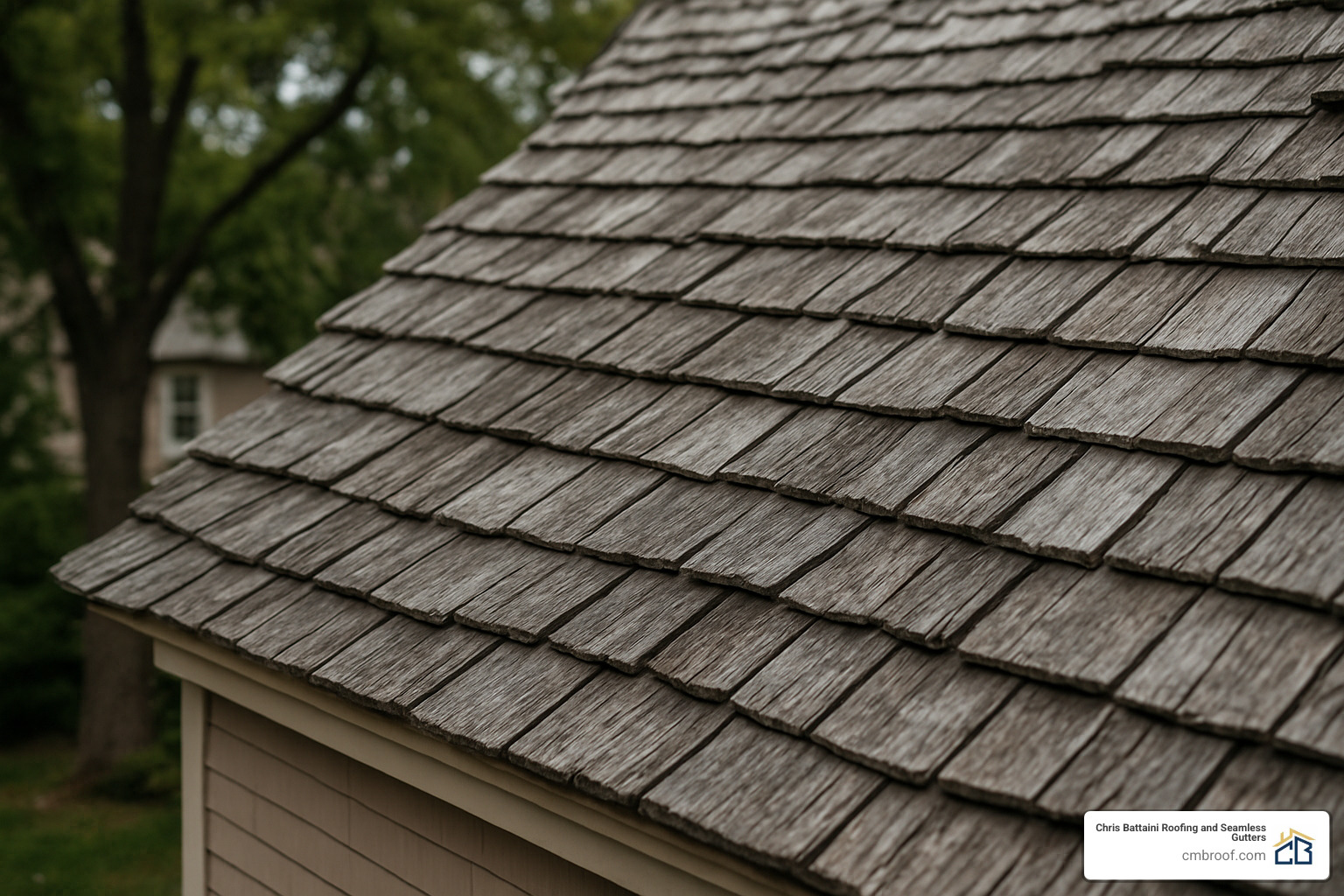
The visual change over time might be the most beloved feature. Fresh cedar starts with warm honey and brown tones, then gradually develops that coveted silver-gray patina that makes neighbors stop and stare.
For scientific research supporting wood’s insulation properties, you can reference studies on wood insulation performance. If you’re interested in alternatives that mimic cedar’s appearance, explore our Composite Cedar Shingles options.
Are Cedar Shake Roofs Good for Energy Efficiency?
Are cedar shake roofs good for cutting your energy bills? The answer is definitely yes, and the savings can be more significant than you might expect.
Cedar’s natural R-value runs about twice that of asphalt shingles, which translates to real money staying in your pocket instead of going to the utility company. In practical terms, this means your furnace doesn’t have to work as hard in January, and your air conditioner gets a break during sweltering July afternoons.
The energy efficiency benefits really shine in New England’s climate. Most homeowners see their energy costs drop by 10-15% compared to standard asphalt roofs. Your actual savings will depend on your home’s size, existing insulation, and local utility rates, but the improvement is usually noticeable within the first year.
The Drawbacks & Risks to Keep on Your Radar
Cedar shake roofs aren’t all sunshine and silver-gray patinas. While they’re undeniably beautiful and durable, they come with significant challenges that might make you think twice.
The sticker shock is real. Cedar shake installation will hit your wallet hard, with costs ranging from $6-$30 per square foot based on internet averages. That’s compared to $3.50-$5.50 for standard asphalt shingles. The wide price range depends on the cedar grade you choose, roof complexity, and local labor rates. These are internet averages and not actual quotes from Chris Battaini Roofing and Seamless Gutters.
Maintenance becomes part of your routine. Every 2-4 years, you’ll need to clean moss, fungi, and debris off your roof. Skip this step, and you’re asking for trouble. Moisture gets trapped, wood starts rotting, and your beautiful roof starts failing way before its time.
Fire risk is the elephant in the room. Untreated cedar shakes can pose fire hazards that may violate local building codes. Some insurance companies will refuse to cover homes with wood roofs, while others increase premiums or demand fire-retardant treatments.
You’re flying without a safety net when it comes to warranties. Unlike synthetic roofing materials that come with decades-long manufacturer guarantees, natural cedar shakes typically offer zero manufacturer warranty. Your contractor’s workmanship warranty becomes your only protection.
Patience is required for material delivery. Since cedar shakes are often made to order, expect 3-8 week lead times.
For a deep dive into fire risks and how to manage them, check out our guide on Are Cedar Shake Roofs a Fire Hazard?.

Cedar vs Asphalt vs Synthetic Comparison
| Feature | Cedar Shakes | Asphalt Shingles | Synthetic Cedar |
|---|---|---|---|
| Cost per sq ft* | $6-$30 | $3.50-$5.50 | $8-$15 |
| Lifespan | 30-60 years | 15-25 years | 25-50 years |
| Maintenance | High (every 2-4 years) | Low | Very Low |
| Fire Rating | Class C (untreated) | Class A | Class A |
| Warranty | Workmanship only | 20-30 years | 25-50 years |
| Energy Efficiency | Excellent | Good | Good |
*Internet averages, not Chris Battaini Roofing quotes
Mitigating the Cons: Treatments, Maintenance Plans & Local Codes
Smart planning and proactive maintenance can minimize most cedar shake challenges.
Annual inspections become your best friend. Having a professional check your roof 1-2 times per year catches problems while they’re still small and affordable to fix.
Keep your roof clean by clearing leaves, pine needles, and debris regularly. These materials trap moisture and create perfect conditions for rot.
Zinc or copper strips along your roof ridges work like magic against moss and algae. As rainwater washes over these metals, it carries trace amounts down the roof surface, naturally inhibiting growth.
Fire-retardant treatments might be required by local codes or your insurance company, but they significantly reduce fire risk.
Choose your contractor carefully – cedar shake installation requires specific expertise. Since you won’t have a manufacturer warranty, prioritize contractors offering comprehensive workmanship guarantees of at least 10 years.
Need help calculating total project costs? Our Cedar Shake Roof Cost Calculator breaks down all the numbers so you can budget realistically.
Cost, Lifespan, and Climate Performance at a Glance
Understanding the real investment and what you’re getting for your money is crucial when considering cedar shake roofing.
What You’ll Really Pay
Cedar shake installation isn’t cheap. Based on internet research, you’re looking at $6-$30 per square foot for a complete installation. That wide range reflects real differences in what you’re buying.
These are average costs based on internet data and not actual costs for Chris Battaini Roofing and Seamless Gutters.
The lower end typically gets you Common grade shakes on a straightforward roof. Move up to Select or Straight Grain cedar, add roof complexity, and you’re quickly approaching that higher range. The labor intensity plays a huge role – each shake gets individually placed by skilled craftsmen.
How Long They Actually Last
With proper installation and maintenance, you’re looking at 30 years minimum, with many roofs pushing 40-50 years when everything goes right. Premium installations can even reach 60 years in ideal conditions.
Compare that to typical asphalt shingles lasting 15-25 years, and suddenly that higher upfront investment starts making financial sense.
How They Handle Our New England Weather
Massachusetts and Vermont throw everything at roofs – heavy snow loads, ice storms, summer heat, and freeze-thaw cycles. Cedar shakes actually handle this climate quite well.
The snow load performance is excellent when properly supported. Cedar’s natural flexibility helps it handle the weight without cracking. The freeze-thaw cycles that crack concrete and split asphalt? Cedar just flexes with the temperature changes.
Moisture management is where cedar really shows its wisdom. The natural grain structure sheds water effectively while allowing beneficial airflow underneath.
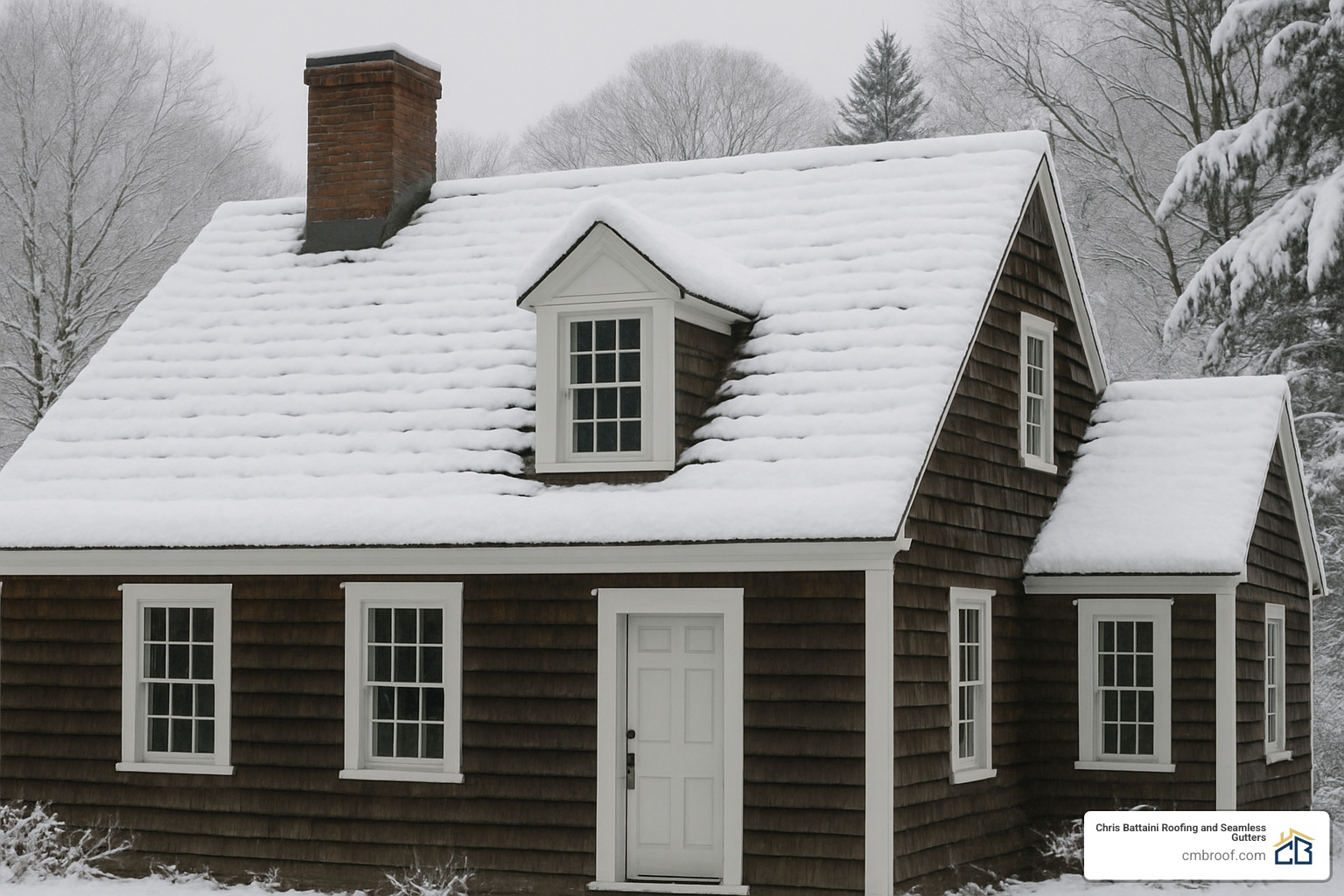
The key to success in our climate is proper ventilation – something that can’t be overlooked during installation. Without adequate airflow, even the best cedar shakes will struggle.
Ready to explore what a cedar shake roof might cost for your specific situation? Check out our Cedar Shake Roof Cost Calculator for a detailed breakdown, or Find Local Pros to get professional estimates.
Are Cedar Shake Roofs Good for New England Weather?
Are cedar shake roofs good for the weather challenges we face here in Massachusetts and Vermont? The short answer is yes – but only when they’re installed right and maintained properly.
Our region throws serious curveballs at roofs. Those nor’easters with winds up to 130 mph? Cedar shakes handle them better than you might expect. The individual shake installation provides flexibility that helps the roof move with the wind.
Ice dams are every New England homeowner’s winter nightmare, but cedar’s natural insulation properties help here too. The better thermal performance means more consistent roof temperatures, which reduces the freeze-thaw cycles that create destructive ice dams.
The moisture management capabilities really shine during our humid summers and wet spring seasons. Cedar naturally wicks moisture away while allowing airflow underneath each shake.
But ventilation is absolutely essential for cedar shake success in our climate. Skip this during installation, and you’ll face problems down the road.
The bottom line? Cedar shakes can absolutely thrive in New England weather, but they demand respect for proper installation techniques and ongoing maintenance.
Frequently Asked Questions about Cedar Shake Roofs
How long do cedar shake roofs typically last?
Are cedar shake roofs good investments for the long haul? Absolutely. Cedar shake roofs typically last 30 years with proper care, and premium installations can reach an impressive 50-60 years under ideal conditions.
The lifespan depends on several key factors. Cedar grade makes a huge difference – 100% Straight Grain shakes will outlast Common grade by years, sometimes decades. Your local climate plays a major role too.
Maintenance quality is the real game-changer. Homeowners who stay on top of regular cleaning and treatment often see their roofs hit the 40-year mark or beyond. Neglected cedar roofs might need replacement in 20-25 years.
Installation quality can’t be overlooked either. Proper flashing, ventilation, and shake spacing techniques are critical for reaching full lifespan potential.
In New England’s climate, you can realistically expect 30-40 years from quality cedar shakes with consistent maintenance. That’s nearly double the lifespan of typical asphalt shingles.
What maintenance do cedar shake roofs require?
Cedar shake maintenance isn’t complicated, but it does require consistency.
Your annual to-do list should include a professional inspection to catch damage, loose shakes, or early wear signs. Keep gutters clean to prevent water backup, and clear debris from the roof surface and valleys.
Every 2-4 years, plan for deeper maintenance. This means thorough cleaning to remove moss, algae, and fungi. You can treat minor growth with mild detergent or specialized wood cleaners, but avoid pressure washing – it can damage the wood fibers.
Some maintenance happens on an as-needed basis. Replace damaged or missing shakes promptly. If local codes require fire-retardant treatments, stay current with reapplications. Installing zinc or copper strips along roof ridges provides ongoing moss prevention.
Most homeowners find it worthwhile to hire roofing professionals for anything beyond basic debris removal. Cedar roofs have specific care requirements that general contractors might not understand.
Are there eco-friendly or synthetic alternatives that look like cedar?
If you love cedar’s appearance but want different performance characteristics, you’ve got several compelling options.
Synthetic cedar shakes have come a long way in recent years. Modern composite materials do an impressive job replicating cedar’s natural texture while offering Class A fire ratings and 25-50 year warranties. They need minimal maintenance compared to natural cedar.
Fiber cement shakes combine cement and cellulose fibers for excellent fire resistance and complete immunity to insect damage. They offer dimensional stability and long-term color retention.
Metal shingles with cedar textures provide maximum durability along with fire resistance and energy efficiency benefits. When their useful life ends, they’re completely recyclable.
For those who prefer authentic wood but want to minimize environmental impact, sustainably sourced natural cedar remains an excellent choice. Look for FSC-certified harvesting practices or locally sourced materials.
Each alternative involves trade-offs in appearance, cost, and performance. Visit our Composite Cedar Shingles page to explore synthetic options that combine cedar’s beauty with improved durability.
Conclusion
Are cedar shake roofs good? After weighing all the evidence, the answer really comes down to what matters most to you as a homeowner. Cedar shakes are genuinely excellent roofing materials – they’ll protect your home for 30-60 years, slash your energy bills with superior insulation, and create that stunning silver-gray patina that makes neighbors stop and stare. But they’re also a significant commitment, both financially and in terms of ongoing care.
Think of cedar shake roofs like owning a classic car. They’re beautiful, well-built, and turn heads wherever you go. But they need regular attention, cost more upfront, and aren’t the right fit for everyone’s lifestyle or budget.
Cedar shakes make perfect sense if you’re planning to stay in your home for decades, value authentic materials over synthetic alternatives, and don’t mind investing in regular maintenance. They’re especially appealing if you live in a historic neighborhood where that premium curb appeal translates directly to home value.
You might want to explore alternatives if you’re working with a tight budget, prefer the “install it and forget it” approach to roofing, or face insurance restrictions due to fire codes in your area.
Ready to make your decision? Start by getting a realistic picture of what cedar shakes would cost for your specific home and situation. Check with your insurance company about any fire-related restrictions. Most importantly, talk with contractors who actually specialize in cedar shake installation.

The truth is, there’s no “wrong” choice here – just different priorities. Cedar shakes represent one of the finest roofing materials available, but they’re not necessarily the smartest choice for every situation. Take your time, do your homework, and choose the option that aligns with your budget, lifestyle, and long-term plans.
For expert guidance custom to your specific home and needs, check out our Roofing Services Near Me page to connect with experienced professionals who can walk you through all your options.
Chris Battaini Roofing and Seamless Gutters proudly serves Berkshire, Hampden, Hampshire, and Franklin Counties in Massachusetts, plus Southern Vermont. We bring decades of experience with cedar shake installation and maintenance, backed by exceptional workmanship warranties that give you peace of mind for years to come.