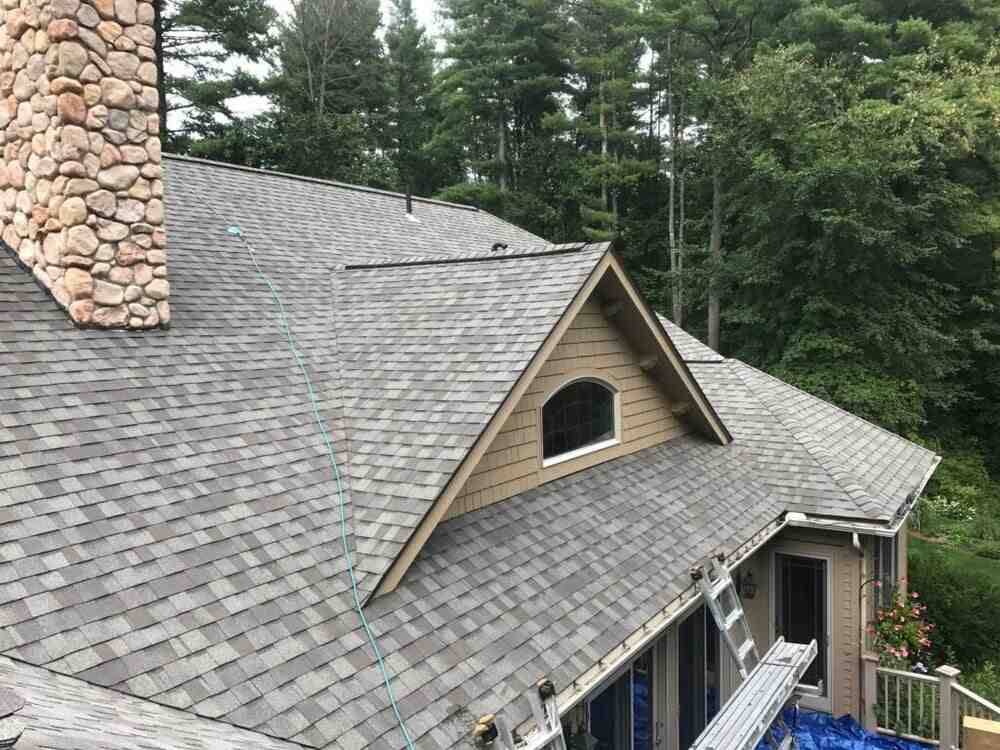

Complete Roof Replacement: Your 2025 Smart Guide
Your Home’s First Line of Defense
A complete roof replacement is the process of removing your existing roof down to the deck and installing entirely new materials, including underlayment, flashing, and shingles or panels. Homeowners typically need this when their roof reaches 20-30 years old, shows widespread damage, or experiences multiple recurring leaks that repairs can’t fix.
Quick Answer: When You Need a Complete Roof Replacement:
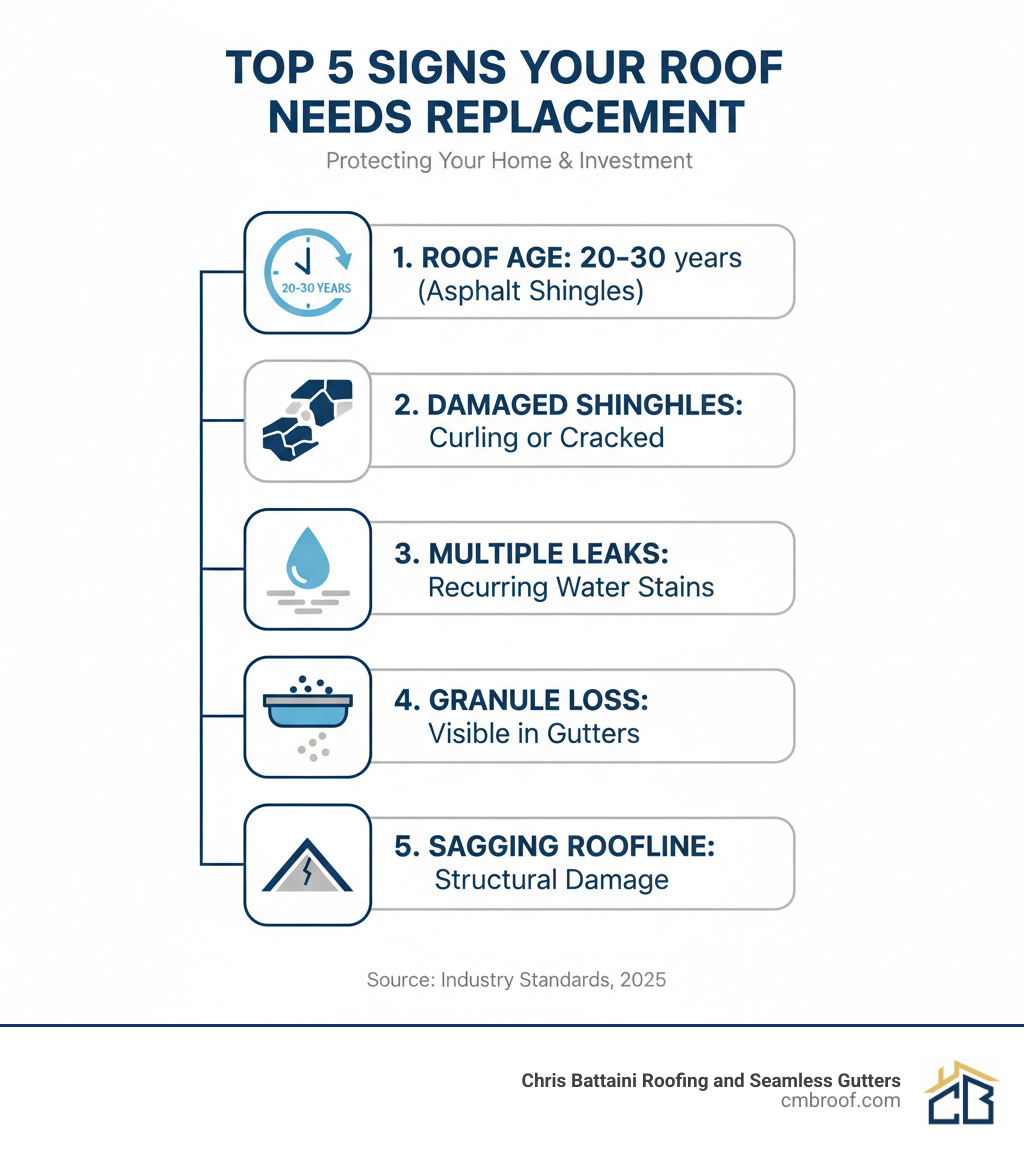
- Your roof is 20-30 years old (especially asphalt shingles)
- Multiple leaks or widespread water damage
- Curling, cracked, or missing shingles across large areas
- Granules collecting in gutters (sign of shingle wear)
- Sagging roof deck or visible structural issues
- Storm damage affecting more than 30% of the roof
Picture your roof as your home’s steadfast protector. It shields you from torrential downpours, searing summer heat, and the brutal freeze-thaw cycles that define New England winters. It’s not just a practical necessity—it’s a canvas that lifts your home’s charm and can boost resale value by 5-7%.
But here’s the reality: most roofs don’t last forever. Asphalt shingles, the most common material, typically serve you well for 20-30 years. Then the signs start appearing—curling edges, cracks, those telltale granules piling up in your gutters.
If you’re seeing these warning signs, you’re not alone. A 1,600 square foot Georgia home lost 40% of its granules, causing indoor temperatures to spike 5°F and triggering $12,000 in leak repairs. That’s the cost of waiting too long.
Note: Any prices mentioned are based on internet averages and are not actual costs for Chris Battaini Roofing and Seamless Gutters; actual costs vary widely by home and scope, and the high end can be at least 3x the average price depending on materials and complexity.
The decision to replace your roof completely is significant. For a typical 2,000 square foot home in Massachusetts, you’re looking at an investment that can range widely depending on materials and complexity. But it’s also one of the smartest moves you can make—protecting your family, your belongings, and your biggest financial asset.
This guide breaks down everything you need to know: the real signs that repair won’t cut it, what drives the cost, how to choose the right materials for our harsh climate, and what the actual replacement process looks like from start to finish.
Simple guide to complete roof replacement:
Signs It’s Time: Repair vs. Complete Roof Replacement
Your roof is constantly battling the elements, and over time, even the toughest materials will show signs of wear. The real question isn’t if your roof will need attention—it’s when, and whether that attention means a simple fix or a full replacement. In New England, this decision gets even trickier. Our heavy snow loads, stubborn ice dams, and relentless freeze-thaw cycles put roofs through the wringer in ways that milder climates never experience.
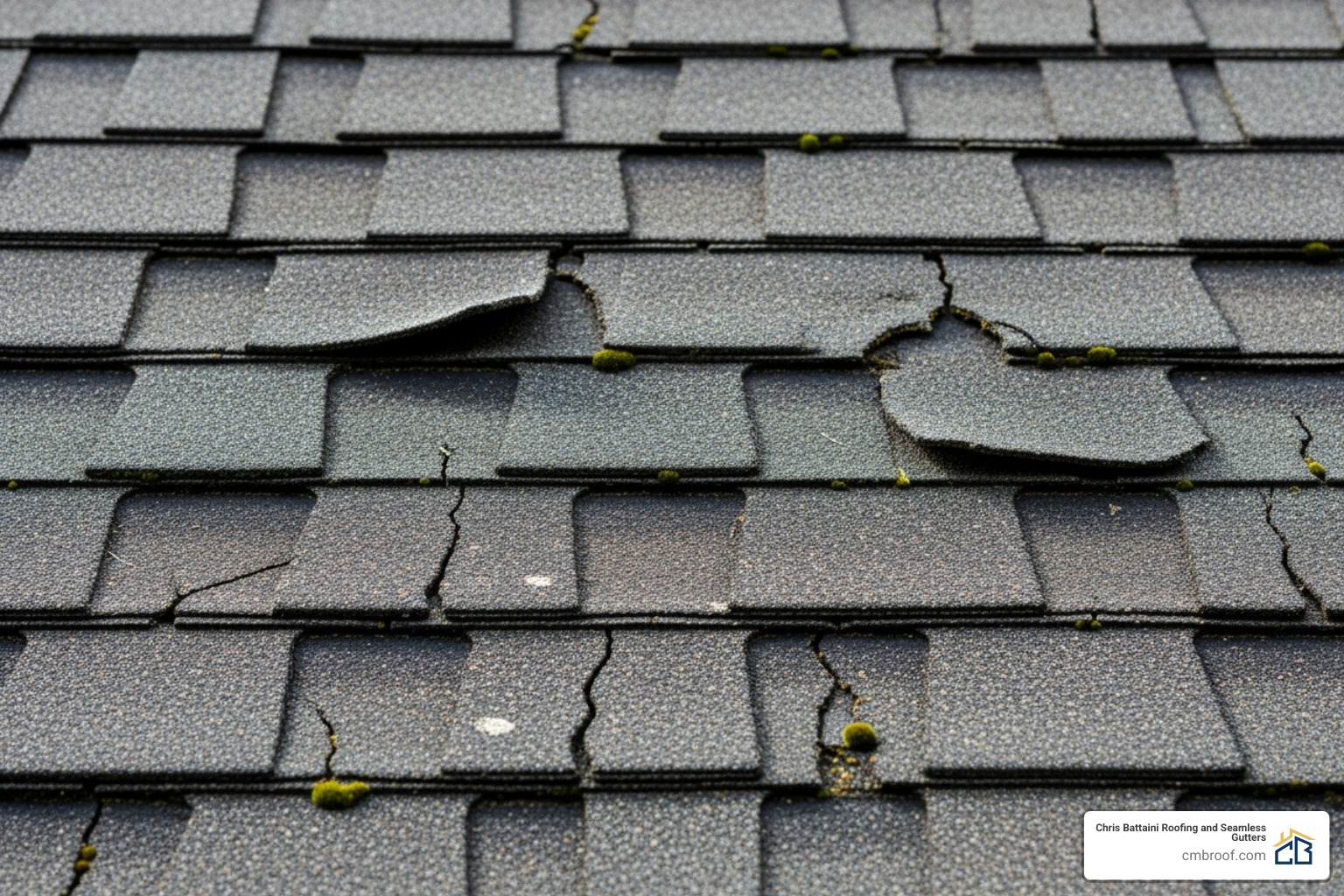
Let’s start with the elephant on the roof: age. If your asphalt shingle roof is pushing 20 years or older, you’re living on borrowed time. While some materials can last decades longer, asphalt shingles typically tap out between 15-30 years—and in our demanding climate, they often lean toward the lower end. Think of it like a car with 200,000 miles. It might still run, but you’re probably not planning any cross-country road trips.
But age is just one piece of the puzzle. Widespread damage is another major red flag. When you see shingles curling, cracking, buckling, or missing across large sections of your roof, that’s not just ugly—it’s an open invitation for water to come inside and make itself at home. A few damaged shingles here and there? That’s manageable. But when the damage looks like a checkerboard pattern across your entire roof, it’s time to have a serious conversation about replacement.
Recurring leaks are perhaps the most frustrating sign of all. You patch one leak, and boom—another one pops up somewhere else. It’s like playing whack-a-mole with water damage. A single leak might just be a flashing issue around a chimney or vent. But multiple leaks in different spots? Your roof is waving a white flag. Those water stains creeping across your ceiling or down your walls are your roof’s way of telling you it’s compromised beyond simple fixes.
Keep an eye on your gutters too. If you’re seeing lots of granule loss—those tiny, sand-like particles that look like coarse pepper collecting in your gutters—that’s the protective layer of your shingles washing away. Without that armor, your shingles are defenseless against UV rays and weather. It’s like going out in a New England winter without a coat.
A sagging roof deck is the most serious warning sign you can get. If your roofline looks like it’s dipping or bowing, stop reading this and call a professional immediately. This indicates potential rot in the decking or problems with the framing itself—structural issues that won’t fix themselves and will only get worse.
Storm damage deserves special mention because it’s often sneaky. After a major storm with high winds or hail, your roof might look fine from the ground. But hidden damage can lurk beneath the surface, setting you up for leaks and problems down the road. It’s always worth having a professional take a closer look after severe weather.
Here in New England, we have a special villain: ice dams. These form when heat escapes from your attic, melts the snow on your roof, and then that water refreezes at the colder eaves. This creates an ice barrier that forces meltwater back up under your shingles. The result? Significant water damage that can ruin insulation, ceilings, and walls. Proper insulation and ventilation are your best defense, but once ice dams have done their damage repeatedly, your roof’s days may be numbered.
If you’re unsure whether your roof is showing signs of trouble or just normal aging, it’s worth getting expert eyes on it. Learn about our Roof Inspections to get a clear, honest assessment of your roof’s health. For more insights on timing your replacement, check out when to replace your roof.
When a Roof Repair Might Suffice
Not every roof problem requires the nuclear option. Sometimes a targeted repair is exactly what the doctor ordered, and it makes perfect financial sense.
If your damage is isolated—say, a few shingles got ripped off by a wind gust, or you’ve got a leak caused by damaged flashing around a vent pipe—a repair can solve the problem completely. Why replace an entire roof when the issue is confined to a small area?
When less than 30% of your roof is affected and the roof itself is still relatively young—well within its expected lifespan—a repair is almost always the smarter move. You’re getting more good years out of your existing investment without the expense of starting over.
Let’s be honest: budget constraints are real. If you’re dealing with a minor issue and a full replacement isn’t in the cards right now, a repair can buy you time. Based on internet averages (not our actual pricing), basic roof repairs typically run $500 to $1,200, though prices can vary widely depending on complexity and materials. Expect a wide range, with the high end being at least 3x the average price for complex repairs. For Chris Battaini Roofing and Seamless Gutters pricing, please contact us directly.
The catch? Repairs typically extend a roof’s life by only 3-5 years. If your roof is already old and showing multiple problems, repairs become a band-aid solution—you’re just delaying the inevitable while spending money that could go toward a permanent fix.
Why a Full Replacement is Often the Smarter Choice
Here’s where we get real about long-term value. While repairs have their place, a complete roof replacement often proves to be the wiser investment—especially when certain conditions are present.
When your roof has reached the end of its lifespan—that 20-30 year mark for asphalt shingles—it’s simply worn out. Patching it up is like trying to extend the life of a 30-year-old water heater. You might squeeze out another year or two, but you’ll likely spend more in the long run than if you’d just replaced it when the time was right.
Structural issues like sagging sections or widespread rot in the decking can’t be addressed with a repair. You need a full tear-off to get down to the bones of your roof and fix the underlying problems properly. Anything less is just hiding the problem under new shingles.
If you’re experiencing multiple recurring leaks, that’s your roof telling you it’s failing as a system. Chasing leaks is exhausting, expensive, and ultimately futile when the entire roof structure is compromised. One repair might work; five repairs in two years means it’s time to move on.
Here’s a good rule of thumb: when the cost of repairs approaches 30% of what a new roof would cost, you’ve crossed the threshold where replacement makes more sense. You’re throwing good money after bad at that point.
But a new roof isn’t just about stopping leaks. The benefits extend far beyond basic protection. Improved energy efficiency is a big one—modern roofing materials and proper ventilation can slash energy bills by up to 30% and reduce cooling costs by up to 15%. That’s real money back in your pocket every month.
Your home’s resale value gets a significant boost too. Homeowners typically recover 60-70% of roof replacement costs when selling, and some studies suggest a potential ROI of up to 107% depending on material choice. Metal roofs, for instance, can increase resale value by 4-6%. Even if you’re not planning to sell, it’s nice to know you’re building equity.
Let’s not forget curb appeal. A new roof transforms your home’s appearance. It’s like giving your house a facelift—the difference is dramatic and immediate.
There’s also the insurance angle. Many insurance companies offer reduced premiums for homes with updated roofs because the risk of damage claims drops significantly. Your roof protects everything underneath it, and insurers reward that added protection.
For a comprehensive approach to securing your home’s future and exploring all your options, explore our Residential Roof Replacement Service.
Decoding the Cost of a Complete Roof Replacement
Let’s talk numbers. The cost of a complete roof replacement is one of the biggest questions homeowners have, and honestly, we get it. This is a substantial investment in your home’s future, and understanding what drives that final price helps you plan with confidence.
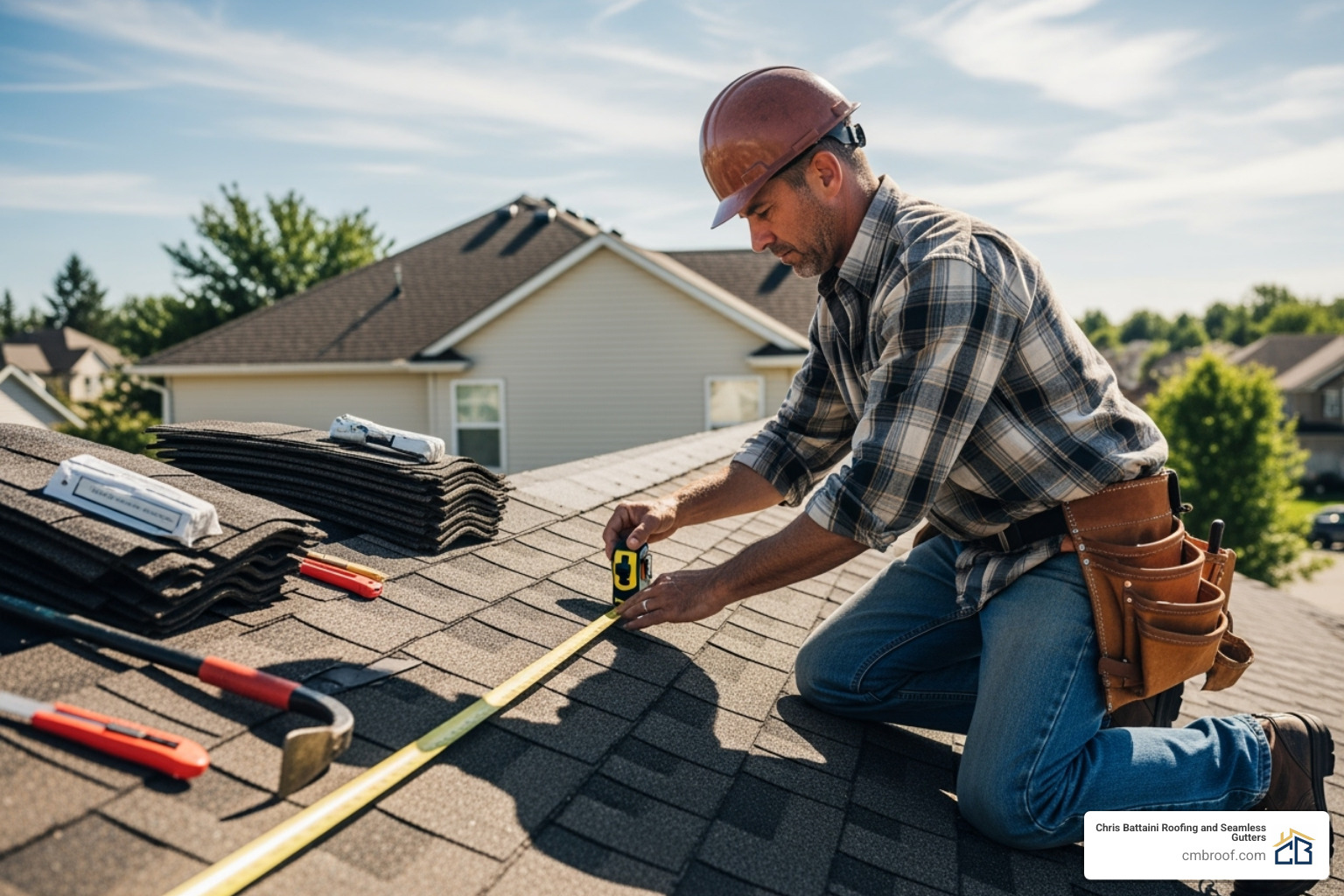
Here’s the reality: no two roofs are exactly alike. Your neighbor’s replacement cost might be wildly different from yours, even if your homes look similar from the street. That’s because dozens of variables come into play—from the steepness of your roofline to the materials you choose to the hidden surprises lurking beneath those old shingles.
All pricing is based on internet averages and not actual costs for Chris Battaini Roofing and Seamless Gutters. Expect a wide range, with the high end being at least 3x the average price.
The good news? Many roofing companies offer financing options through various providers, which can transform a big expense into manageable monthly payments. Don’t be shy about asking—spreading out the cost makes this essential home improvement accessible to more families.
Key Factors Influencing Your Complete Roof Replacement Cost
Think of your roof replacement cost like a recipe. Each ingredient adds its own flavor—and its own price—to the final dish.
Roof size is the most obvious factor. Roofers measure in “squares,” where one square equals 100 square feet. A bigger roof simply requires more materials, more labor hours, and more time. A compact 1,000 square foot roof takes far less work than a sprawling 3,000 square foot expanse.
Roof pitch might surprise you as a cost driver, but it makes perfect sense when you think about it. A steep roof is like climbing a mountain versus walking across a field. It demands specialized safety equipment, takes longer to steer, and increases risk for the crew. All of this translates to higher labor costs.
The Roofing Materials you select create one of the biggest cost swings. Basic asphalt shingles offer affordability and reliability, while premium options like metal, cedar shakes, slate, or tile can triple or quadruple your material costs. Each material brings different benefits—longevity, appearance, energy efficiency—so the choice depends on your priorities and budget.
Labor costs typically eat up 50-60% of your total bill in many regions. This covers the expertise, experience, and safety measures of a professional crew. You’re not just paying for muscle—you’re paying for years of knowledge that ensures your roof will protect your home for decades.
Old roof removal is a necessary step we can’t skip. While building codes technically allow installing new shingles over old ones (up to two layers), this shortcut creates serious problems. It hides deck rot, compromises flashing, adds dangerous weight to your structure, and often voids manufacturer warranties. Proper tear-off and disposal typically costs $1-$5 per square foot, but it gives your new roof the clean slate it deserves.
Once we strip away the old materials, underdeck repairs often become necessary. Water damage, rot, or weak spots in the plywood sheathing need fixing before we install anything new. This runs $1.50-$3.25 per square foot, but addressing these issues now prevents catastrophic problems later. Think of it as treating the infection before bandaging the wound.
Flashing and ventilation might seem like small details, but they’re absolutely critical. Proper flashing around chimneys, skylights, and valleys keeps water flowing where it should—off your roof, not into your home. Quality ventilation through ridge vents and soffit vents prevents heat and moisture buildup that can rot your new roof from the inside out. These components add to both material and labor costs but dramatically extend your roof’s lifespan.
Geographic location matters more than you might think. Local labor rates, material availability, permit requirements, and regional building codes all influence pricing. Here in New England, our brutal winters and demanding climate mean installations require extra attention to ice dam prevention and weatherproofing, which can affect the bottom line.
Curious about what your specific project might cost? We offer personalized assessments that account for all these variables. Get a New Roof Cost Estimate to see what makes sense for your home.
Average Cost Ranges in 2025
Let’s ground this in real numbers. These are broad averages based on internet research—your actual costs will depend on all those factors we just discussed.
All pricing is based on internet averages and not actual costs for Chris Battaini Roofing and Seamless Gutters. Expect a wide range, with the high end being at least 3x the average price.
Asphalt shingles remain the most popular choice for good reason—they balance affordability with solid performance. Material costs run $3.50–$12 per square foot. For a typical 1,500 square foot roof, you’re looking at roughly $10,500 to $20,000 or more for a complete installation including labor. A larger 2,500 square foot roof might range from $16,000 to $30,000 and beyond.
Metal roofing costs more upfront but lasts significantly longer. Materials run $7–$24 per square foot. That same 1,500 square foot roof in metal could range from approximately $17,000 to $50,000 or more installed. For a 2,500 square foot roof, expect $21,250 to $70,000 and up. The higher initial investment pays dividends through decades of low-maintenance protection.
Cedar shakes bring natural beauty and excellent insulation properties. Materials cost $10–$20 per square foot. A 1,500 square foot cedar shake roof typically runs $15,000 to $45,000 or more installed. For 2,500 square feet, you’re looking at $25,000 to $75,000 and beyond.
Slate or clay tiles represent the premium end of the spectrum, but they can literally last a century. Materials alone cost $20–$40+ per square foot. A 1,500 square foot slate or tile roof might run $30,000 to $75,000 or more installed. For 2,500 square feet, expect $50,000 to $120,000 and up. These materials are investments that can outlive the homes they protect.
The takeaway? A complete roof replacement for a standard home can range anywhere from $7,000 to $70,000 or more, depending on size, pitch, materials, and complexity. That’s a wide spectrum, which is why getting personalized quotes based on your specific situation is so important.
How to Potentially Lower Your Project Cost
A complete roof replacement represents a significant investment, but smart planning can help you maximize value without compromising quality.
Scheduling in the off-season can work in your favor. Roofing demand drops during winter and early spring, which sometimes translates to more competitive pricing. If weather conditions allow safe installation, you might catch contractors during slower periods when they’re eager to keep crews working.
Comparing multiple quotes isn’t just smart—it’s essential. Aim for at least three estimates from licensed, reputable contractors. This lets you see how different companies approach your project, what materials they recommend, and how their pricing stacks up. Just remember that the lowest bid isn’t always the best value. Quality workmanship and solid warranties matter more than saving a few hundred dollars upfront.
Choosing cost-effective materials doesn’t mean settling for inferior protection. Asphalt shingles remain popular because they deliver excellent performance at a reasonable price. While premium materials offer longer lifespans and unique benefits, standard architectural shingles might be the perfect fit for your budget and your plans for the home.
Bundling with other services creates efficiency that can translate to savings. If you need new gutters, improved insulation, or other exterior work, handling multiple projects with one contractor often results in better overall pricing. Plus, it’s simpler—one crew, one timeline, one relationship to manage.
Asking about financing opens doors you might not realize exist. Many reputable roofing companies partner with financing providers to offer payment plans that spread costs over time. This can transform an overwhelming expense into manageable monthly payments. There’s no shame in asking—these programs exist specifically to help homeowners protect their biggest investment.
Chris Battaini Roofing and Seamless Gutters proudly serves Berkshire, Hampden, Hampshire, and Franklin Counties in Massachusetts.
Choosing Your Shield: A Guide to Roofing Materials & Components
Your roof is more than just shingles; it’s a complex system designed to protect your home. Selecting the right materials and understanding how each component works together is crucial, especially in New England’s challenging climate.
When you’re planning a complete roof replacement, the material you choose will impact not just the upfront cost, but also how long your roof lasts, how much maintenance it requires, and how well it stands up to our harsh winters. Let’s break down your options and what makes each one tick.
| Material | Lifespan (New England) | Average Cost/Sq Ft (Installed)* | Pros | Cons |
|---|---|---|---|---|
| Asphalt Shingles | 15-30 years | $3.50-$12 | Affordable, easy to install, wide variety of colors and styles, readily available, good performance in varied climates | Shorter lifespan than premium options, can be damaged by high winds, susceptible to algae growth in humid conditions |
| Metal Roofing | 40-70+ years | $7-$24 | Extremely durable, excellent in snow (slides off easily), fire-resistant, energy-efficient, low maintenance, can last a lifetime | Higher upfront cost, can be noisy during rain/hail without proper insulation, requires specialized installation |
| Cedar Shakes | 20-40 years | $10-$20 | Beautiful natural appearance, excellent insulation properties, environmentally friendly, ages gracefully | Requires regular maintenance, susceptible to rot and insects if not treated, fire risk without treatment, can be costly to maintain |
All pricing is based on internet averages and not actual costs for Chris Battaini Roofing and Seamless Gutters. Expect a wide range, with the high end being at least 3x the average price.
Popular Roofing Materials Explained
Asphalt Shingle Roofing remains the most popular choice for New England homes, and for good reason. They’re affordable, reliable, and come in enough styles to match any home’s character. You’ll typically choose between architectural shingles (also called dimensional shingles), which are thicker and have a more textured, premium look, or 3-tab shingles, which are flatter, lighter, and more budget-friendly. Architectural shingles generally last longer and offer better wind resistance—important when nor’easters roll through.
Metal Roofing Installation has gained serious traction in our region, and it’s easy to see why. Standing seam metal roofs are particularly popular because they handle snow beautifully—it slides right off rather than building up and creating ice dams. They’re also incredibly long-lasting, often outliving the homes they protect. Yes, the upfront cost is higher, but when you consider you might never need another roof, the math starts to make sense.
Cedar shake roofs offer a timeless, natural beauty that’s hard to match. They provide excellent insulation and age into a stunning silver-gray patina. However, they do require more attention than other materials. Regular treatments help prevent rot, moss, and insect damage. If you love the look and don’t mind the maintenance, cedar can be a wonderful choice. For more details, check out our Cedar Shake Replacement Guide 2025.
The Unsung Heroes: Essential Roofing System Components
Here’s something many homeowners don’t realize: the shingles you see are just the visible part of your roofing system. What lies underneath is equally critical to your roof’s performance and longevity.
Roof underlayment is a water-resistant barrier that goes directly on your roof deck before shingles are installed. Think of it as a backup defense system. If water somehow gets past your shingles (through wind-driven rain or ice dams), the underlayment keeps it from reaching your home’s interior.
In New England, ice and water shield isn’t optional—it’s essential. This self-adhering membrane is installed along eaves, valleys, and around roof penetrations like chimneys and skylights. It creates a watertight seal that protects against ice dams, which are a constant threat in our climate. When melting snow refreezes at your roof’s edge, this shield prevents the backed-up water from seeping under your shingles.
Flashing might not sound exciting, but it’s one of the most important components of your roof. These thin pieces of metal are installed at all the vulnerable spots—valleys, chimneys, skylights, vent pipes, and where your roof meets a wall. Properly installed flashing directs water away from these critical junctions, preventing leaks that could cause thousands in damage.
Drip edge is a metal strip installed along the edges of your roof. It guides water away from the fascia and into the gutters, protecting your roof deck and preventing water from wicking back under the shingles.
Ventilation is often overlooked, but it’s absolutely vital for roof longevity. Ridge vents installed along the peak of your roof work together with soffit ventilation at the eaves to create continuous airflow through your attic. This airflow prevents heat and moisture buildup that can rot your decking, warp shingles, and create ice dams in winter. Good ventilation can extend your roof’s life by years and improve your home’s energy efficiency.
All of these components need to meet local building codes. Ensuring your roof meets local building codes isn’t just about passing inspection—it’s about making sure your complete roof replacement is done right and will protect your home for decades to come.
Chris Battaini Roofing and Seamless Gutters proudly serves Berkshire, Hampden, Hampshire, and Franklin Counties in Massachusetts.