-
10 Wendell Ave Extension Pittsfield, MA 01201
-
210 Columbia St., Lee, MA 01238

A residential roof inspection service is your first line of defense against costly repairs and structural damage. These professional evaluations identify problems before they become expensive disasters, helping homeowners maintain their property’s value and safety.
Quick Answer for Homeowners Seeking Roof Inspection Services:
Your roof protects everything you value most – your family, belongings, and financial investment. Yet most homeowners only think about their roof when something goes wrong. That’s like waiting for your car to break down before getting an oil change.
Regular roof inspections can extend your roof’s lifespan and are more cost-effective than major replacements. Most roofing problems don’t happen overnight. Routine inspections help you avoid issues ranging from mold to structural damage, potentially saving thousands in repair bills.
Professional inspectors bring specialized knowledge that general home inspectors simply don’t have. They know exactly where problems hide – from subtle flashing failures to moisture intrusion that won’t show up for months.
Your roof faces a relentless battle every single day. Here in Massachusetts and Vermont, it’s constantly fighting snow, ice, brutal winds, and UV rays. The temperature swings alone can reach over 100 degrees between our harsh winters and hot summers – that’s like putting your roof through extreme stress testing year-round.
Most homeowners treat their roof like that reliable friend who never complains. It quietly does its job protecting everything you care about, so it’s easy to forget it needs attention too. But just like you wouldn’t skip oil changes for your car, your roof needs regular professional check-ups to keep performing at its best.
The latest research shows that a consistent maintenance plan is absolutely critical for your roof’s long-term performance. Without regular residential roof inspection service, even premium roofing materials will fail years before they should.
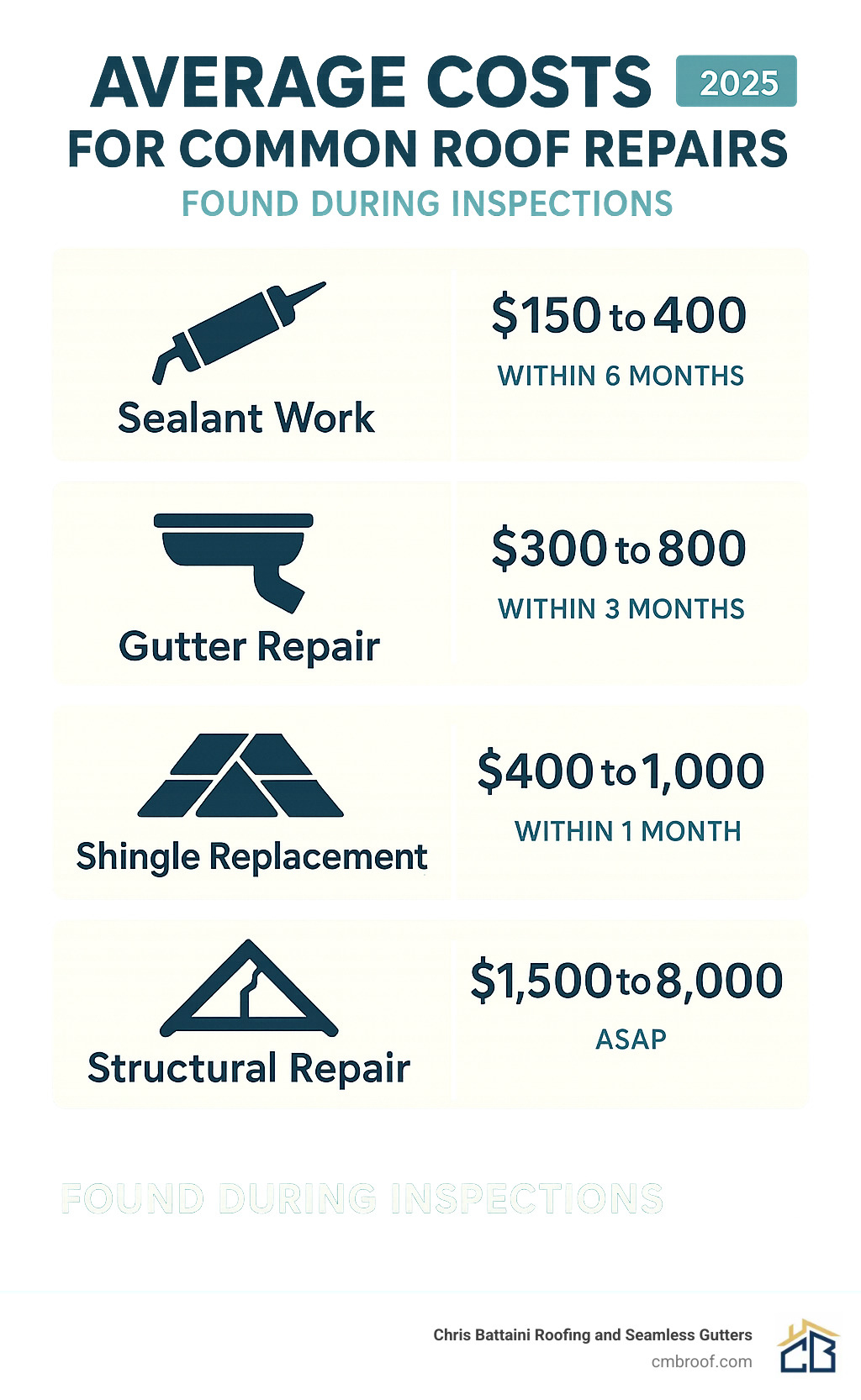
Structural integrity is your roof’s most important job, and small problems can quickly become big threats to your entire home. When water sneaks in through a loose shingle, it travels along roof decking, soaks into support beams, and creates the perfect environment for mold. What starts as a $300 repair can become a $15,000 nightmare if you wait too long.
Your energy efficiency takes a major hit when your roof develops problems too. Those tiny gaps and loose seals let your expensive heated and cooled air escape right through the roof. Proper roof sealing contributes to significant energy savings – money that stays in your pocket.
Insurance compliance might not be exciting, but it’s crucial for protecting your investment. Many insurance policies require regular maintenance documentation to keep your coverage valid. When storm damage hits, having recent inspection records can make the difference between a smooth claim and a frustrating fight.
For resale value, a well-maintained roof with inspection records tells potential buyers that you’re the kind of homeowner who takes care of things. Your roof is one of the first things buyers notice from the street.
Latest research on roof maintenance benefits from the International Institute of Building Envelope Consultants confirms what experienced roofers have known for decades – proactive maintenance consistently outperforms the “fix it when it breaks” approach.
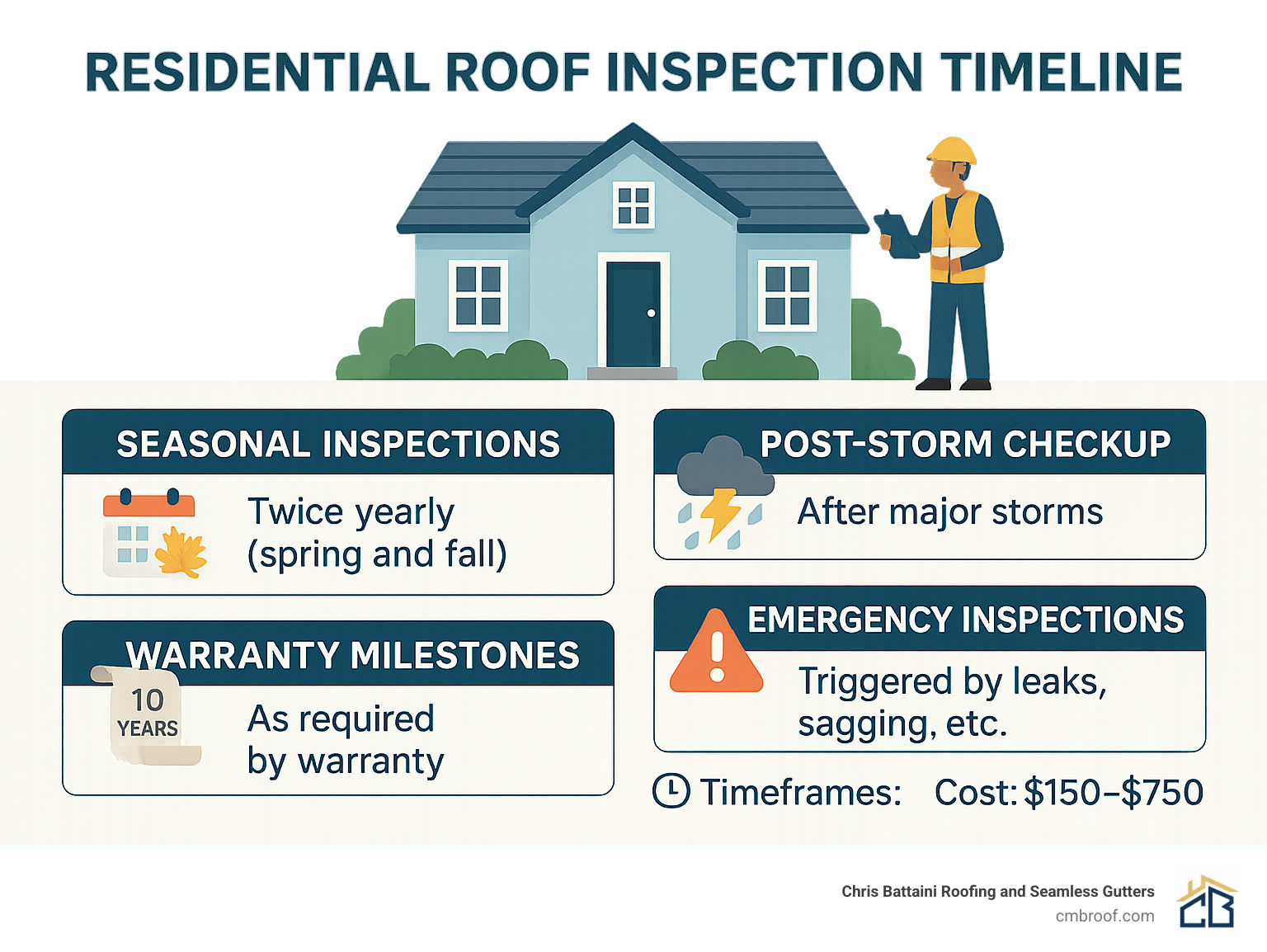
The timing of your roof inspections can make all the difference in catching problems early. Bi-annual inspections work best for most homes – one in spring and another in fall. Spring inspections catch any damage from winter before summer heat makes problems worse. Fall inspections ensure your roof is ready for winter.
Post-weather-event inspections are absolutely critical after significant storms. High winds can loosen shingles in ways that won’t show up until the next big storm. Hail creates tiny cracks that grow over time.
Don’t forget about warranty milestone inspections either. Many roofing manufacturers require periodic professional inspections to keep your warranty valid.
Early leak detection is like finding a small cavity before it becomes a root canal. A small leak caught during a routine inspection might cost $200-500 to fix properly. Ignore that same leak for a year, and you could be looking at $5,000-15,000 in repairs.
Lower repair bills come naturally when you address problems while they’re still manageable. Replacing a handful of loose shingles costs a fraction of what you’ll pay to replace entire roof sections after wind damage spreads.
Extended material life means getting the most value from your roofing investment. A roof designed to last 20 years might give you 25-30 years of reliable service with regular professional care.
When you hire a residential roof inspection service, you’re getting far more than someone with a ladder taking a quick look around. Professional inspectors follow a detailed, systematic process that examines every component of your roof system using specialized tools and techniques.
Think of it like going to the doctor for a complete physical versus just asking “How do you feel?” A thorough roof inspection reveals hidden problems that could cost you thousands if left undetected.
The process starts with a visual survey from ground level. Professional inspectors use high-powered binoculars to spot obvious problems before they ever set foot on your roof. This helps them plan their approach and know exactly where to focus their detailed examination.
Next comes the attic check, which often reveals more problems than the roof surface itself. Your attic tells the story of your roof’s health through water stains, compromised insulation, and ventilation issues. Inspectors use moisture meters to detect hidden water intrusion that might not show up as visible stains for months.
The flashing review gets special attention because these metal strips around chimneys, vents, and roof joints cause about 90% of all roof leaks. It’s like checking the seals on your car windows – small failures here create big problems everywhere else.
Soffits and vents receive careful examination since proper airflow prevents ice dams and extends your roof’s life. Blocked vents are like holding your breath – eventually, something’s going to give.
Gutter health assessment goes beyond just looking for clogs. Inspectors check attachment points, drainage patterns, and signs of water backup that can damage your roof’s edge and fascia boards.
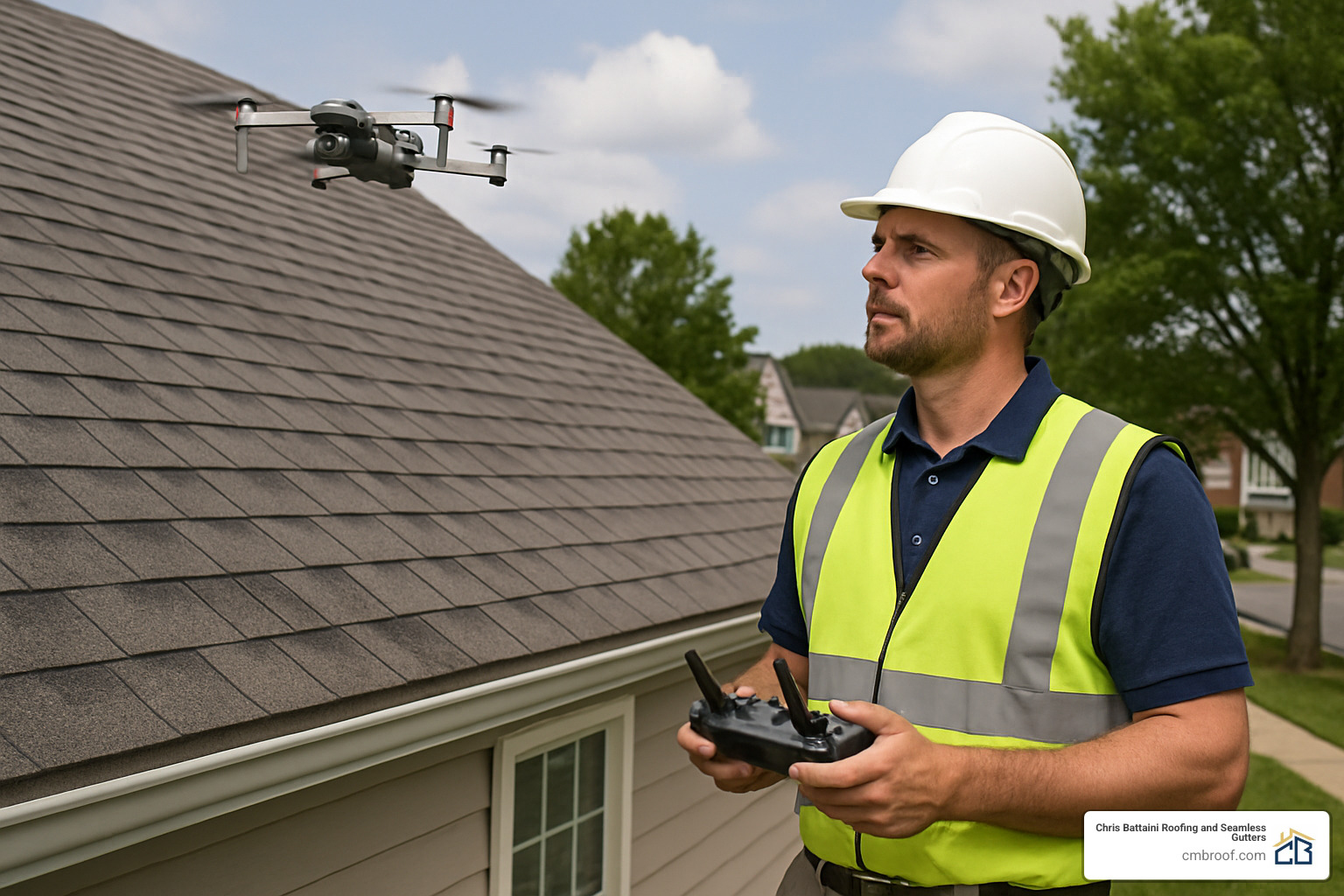
Modern drone overview technology has revolutionized roof inspections. These aerial views capture high-resolution images of steep or dangerous areas that would be risky to access on foot. Plus, drones can spot problems that aren’t visible from ground level.
Infrared scans work like thermal vision, detecting temperature differences that reveal moisture intrusion, missing insulation, or air leaks. This technology finds problems before they become visible damage.
Throughout the entire process, photo documentation creates a permanent record of your roof’s condition. These images become invaluable for insurance claims, warranty issues, and tracking how problems develop over time.
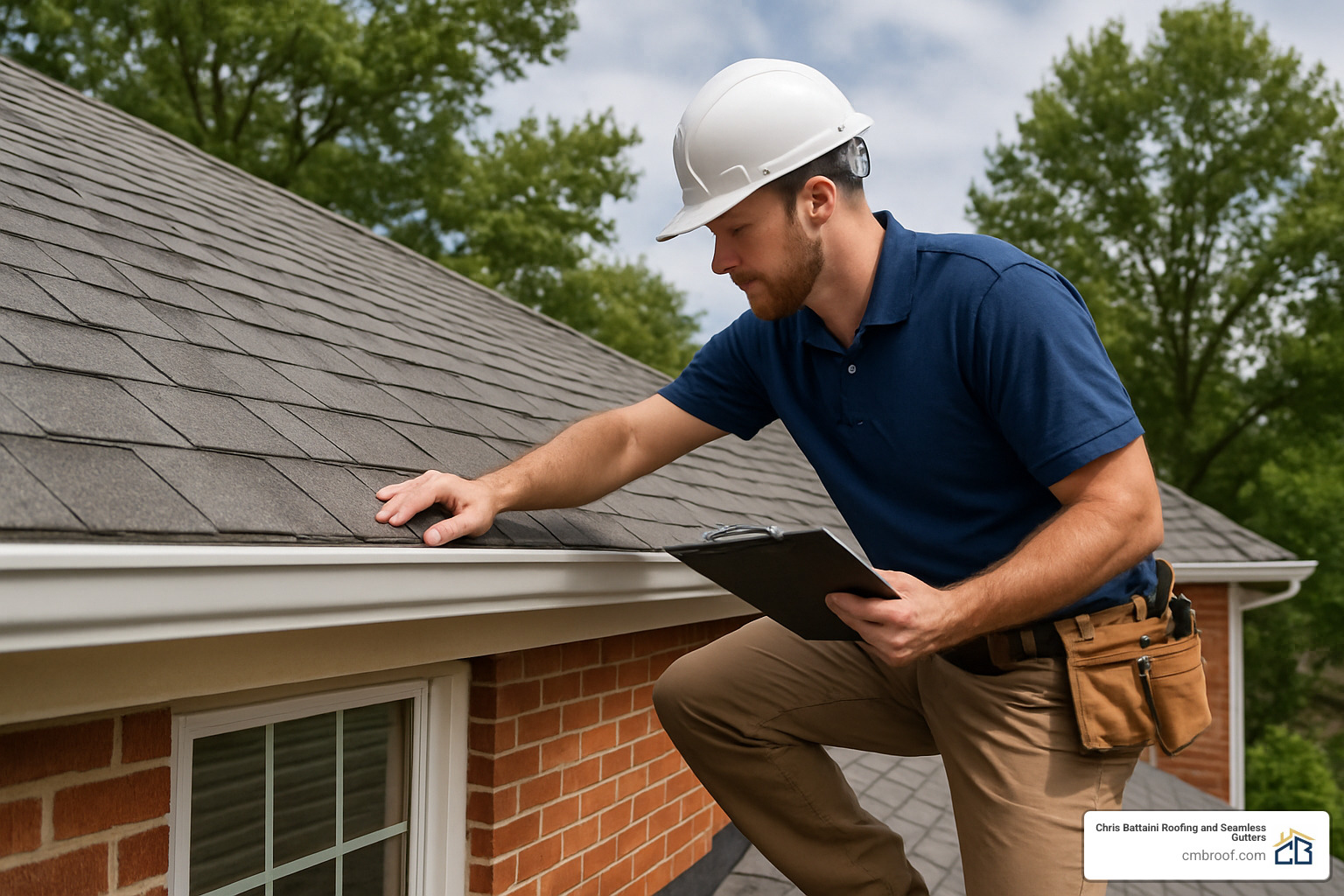
The exterior inspection covers every component systematically. Shingles get examined for missing pieces, curling edges, granule loss, and impact damage. Each type of shingle has its own failure patterns, and experienced inspectors know exactly what to look for.
Tiles on clay or concrete roofs require special expertise since walking on them incorrectly can cause more damage than the weather. Inspectors check for cracks, displaced tiles, and exposed underlayment.
Metal panels face unique challenges from expansion and contraction. Inspectors look for loose fasteners, corrosion, and sealant failure at joints and penetrations.
Chimney caps and their flashing get extra scrutiny because chimney penetrations are notorious leak sources. Cracked mortar, damaged caps, and compromised flashing seals can turn your cozy fireplace into a water entry point.
Skylight seals often get forgotten in routine maintenance, but UV rays and temperature changes gradually break down their seals. Regular inspection catches these problems before your skylight becomes a “sky-leak.”
The interior inspection often tells a different story than what’s visible outside. Insulation assessment checks whether you have adequate R-values and whether moisture or pests have compromised your thermal barrier.
Ventilation evaluation ensures proper airflow through ridge vents, soffit vents, and exhaust fans. Without proper ventilation, your attic becomes a condensation factory that can rot your roof decking from the inside out.
Structural deck inspection looks for sagging, rot, or damage from previous leaks. These problems require immediate attention because structural failure can happen suddenly.
Water stains get mapped and photographed to determine whether they’re from active leaks or old problems that have been properly repaired.
Finding a qualified residential roof inspection service can feel overwhelming, but knowing what to look for makes the process much simpler. The key is understanding that not all inspectors are created equal – and your choice can make the difference between catching problems early or missing them entirely.
Independence matters more than you might think. When an inspector works for a roofing company, they face an obvious conflict of interest. Their “inspection” often becomes a sales pitch for expensive repairs. True professionals work independently, with no financial incentive to find problems that don’t exist.
The best inspectors earn their credibility through proper certifications and industry recognition. Look for memberships in respected organizations like IIBEC (International Institute of Building Envelope Consultants) or RCABC (Roofing Contractors Association). These represent ongoing education and adherence to professional standards.
BBB ratings provide valuable third-party validation of customer satisfaction. An A+ rating reflects sustained quality service and fair complaint resolution.
The RRO designation (Registered Roof Observer) indicates advanced training in inspection techniques. This certification requires ongoing education and demonstrates serious commitment to the profession.
Quality inspectors also back their work with workmanship warranties on their inspection services. This demonstrates confidence in their thoroughness and professionalism.
| Factor | Independent Inspector | Roofing Contractor Inspector |
|---|---|---|
| Objectivity | High – no sales motive | Lower – may recommend own services |
| Specialization | Focused on inspection only | Inspection secondary to installation |
| Cost | Moderate inspection fee | May be “free” but leads to sales pitch |
| Report Detail | Comprehensive, unbiased | May emphasize problems requiring contractor services |
| Follow-up | Consultation only | Sales pressure likely |
RRO licensing or equivalent certification shows specialized training in roof inspection techniques. This isn’t the same as general contractor licensing – it’s specific expertise in finding and documenting roof problems.
Liability insurance protects everyone involved if accidents happen during inspection. Roof work is inherently dangerous, and you don’t want to be liable if someone gets hurt on your property. Always verify current coverage.
Local code expertise ensures your inspector understands regional requirements. Massachusetts building codes differ from those in other states, especially regarding snow loads, ice dam prevention, and ventilation requirements.
Safety training separates professionals from amateurs. Qualified inspectors follow OSHA guidelines and use proper safety equipment. They know how to walk on different roof types without causing damage.
The best inspectors have a decade or more of actual hands-on roofing experience. Some senior professionals bring over 40 years of practical knowledge to every inspection.
Report format questions are crucial. Will you receive a written report with photographs? How detailed will the findings be? Make sure the report can be used for insurance claims or real estate transactions.
Turnaround time varies by complexity and weather conditions. Industry standard is 3-4 days for a comprehensive written report. Be wary of inspectors who promise same-day reports.
Follow-up support separates good inspectors from great ones. Will they be available to answer questions about the report? The best inspectors act as consultants, helping you understand your options.
Conflict of interest questions get to the heart of inspector independence. Does the inspector sell roofing services or receive referral fees from contractors? True independence requires no financial ties to repair services.
No written report is perhaps the biggest red flag in the industry. Professional inspections always include detailed written documentation with photographs. If an inspector offers only verbal feedback, they’re not providing professional service.
Pushy sales tactics reveal that your “inspector” is actually a salesperson in disguise. Legitimate inspectors provide information and recommendations without pressure to buy additional services immediately.
Lack of references suggests limited experience or poor customer satisfaction. Established inspectors readily provide references from recent clients.
Too-good-to-be-true pricing often indicates inexperience or hidden costs. While you shouldn’t overpay for inspection services, extremely low prices may signal corners being cut on thoroughness or expertise.
Let’s talk numbers – because nobody likes surprise bills. A residential roof inspection service typically costs between $150-$750 based on internet data, though high-end services can reach $2,000+ for complex properties with multiple buildings or specialized assessments. These are average costs based on internet data and not actual costs for Chris Battaini Roofing and Seamless Gutters.
What drives these price differences? Your roof size and complexity plays the biggest role. A simple ranch house takes less time than a Victorian with multiple dormers, steep angles, and decorative features. Access difficulty matters too – if your roof is three stories high or surrounded by mature trees, expect to pay more for the extra safety measures and time required.
The technology used during your inspection directly impacts both cost and value. Basic visual inspections cost less, but modern drone imagery captures angles and details impossible from ground level, while thermal cameras reveal hidden moisture problems that could save you thousands down the road.
Today’s professional inspections use advanced tools. Captioned photo logs document every problem area with crystal-clear images and detailed explanations. Cloud-based portals mean you can access your inspection report from anywhere – perfect when you’re meeting with contractors or calling your insurance company.
More info about Roof Inspection Services explains how we integrate these modern technologies into every inspection.
Your inspection report isn’t just a fancy way to tell you “your roof has problems.” A professional residential roof inspection service delivers a comprehensive document that becomes your roadmap for roof care.
The executive summary cuts through technical jargon to give you the bottom line. Think of it as the “TL;DR” version that tells you whether to sleep peacefully or start making phone calls to contractors.
Every defect found gets catalogued with location details, photos, and severity ratings. Instead of vague statements like “some shingles are loose,” you’ll see exactly which section of roof needs attention and why it matters.
Repair priorities rank problems by urgency. This prevents the panic of thinking everything needs fixing yesterday while helping you budget repairs sensibly. Emergency items get flagged for immediate action, while minor maintenance can wait.
Your maintenance schedule provides ongoing guidance between professional visits. Most reports arrive within 3-4 days electronically, so you can start planning repairs while the inspection details are fresh.
Your inspection report isn’t just documentation – it’s financial protection. When storm damage occurs, claim evidence from professional inspections carries serious weight with insurance adjusters. Detailed photos and expert assessments help prove your case and speed up claim processing.
In real estate transactions, inspection reports provide negotiation power that can save thousands. Buyers use findings to request price reductions or required repairs before closing. Sellers benefit too – addressing problems upfront prevents last-minute deal complications.
Disclosure compliance protects everyone involved. Professional documentation shows that known issues were properly identified and communicated, reducing legal liability for sellers and providing transparency for buyers.
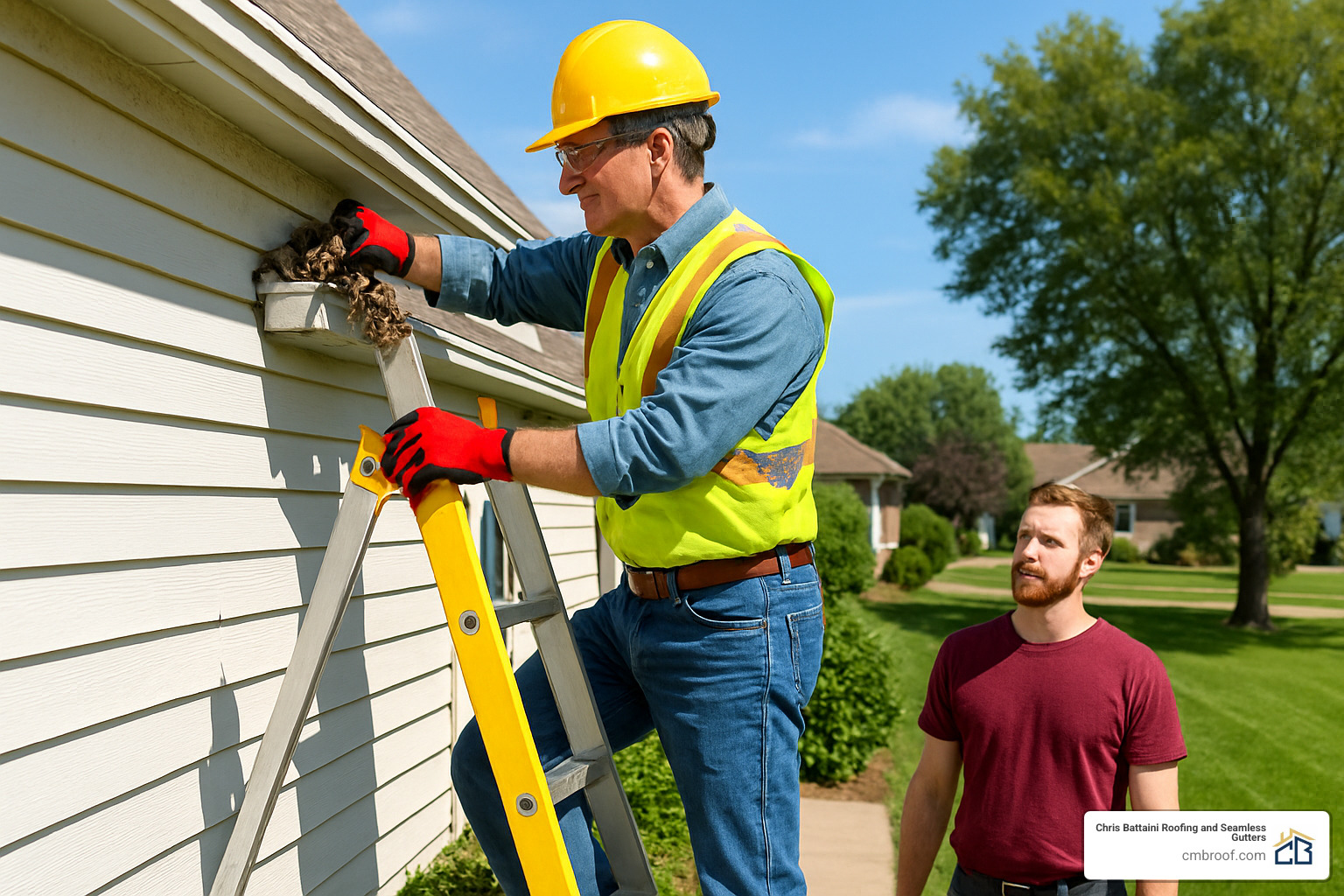
Think of yourself as your roof’s daily caretaker between residential roof inspection service visits. While you can’t replace professional expertise, you can definitely catch obvious problems early and keep small issues from becoming expensive headaches.
The golden rule of DIY roof care? Stay safe, stay smart, and know your limits. You don’t need to become a roofing expert, but a little regular attention goes a long way.
Safe ladder use isn’t just important – it’s absolutely critical. For every 4 feet your ladder goes up, the bottom needs to be 1 foot away from your house. Always have someone hold the ladder, and never work alone or when it’s windy.
Binocular scanning from your yard is surprisingly effective for spotting problems. Once a month, grab a pair of binoculars and take a slow walk around your house. Look for missing shingles, sagging spots, or piles of debris.
Gutter cleaning is probably the most important DIY task you can tackle. Twice a year – after the leaves fall and before spring rains hit – those gutters need attention. Clogged gutters don’t just overflow; they back water up under your roof edge and create ice dams that can cause thousands in damage.
Debris removal keeps your roof breathing properly. Leaves, branches, and other junk love to collect in roof valleys and behind chimneys. This stuff holds moisture against your roof materials and speeds up wear.
Trimming branches that hang over your roof prevents bigger problems down the road. Keep branches at least 6 feet away from your roof when possible. Falling branches don’t just damage shingles; they can punch holes that lead to major leaks.
Minor sealant touch-ups around vents and chimneys can stop small problems before they become big ones. High-quality roofing sealant and careful application can handle minor cracks or gaps. But remember – if you’re not sure what you’re doing, it’s better to wait for the professionals.
More info about Roof Repair can help you understand when your DIY efforts should give way to professional expertise.
Here’s the thing about roof safety: wet roofs, icy roofs, and steep roofs are off-limits for homeowners. The cost of a professional service call is pocket change compared to medical bills from a roofing accident.
When homeowners start thinking about getting a residential roof inspection service, they naturally have questions. We’ve been helping families across Berkshire County for years, so we’ve heard just about every concern. Here are the answers to the most common questions we get.
Missing or damaged shingles take the top spot, especially after those notorious New England wind storms. Even losing just a few shingles creates entry points for water that can cause thousands in damage if left unchecked.
Cracked or deteriorated flashing comes in as a close second, and frankly, it’s the sneakiest problem of all. This metal work around your chimney, vents, and other roof penetrations causes about 90% of roof leaks. The tricky part? You usually can’t see flashing problems from the ground.
Ponding water in low areas signals drainage issues that can cut your roof’s lifespan short. This is particularly common on flatter roofs where water doesn’t shed quickly enough.
Don’t overlook gutter problems either. Clogs, improper slope, or loose attachments might seem minor, but they can cause water to back up and damage your roof edges.
Ventilation issues round out the top five. Blocked soffit vents or inadequate ridge ventilation create perfect conditions for ice dams during our harsh winters and can cause materials to fail prematurely year-round.
This is a great question that comes up more and more as technology advances. Drones are fantastic complementary technology, but they’re not a complete substitute for traditional inspection methods.
Here’s what drones excel at: they can safely access those scary steep sections and dangerous areas that would put human inspectors at risk. They provide incredible visual documentation from angles that would be impossible to achieve otherwise.
But drones have their limitations too. They can’t perform the tactile tests that reveal whether materials are becoming brittle. They can’t access your attic space to check for interior signs of problems. And they definitely can’t test whether flashing is properly sealed.
The best residential roof inspection services combine both approaches. We use drone technology for comprehensive visual assessment while still doing the hands-on work that catches subtle problems requiring close examination.
Take a deep breath – finding problems during an inspection is actually good news, even when they’re significant. It means you’re catching issues before they become catastrophic failures that cost exponentially more to fix.
Prioritize repairs based on your inspector’s recommendations. Safety hazards and problems that could worsen quickly should be addressed first. Issues that are stable can be scheduled accordingly.
Request multiple quotes from qualified roofing contractors for any significant work. Use your inspection report to ensure everyone is bidding on exactly the same scope of work.
Schedule a follow-up inspection after repairs are completed. This verifies that the work was done properly and ensures all identified problems were actually addressed.
Catching issues early – even major ones – is far more cost-effective than waiting until complete failure occurs.
Your roof works around the clock to protect everything you hold dear – your family, your belongings, and your biggest financial investment. Yet most homeowners only think about their roof when something’s already gone wrong. That’s like waiting for chest pains before visiting the doctor.
A professional residential roof inspection service changes this reactive approach into a proactive strategy that saves money and prevents headaches. Regular inspections can extend your roof’s lifespan by years while catching expensive problems when they’re still affordable to fix.
At Chris Battaini Roofing and Seamless Gutters, we’ve seen how a $300 inspection can prevent a $15,000 emergency repair. We’ve also watched homeowners sleep better at night knowing their roof’s true condition – especially during those fierce New England storms.
Our owner-led approach means Chris Battaini personally oversees every inspection, bringing decades of hands-on roofing experience to your property. We’re not just checking boxes on a form – we’re using the same critical eye that’s helped us build a reputation for quality throughout Western Massachusetts.
Modern technology meets old-school thoroughness in our inspection process. We use drone surveys to safely access steep areas and thermal imaging to spot hidden problems, but we still climb into your attic and examine flashing up close.
Your detailed report becomes a roadmap for protecting your investment. Whether you need it for insurance claims, real estate negotiations, or simply planning your home maintenance budget, you’ll have professional documentation that carries weight.
Our comprehensive warranties back up everything we do. When we inspect your roof, we stand behind our assessment. If we miss something significant, we make it right – that’s the confidence that comes from doing this work the right way for years.
Don’t let another season pass wondering about your roof’s condition. The peace of mind that comes from professional assessment is worth far more than the modest cost of inspection.
Contact us today to schedule your professional roof inspection. We proudly serve Berkshire, Hampden, Hampshire, and Franklin Counties in Massachusetts, bringing the same commitment to quality and personal service that has made us a trusted name throughout the region.
Need a reliable roofer? CMB Roofing provides licensed, insured, and professional roofing services for homeowners and businesses.
We stand by a simple promise: Clear estimates. Quality workmanship. Clean job sites.
From roof repairs and full replacements to storm damage restoration, our team delivers dependable results with durable materials, expert installation, and complete site cleanup.