

Protecting Your Home From Top to Bottom
Gutter and siding systems are your home’s primary defense against the elements. If you’re looking for gutter and siding solutions, here’s what you need to know:
- Function: Gutters channel water away from your foundation; siding shields your home from weather
- Lifespan: Most gutters last 20 years; vinyl siding can last 20-40+ years with proper care
- Installation Order: Roof first → siding second → gutters last (for optimal protection)
- Combined Benefits: 75% ROI on siding replacement; reduced energy costs; improved curb appeal
Your home’s exterior works as a complete system to protect what matters most. When functioning properly, your gutter and siding create a defensive perimeter that shields your home from water damage, temperature fluctuations, and structural deterioration.
Like a well-designed suit of armor, these components must work together seamlessly. Gutters capture rainfall from your roof and direct it away from your foundation, while siding creates a protective shell that insulates and beautifies your home.
“Replacing siding and gutters together ensures your home is properly protected and maximizes the value of your investment,” notes industry research from Remodeling Magazine’s Cost vs. Value Report, which shows siding replacement generally yielding a 75% return on investment.
When these systems fail, the consequences can be severe – from foundation damage and wood rot to mold growth and even structural failure. That’s why choosing the right gutter and siding solutions is one of the most important decisions you’ll make as a homeowner.

How Gutters & Siding Defend Your Home
Your home faces a daily battle against the elements. Rain, snow, wind, and sun constantly work to break down your home’s defenses. A properly functioning gutter and siding system is your first line of protection in this never-ending struggle.
Think of your home’s exterior as a team of specialized defenders, each with a crucial role to play:
Gutters are your water management experts. They collect rainfall from your roof and safely channel it away from your foundation. Without these humble heroes, water would simply cascade down your walls, pool around your foundation, and eventually find its way into your basement or crawl space—causing thousands in damage.
“Overflowing gutters can cause siding and wood exterior to rot and invite pests,” as industry experts often note. This is why proper gutter function isn’t just about water diversion—it’s essential for protecting your entire home, including your siding investment.
Siding acts as your home’s protective armor. While it certainly adds beauty to your property, its primary job is creating a critical barrier that shields your home from harm. Good siding protects structural elements from moisture damage, adds valuable insulation to improve energy efficiency, keeps pests from getting inside, reduces your maintenance headaches, and boosts your property value significantly.
When these systems work together in harmony, they create a protective envelope around your home that can stand strong for decades with proper care.
The Science Behind Runoff Control
The physics of water management is more complex than most homeowners realize. During even a moderate rainfall, your roof collects an enormous amount of water. For perspective, just one inch of rain falling on a 2,000-square-foot roof generates approximately 1,250 gallons of water!
This water follows a carefully designed path through your gutter system:
First comes collection, where gutters gather water as it runs off your roof edge. Next is transportation, as the slight slope of your gutters moves water toward downspouts. Then discharge happens when downspouts carry water down and away from your foundation. Finally, dispersal occurs through extensions or underground drains that distribute water safely away from your home.
Getting the sizing right is crucial—5″ and 6″ seamless gutters are standard for most homes, with the larger size recommended for steep roofs or areas with heavy rainfall. As one happy Berkshire County customer told us: “Our new gutters from Chris Battaini were installed just before torrential rains and handled all water without issues.”
The enemy in this battle is hydrostatic pressure. When water pools around your foundation, it creates pressure that forces moisture through even tiny cracks. Over time, this leads to basement leaks, foundation damage, and even structural shifting of your home.
The Role of Exterior Cladding
Your siding isn’t just about making your home look pretty—it’s a sophisticated weather barrier protecting everything behind it. Modern siding systems serve multiple crucial functions:
It provides weather resistance by repelling rain, snow, and wind. It creates a thermal barrier that adds insulation value, especially with today’s insulated options. Good siding includes moisture control features with drainage planes to manage any water that might penetrate. It offers UV protection to prevent sun damage to structural elements. And yes, it delivers aesthetic improvement that boosts curb appeal and resale value.
“Properly installed siding can help reduce energy bills by improving your home’s insulation,” according to industry research. This is particularly true with insulated siding options that add an additional thermal barrier between your home and the harsh Berkshire County winters.
The partnership between gutter and siding systems cannot be overstated. When gutters fail, water pours down siding, potentially seeping behind it and causing structural damage. When siding fails, water can enter your home regardless of how well your gutters function.
At Chris Battaini Roofing and Seamless Gutters, we understand this critical relationship and ensure both systems work together to keep your home safe, dry, and beautiful through every season.
Replace Both or One? Signs, Timing & Project Order for gutter and siding Upgrades
How do you know when it’s time to replace your gutter and siding? And should you tackle both projects simultaneously? These are common questions homeowners face when addressing exterior maintenance.
Red Flags You Can’t Ignore
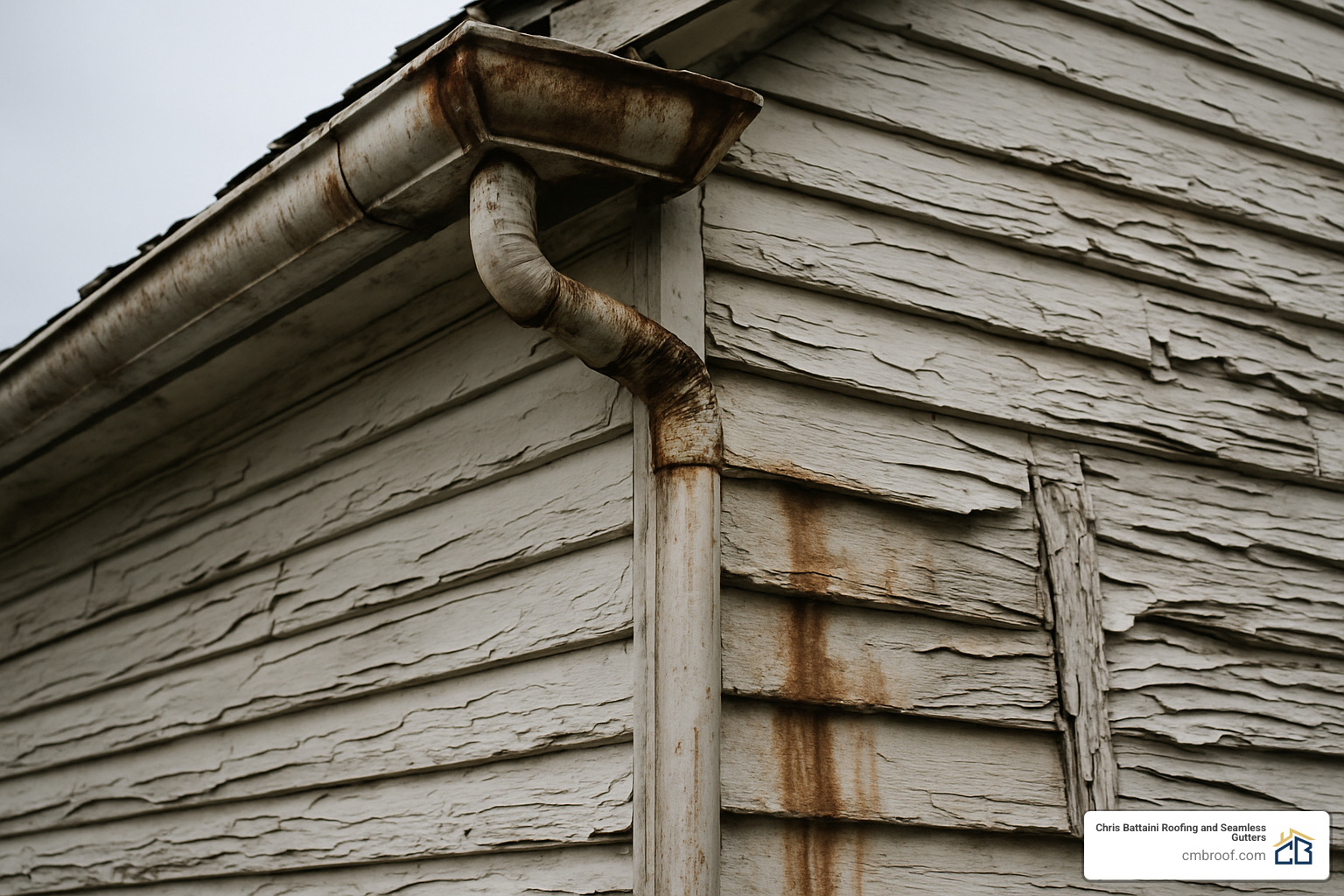
Your home speaks its own language when it comes to needed repairs—you just need to know how to listen. When it comes to siding, keep an eye out for paint that’s cracking or peeling extensively. This isn’t just an aesthetic issue; it’s your home’s way of saying moisture is getting where it shouldn’t.
Warped or buckled panels are another tell-tale sign that water has infiltrated your siding. As one industry expert puts it: “Swelling or warping creating gaps in siding is a clear indicator that water is penetrating and causing damage.” If you spot visible rot or fungus growing on your siding surface, that’s not just unsightly—it’s a red flag that your home’s protective barrier is failing.
Inside your home, water stains on interior walls that sit adjacent to exterior walls often indicate that your siding is letting moisture through. And if you’ve noticed your energy bills climbing dramatically without explanation, your siding might no longer be providing proper insulation.
Your gutters have their own way of crying for help. Visible cracks, rust spots, or holes mean water is escaping before reaching downspouts. If you notice your gutters sagging or pulling away from the fascia, they’re likely full of debris or damaged from ice dams.
“Mildew on home or roof and pooling water near foundation are telltale signs your gutters aren’t doing their job,” according to home maintenance professionals. When you see water marks beneath your gutters or water overflowing during even moderate rainfall, your gutter system is no longer functioning as designed.
Multiple warning signs typically suggest replacement rather than repair, especially if your systems are approaching the end of their expected lifespan. For more information about gutter installation options, check out our gutter installation page.
Ideal Installation Order for Maximum Savings
The sequence of exterior projects matters more than most homeowners realize. For optimal protection and cost efficiency, follow this order:
- Roof replacement first
- Siding replacement second
- Gutter installation last
This sequence isn’t arbitrary. Roofing work often requires removing or disturbing gutters attached to the fascia. As one contractor explains: “Installing gutters last can save on reinstallation costs and prevent damage during roof and siding work.”
Similarly, siding installation frequently involves working around or temporarily removing gutters. By installing new gutters after completing the siding, you ensure they’re properly positioned against the new exterior and securely attached to the fascia.
If your gutters are currently causing significant issues like foundation damage, an industry professional advises: “If your gutters are damaged and causing issues, install or repair them first, include a damage-liability clause in contracts with other workers, and consider gutter guards.”
Understanding the typical lifespan and costs of these components can help you plan your project timeline and budget effectively:
| Component | Average Lifespan | Average Replacement Cost |
|---|---|---|
| Asphalt Roof | 15-30 years | $5,000-$25,000 |
| Vinyl Siding | 20-40 years | $5,000-$30,000 |
| Aluminum Gutters | 20 years | $1,500-$12,000 |
| Copper Gutters | Up to 50 years | $8,000-$30,000 |
| Fiber Cement Siding | 50+ years | $10,000-$45,000 |
Note: These are average costs based on internet data and not actual costs for Chris Battaini Roofing and Seamless Gutters.
For the latest research on return on investment for these projects, check out the Cost vs. Value report on siding replacement.
Should You Bundle the Jobs?
There are compelling reasons to tackle gutter and siding replacement as a single project. From a cost efficiency standpoint, you’ll benefit from a single setup and cleanup process, reduced labor costs through efficient scheduling, and potential material discounts for larger projects. Many municipalities also charge permit and inspection fees, which you’ll only pay once with a bundled project.
The performance benefits are equally significant. Simultaneous installation ensures proper integration between your water management systems. You’ll avoid the frustration of having new siding damaged by old, failing gutters. A single project also allows for coordinated color matching and design choices that improve your home’s curb appeal.
The practical advantages of bundling shouldn’t be overlooked either. You’ll manage just one contractor relationship instead of multiple ones, enjoy coordinated warranty coverage, and experience only one disruption to your home and daily routine.
As one satisfied homeowner shared: “Having the same crew handle both our siding and gutters meant everything fit perfectly together, and the color match was spot-on.”
At Chris Battaini Roofing and Seamless Gutters, we often recommend this approach when both systems show signs of wear. A comprehensive exterior update creates a complete water management solution that protects your home for decades while maximizing your return on investment.
Chris Battaini Roofing and Seamless Gutters proudly serves Berkshire, Hampden, Hampshire, and Franklin Counties in Massachusetts.
Seamless Aluminum Gutter Systems
When it comes to modern gutter solutions, seamless aluminum systems have become the gold standard for most homes. These systems strike that perfect balance of performance, longevity, and value that most homeowners are looking for.

What makes seamless gutters special? Unlike traditional sectional gutters that come in pre-cut pieces, seamless systems are created right in your driveway using specialized roll-forming machines. This on-site fabrication creates custom-length gutters with joints only where absolutely necessary – at corners and downspout connections.
“The magic happens right before your eyes,” says Chris Battaini. “We measure your home exactly, then form gutters that fit like they were made for your house – because they literally are.”
Standard residential seamless gutters typically come in 5″ and 6″ sizes. We generally recommend the larger size for homes with steep roofs or for properties in our Massachusetts regions that experience heavy rainfall. Downspouts usually measure 2″x3″ or 3″x4″ depending on how much water flow we anticipate your system will need to handle.
One feature our customers particularly love is color matching. As one Berkshire County homeowner shared: “They matched our downspouts perfectly to our colonial blue trim – you barely notice they’re there until it rains!”
Pros & Cons
Seamless aluminum gutters shine in several important ways. They have fewer leak points since seams only exist at corners and downspouts. Their custom fit means they’re measured for your home’s exact dimensions, not some theoretical standard. The wide color selection lets you match or complement your home’s exterior for that finished look.
They’re also relatively affordable compared to premium materials like copper, while remaining lightweight yet durable with a typical lifespan of 20+ years. Many of our installations are completed in a single day, and with proper gutter guards, they require minimal maintenance.
Of course, no system is perfect. Aluminum isn’t as long-lasting as premium materials like copper. They can dent if hit by a ladder or during severe hailstorms. In harsh New England winters, they might need repainting after 10-15 years. And unlike sectional gutters you might DIY, seamless systems require professional installation with specialized equipment.
As one industry report notes: “Sectional gutters cost less initially, but their seams mean more potential leaks. Seamless gutters cost more upfront, but when repairs are needed, larger sections typically need replacement.”
Best For
Seamless aluminum gutter systems are particularly well-suited for most Berkshire County homes, especially those with vinyl or fiber cement siding where color matching is important. They’re perfect for budget-conscious homeowners who still want quality and longevity without breaking the bank.
They perform well in most climate zones, though homes in areas with extreme weather might need additional considerations. And they’re ideal for homes where appearance matters but premium materials like copper would stretch the budget too far.
“Our aluminum gutters handled last spring’s downpours without a single problem,” reported one homeowner in Pittsfield. “The water just flows right where it should – away from our foundation.”
At Chris Battaini Roofing and Seamless Gutters, we bring our roll-forming equipment directly to your property, creating a perfect fit for your home’s exact dimensions. This approach eliminates guesswork and minimizes waste, resulting in a superior gutter and siding system that protects your home for decades.
For more information about our seamless gutter options, visit our Seamless Gutters page.
Insulated Vinyl Siding Panels
When you’re looking at modern siding options, insulated vinyl stands out for good reason – it’s the perfect blend of durability, energy efficiency, and “never have to paint it again” appeal that many homeowners love.
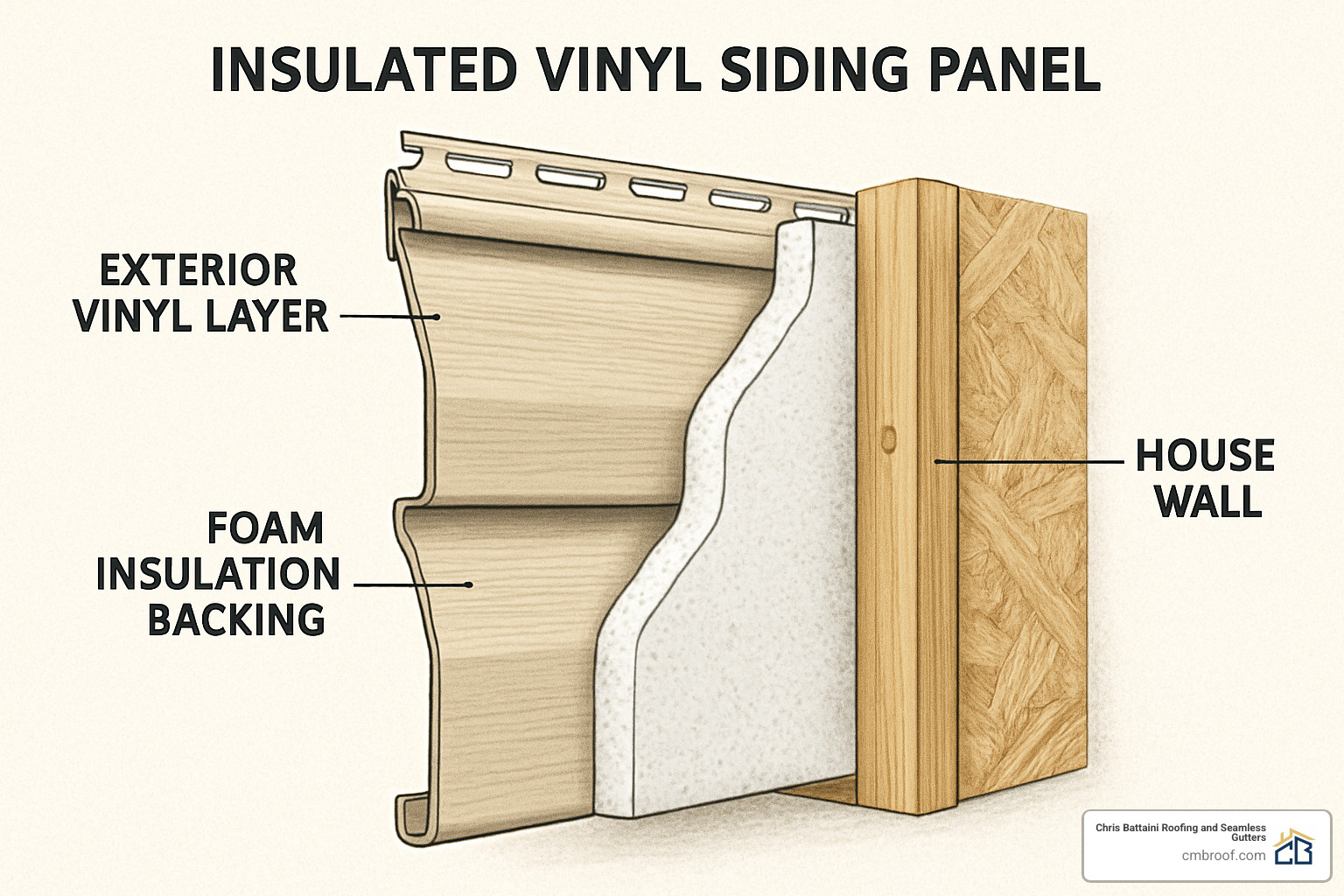
Unlike traditional vinyl, insulated panels come with a layer of rigid foam backing that transforms an already practical product into something special. This clever design fixes many of the issues that made people hesitant about vinyl in the past.
“Vinyl siding can last for decades, with some cases providing another 10-20 years of service after the 20-year mark if well maintained,” according to industry reports. But the insulation backing is where the magic really happens.
That foam layer isn’t just there for show. It boosts your home’s R-value, creating a thermal barrier that keeps heat where it belongs (inside during winter, outside during summer). It also gives the siding a more substantial feel – no more hollow sound when you tap on it. Many homeowners are surprised by how much outside noise gets blocked, creating a quieter indoor environment.
The backing also helps the panels maintain their shape over decades of weather exposure. Even better, it creates a smoother appearance by evening out minor wall imperfections that might otherwise show through.
Today’s vinyl options have come a long way from the limited styles of the past. You can choose from classic horizontal clapboard, Dutch lap with its distinctive shadow line, vertical panels for a modern look, or even shake and shingle styles that mimic the appearance of cedar without the maintenance headaches. For visual interest, scalloped designs make perfect accent pieces on gables and dormers.
Pros & Cons
The advantages of insulated vinyl are significant. The energy efficiency boost can make a real difference in your heating and cooling bills, especially in our Berkshire County winters. Many homeowners appreciate the low maintenance requirements – just an occasional rinse with a garden hose keeps it looking fresh.
Modern manufacturing techniques have solved many of the fading issues that plagued early vinyl products. Today’s panels maintain their color for decades, even in direct sunlight. The insulation backing also improves impact resistance, helping the siding withstand minor bumps and dings that would dent aluminum.
Despite these benefits, insulated vinyl isn’t perfect. It can melt if exposed to intense heat – keep your grill at least 3 feet away from the siding. While the backing improves impact resistance, it’s still not as tough as fiber cement in extreme weather conditions like severe hailstorms.
Some environmentally-conscious homeowners have concerns about vinyl production and disposal. And while modern vinyl can closely mimic the appearance of wood, discerning eyes can still tell the difference between vinyl and premium natural materials like cedar or fiber cement.
“Properly installed siding can help reduce energy bills by improving your home’s insulation,” confirms one industry source, highlighting one of the main reasons homeowners choose insulated vinyl.
Best For
Insulated vinyl really shines in certain situations. If you live in a cold climate region like Berkshire County, the additional insulation layer provides meaningful energy savings that you’ll notice in your utility bills.
Homes near busy streets or in urban environments benefit from the noise-dampening qualities of insulated panels. The clean lines and consistent appearance appeal to those who prefer a modern aesthetic without constant upkeep.
For budget-conscious renovations where energy efficiency matters, insulated vinyl hits the sweet spot between affordability and performance. The foam backing also helps disguise minor wall irregularities that might show through with standard siding options.
One of our customers told us: “After installing insulated vinyl siding, we noticed an immediate difference in our energy bills and how quiet our home became.” This real-world feedback highlights the practical benefits beyond just curb appeal.
At Chris Battaini Roofing and Seamless Gutters, we often recommend insulated vinyl siding for our customers in Berkshire County and Southern Vermont. The additional insulation is particularly valuable during our cold winters, and the low maintenance requirements mean you can spend your weekends enjoying the Berkshires instead of maintaining your home’s exterior.
Copper Gutters for Heritage Homes
For discerning homeowners seeking the ultimate in longevity and aesthetic appeal, copper gutter systems represent the pinnacle of gutter and siding solutions. These premium systems offer best durability and develop a distinctive patina that only gets more beautiful with age.
Copper gutters have long been the choice for historic renovations, high-end custom homes, and properties where owners plan to stay for decades. Yes, the initial investment is substantial, but when you consider the long-term value, the math often works in copper’s favor.
“Copper gutters can last up to 50 years, far beyond the typical 20-year lifespan of standard gutters,” notes one industry expert. This remarkable longevity means that while you’ll pay more upfront, you might never need to replace them again in your lifetime.
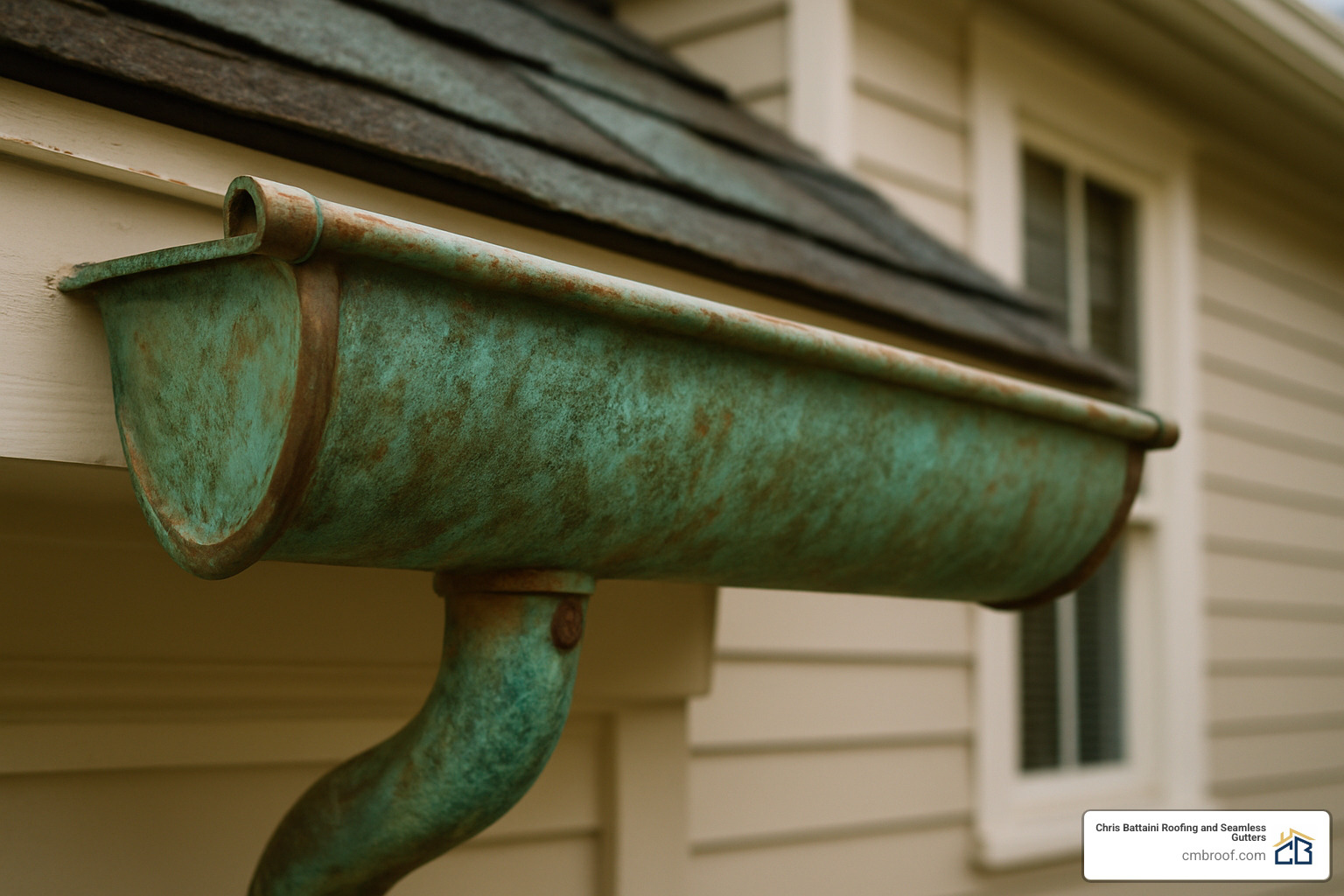
The beauty of copper gutters goes far beyond their functionality. There’s something almost magical about watching them transform over time – from their initial bright penny shine to a rich, warm brown, and eventually to that iconic verdigris green patina that’s impossible to replicate artificially. This natural aging process actually improves their appearance rather than degrading it.
Heritage home owners particularly appreciate the traditional half-round profile that complements historic architecture. The natural antimicrobial properties of copper also mean less algae and mold growth, while the material itself never needs painting or surface treatments – just occasional cleaning to keep them flowing properly.
Pros & Cons
The advantages of choosing copper gutters are substantial. Their exceptional longevity often exceeds 50 years, making them a once-in-a-lifetime purchase for many homeowners. The developing patina creates a living finish that improves your home’s character year after year.
Copper gutters require zero maintenance beyond normal cleaning, and they offer strong resistance to corrosion even in harsh coastal environments. They also provide a significant boost to property value through their distinctive appearance that instantly sets your home apart from others in the neighborhood.
From an environmental perspective, copper is 100% recyclable, making it a sustainable choice for eco-conscious homeowners.
Of course, these benefits come with some considerations. The premium price point can be 3-5 times the cost of aluminum systems, putting them out of reach for some budgets. Installation requires specialized skills, as proper soldering techniques are essential for a watertight system that will last decades.
In some areas, there may be a potential theft risk due to the material value, though this is relatively rare. Weight considerations may require improved structural support in some applications, and unlike painted materials, you’re limited to copper’s natural color evolution – though most owners consider this a feature rather than a limitation.
“Using copper gutters for a longer-lasting system can serve up to five decades,” confirms one case study, highlighting why this investment makes sense for certain properties.
Best For
Copper gutter systems shine brightest on historic properties seeking authentic period details. The material was widely used in centuries past, and nothing else can replicate its authentic look and aging characteristics.
They’re also perfect for high-end custom homes where quality and aesthetics are paramount – particularly those with natural material exteriors. Copper pairs beautifully with cedar shakes, slate roofing, or brick exteriors, creating a cohesive, premium appearance.
For homeowners planning to stay put long-term, the math often favors copper despite the higher initial investment. Coastal properties or locations with high salt exposure benefit from copper’s natural resistance to corrosion where other metals might fail quickly.
One heritage home owner shared: “Our copper gutters have developed the most beautiful patina over the past decade – they’re not just functional, they’re architectural jewelry for our home.”
At Chris Battaini Roofing and Seamless Gutters, we specialize in copper gutter installation for distinctive homes throughout Berkshire County. The craftsmanship required for proper copper gutter installation is considerable, but the results are best in both performance and beauty. When you’re ready to make a once-in-a-lifetime investment in your home’s water management system, our skilled craftsmen are ready to create a copper gutter system that will protect and beautify your home for generations.
Fiber-Cement Siding with Rainscreen
For homeowners seeking exceptional durability and modern moisture management, fiber-cement siding with an integrated rainscreen system represents one of the most advanced gutter and siding solutions available today.
Imagine siding that stands up to practically everything Mother Nature throws its way. That’s fiber-cement siding in a nutshell. This remarkable material combines cement, sand, and cellulose fibers to create panels that resist rot, repel insects, withstand fire, and shrug off impact damage. When paired with a rainscreen system, you’re looking at what many building professionals consider the gold standard in exterior protection.
“Fiber cement siding can last 50+ years with proper installation and maintenance,” according to industry research from Scientific research on moisture control. This exceptional longevity means your investment continues paying dividends for decades.
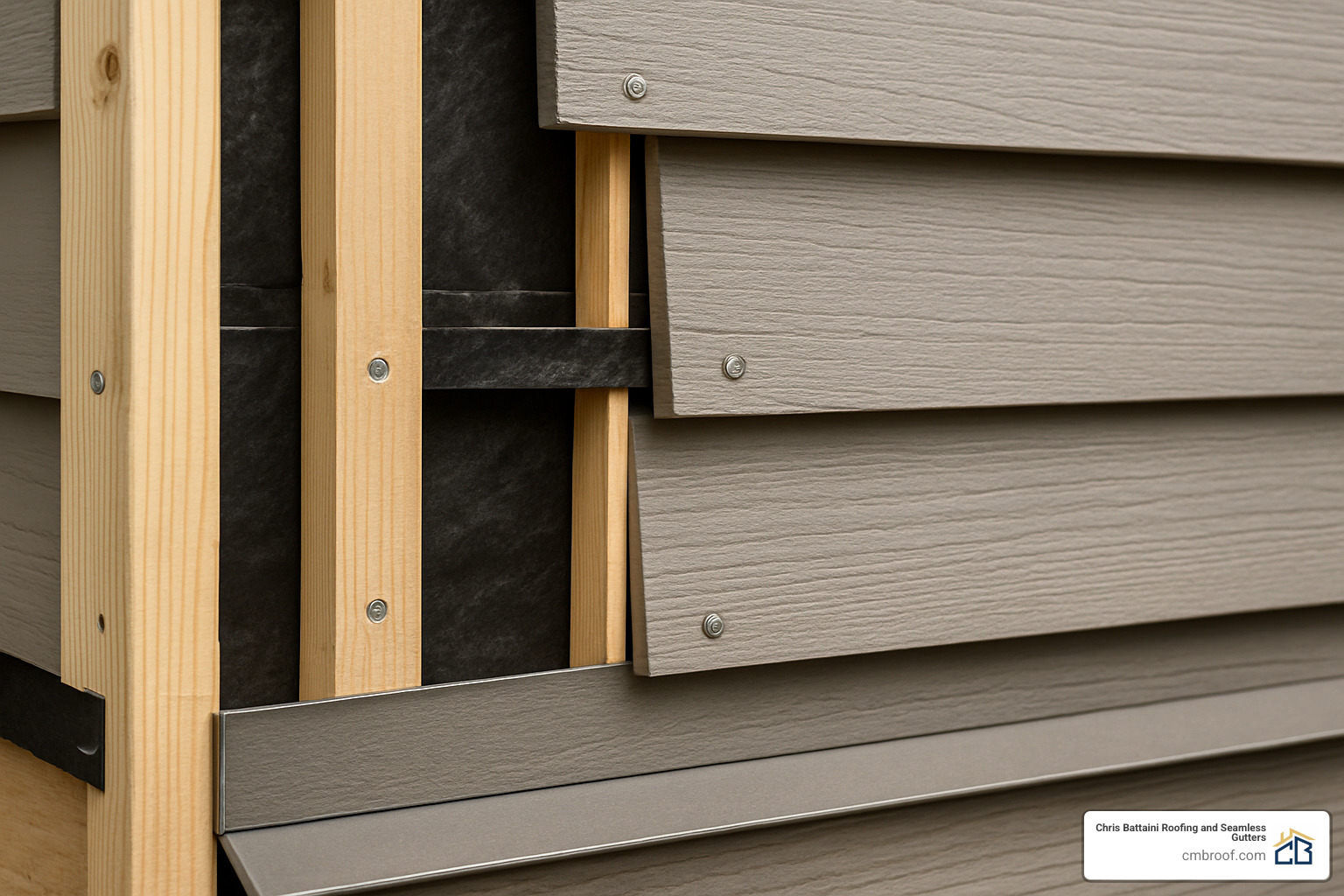
What makes the rainscreen component so special? It’s all about that gap. The system creates a small air space between your siding and the water-resistant barrier on your home. This seemingly simple feature performs several crucial functions that dramatically extend siding life:
The gap allows any moisture that sneaks behind the siding to drain away rather than becoming trapped. It creates what engineers call a “capillary break” that prevents water from migrating inward. By equalizing pressure between the interior and exterior, it actually reduces water infiltration during storms. Perhaps most importantly, this design promotes air circulation that quickly dries any moisture that does find its way in.
Pros & Cons
The advantages of fiber-cement with rainscreen are substantial. Its exceptional durability means you’re looking at a potential 50+ year lifespan – something few other siding materials can claim. Its fire resistance (Class A fire rating) provides peace of mind, especially in areas prone to wildfires.
Homeowners in hail-prone regions appreciate its impact resistance against both hail and windborne debris. Because it’s composed of inorganic materials, it remains rot and insect proof throughout its life. Unlike wood or vinyl, fiber-cement offers remarkable dimensional stability with minimal expansion and contraction through seasonal changes.
The advanced moisture management through the rainscreen design is particularly valuable in areas with high rainfall or humidity. Many homeowners choose fiber-cement for its authentic appearance that closely resembles wood without the associated maintenance headaches. And unlike vinyl, fiber-cement provides a paintable surface allowing you to change colors over time if desired.
Of course, these benefits come with some considerations. The higher installation cost reflects both the material’s weight and the specialized techniques required for proper rainscreen function. This is definitely not a DIY project – it requires professional installation to perform as designed. The material is heavier than vinyl or aluminum, requiring stronger attachment methods and sometimes additional structural considerations.
The installation process is more labor-intensive than some alternatives, contributing to higher upfront costs. While the initial investment is greater than some siding options, many homeowners find the long-term value compelling when considering the extended lifespan and reduced maintenance requirements.
“Fiber cement provides the look of wood without the maintenance concerns, and when installed with a rainscreen, it creates a virtually bulletproof exterior system,” explains one building scientist who specializes in moisture management.
Best For
Fiber-cement siding with rainscreen particularly shines in certain situations. Homes in high precipitation areas benefit tremendously from its sophisticated moisture management capabilities. If you live in regions prone to hail or severe weather, the impact resistance provides valuable protection against costly damage.
Many homeowners seeking wood appearance without maintenance find fiber-cement hits the sweet spot between aesthetics and practicality. Those in fire-prone regions appreciate that fiber-cement won’t burn or contribute to flame spread. Because of its exceptional longevity, it’s perfect for long-term homeowners who value investing in lasting solutions rather than temporary fixes.
The versatility of fiber-cement makes it suitable for both modern or traditional designs as it comes in various styles including lap siding, shingles, panels, and vertical applications. This flexibility allows it to complement virtually any architectural style from Victorian to contemporary.
One homeowner in a high-rainfall area shared this experience: “After installing fiber-cement with a rainscreen system five years ago, we’ve had zero moisture issues, and the siding looks exactly the same as the day it was installed.”
At Chris Battaini Roofing and Seamless Gutters, we recommend fiber-cement with rainscreen for clients seeking the ultimate in durability and moisture management. This system performs exceptionally well in the varied climate of Berkshire County, where homes face everything from heavy snow to summer humidity. When paired with our expert roofing and guttering services, fiber-cement creates a complete exterior protection system that’s built to last for generations.
Gutter Guards & Maintenance Add-Ons
A complete gutter and siding solution isn’t just about the initial installation – it’s about creating a system that remains functional with minimal maintenance. Gutter guards and other add-ons play a crucial role in extending system life and reducing maintenance requirements.
“Adding gutter guards can extend a gutter system’s life by about 30 years,” notes one industry study. This dramatic extension comes from reducing debris accumulation, preventing clogs, and minimizing the weight stress on gutter attachments.
Modern gutter protection systems come in several varieties:
– Micro-mesh guards that allow water through while blocking even small debris
– Solid covers with a water-adhesion design that directs water into gutters while debris falls off
– Foam inserts that fill gutters while allowing water to permeate
– Brush guards that block larger debris while allowing water flow
– Perforated metal covers that provide a balance of protection and water flow
Beyond guards, other valuable add-ons include:
– Downspout extensions to direct water further from foundations
– Rain chains as decorative alternatives to traditional downspouts
– Rainwater collection systems for garden irrigation
– Heat cables to prevent ice dams in cold climates
– Hinged downspout extensions for easy lawn maintenance
Pros & Cons
Advantages of Gutter Guards:
– Dramatically reduced cleaning frequency from 2-4 times yearly to once every 1-2 years
– Prevention of clogs that can cause water damage
– Reduced ladder climbing for safer home maintenance
– Extended gutter system life by preventing debris weight
– Reduced habitat for pests like mosquitoes and rodents
– Prevention of ice dams with some heated systems
– Protection from roof debris entering and clogging downspouts
Potential Drawbacks:
– Upfront investment adds to initial gutter system cost
– Not 100% maintenance-free as periodic inspection is still necessary
– Some designs may reduce water capacity during extreme downpours
– Snow and ice buildup concerns in northern climates
– May complicate roof maintenance or replacement
“Installing gutter guards to minimize overflow, debris entry, and extend system life is a best practice for homeowners,” confirms one contractor with decades of experience.
Best For
Gutter protection systems are particularly valuable for:
- Homes surrounded by trees where leaf and needle debris is constant
- Properties where regular maintenance is difficult due to height or accessibility
- Older homeowners seeking to reduce ladder climbing risks
- Vacation homes with periods of minimal supervision
- Areas with heavy seasonal debris like spring pollen or autumn leaves
- Regions prone to mosquito-borne diseases where standing water is a concern
Maintenance Checklist for Gutter and Siding Systems:
– Inspect gutters and downspouts every spring and fall
– Check for proper slope and secure attachment to fascia
– Remove any debris accumulation, even with guards installed
– Inspect siding for cracks, warping, or damage annually
– Clean siding according to manufacturer recommendations (typically annually)
– Check caulking around windows, doors and penetrations yearly
– Trim trees and vegetation away from roof and siding
– Monitor downspout discharge for proper drainage away from foundation
– Check for pest intrusion, particularly in soffit and fascia areas
– Inspect flashing at roof-wall intersections for damage or separation
One customer shared: “After installing micro-mesh gutter guards three years ago, I haven’t had to clean my gutters once, even though we’re surrounded by pine trees. It’s been the best investment for our home maintenance.”
At Chris Battaini Roofing and Seamless Gutters, we offer a variety of gutter protection systems designed for the specific challenges of Berkshire County and Southern Vermont, where deciduous trees, pine needles, and winter ice conditions create unique gutter maintenance challenges.
Frequently Asked Questions about gutter and siding Care
Homeowners often have similar questions when it comes to maintaining their home’s exterior. Here are the answers to your most pressing gutter and siding questions.
How long do gutters and siding last?
Your home’s exterior components have varying lifespans, and knowing what to expect helps with long-term planning.
For gutters, material choice dramatically impacts longevity:
– Aluminum gutters typically provide about 20 years of reliable service
– Galvanized steel systems generally last 15-20 years before needing replacement
– Copper gutters are the champions of longevity, often serving 50+ years
– Vinyl gutters offer the shortest service life at 10-15 years
“I installed copper gutters on my Victorian home in 1987, and they’re still performing perfectly today,” shared one Berkshire County homeowner. “The patina just keeps getting more beautiful.”
Siding materials show even greater variation in lifespan:
– Vinyl siding typically performs for 20-40 years depending on quality
– Fiber cement stands as one of the most durable options at 50+ years
– Wood siding requires regular maintenance but can last 15-40 years when properly cared for
– Aluminum siding often exceeds 40 years before replacement becomes necessary
– Brick veneer can last a century or more with proper care
These timeframes assume proper installation and maintenance. Regular cleaning of gutters prevents water damage to your fascia and foundation, while annual siding maintenance prevents premature deterioration from mold and mildew.
Should gutters and siding be replaced together?
This is perhaps the most common question we hear, and for good reason – timing these projects right can save you money and headaches.
There are several compelling advantages to coordinating your gutter and siding replacement:
First, installation efficiency improves when contractors can integrate both systems simultaneously. Your installation team can ensure perfect alignment between gutters and fascia boards while protecting your new siding.
Second, you’ll likely see cost savings. When crews are already on site with equipment setup, scaffolding, and materials delivery, the incremental cost of adding the second project is often lower than doing it separately later.
Third, aesthetic coordination becomes seamless. “When we replaced both our gutters and siding together,” one customer told us, “the color matching was perfect – something that would have been much harder to achieve years apart.”
Fourth, your warranty coverage aligns, simplifying record-keeping and future claims if needed.
Finally, and perhaps most importantly, new siding deserves protection from properly functioning gutters. Installing beautiful new siding while keeping old, leaking gutters is like buying an expensive new suit and storing it in a leaky shed.
That said, if one system is significantly newer or in better condition, phased replacement might make more financial sense. We’re happy to assess your specific situation and recommend the most cost-effective approach.
What warranties should I look for?
Quality gutter and siding products should come with substantial warranty protection that gives you peace of mind about your investment.
For gutters, look for these warranty features:
– Material defects coverage of 20+ years
– Finish/paint protection for 10-20 years
– Labor/workmanship guarantees of 2-5 years
– Gutter guard coverage of 10-25 years (with some lifetime options available)
“The difference between a 10-year and 25-year warranty might not seem important today, but you’ll certainly appreciate it a decade from now,” notes Chris Battaini, who personally oversees installations.
Siding warranties typically provide even longer coverage:
– Vinyl siding usually offers 25-year to lifetime limited warranties on materials
– Fiber cement typically comes with 30-50 year protection
– Engineered wood products generally provide 30-50 year coverage
– Workmanship warranties range from 2-10 years depending on your contractor
Pay special attention to these warranty details that are often overlooked:
– Transferability – Can you pass the warranty to a new owner if you sell?
– Pro-rated vs. non-prorated coverage – Will the warranty value diminish over time?
– Weather exclusions – Are “acts of God” or extreme weather events covered?
– Maintenance requirements – What must you do to keep the warranty valid?
– Separate coverage – Understand that manufacturer materials and contractor workmanship typically have different warranties
“Always read the fine print,” advises one industry expert. “The difference between a good warranty and a great one often lies in the details.”
At Chris Battaini Roofing and Seamless Gutters, we stand behind our work with industry-leading warranties and owner-led service. When Chris says your job will be done right, he means it – and backs it with warranties that protect your investment for decades to come.
Chris Battaini Roofing and Seamless Gutters proudly serves Berkshire, Hampden, Hampshire, and Franklin Counties in Massachusetts.
Conclusion
Your home’s gutter and siding systems aren’t just separate components—they’re partners in protecting everything you value inside. When thoughtfully selected, properly installed, and regularly maintained, they work in harmony to shield your investment while boosting your home’s appearance and energy performance.
After exploring all the options and considerations, here’s what matters most:
The relationship between these systems is crucial. Your gutters and siding must coordinate perfectly as part of your home’s overall moisture defense strategy. Like dancers in perfect sync, when one falters, the other can’t fully compensate.
Material selection should reflect your specific circumstances. The best choices for your neighbor might not be right for you, depending on your local climate, budget constraints, design preferences, and how much maintenance you’re willing to tackle.
Professional installation makes all the difference. Even top-quality materials will fail prematurely if improperly installed. This is one area where cutting corners inevitably leads to costly repairs down the road.
Some maintenance is inevitable—accept it. No exterior system is truly maintenance-free, but strategic choices can dramatically reduce your workload while extending system life.
Think long-term with your investment. Higher-quality materials and expert installation may cost more initially, but they pay you back through decades of trouble-free performance and fewer replacement cycles.
At Chris Battaini Roofing and Seamless Gutters, we bring something special to every project—the care and attention that only comes from owner-led service. When we roll our seamless gutter machine onto your property or carefully align your new siding, we’re treating your home with the same dedication we would our own family’s residence.
There’s a real advantage to working with one contractor for both your gutter and siding projects. Our comprehensive understanding of how these systems interact ensures they’re properly integrated, your warranties are coordinated, and everything looks beautifully cohesive when we’re done.
Whether you’re building from the ground up, renovating an older home, or addressing specific issues with your current exterior, we’re here to provide honest guidance and craftsmanship that exceeds expectations. We’ve built our reputation in the Berkshires one satisfied customer at a time.
Chris Battaini Roofing and Seamless Gutters proudly serves Berkshire, Hampden, Hampshire, and Franklin Counties in Massachusetts, as well as Southern Vermont. We’d be honored to help protect your home with exterior solutions built to stand the test of time.
Contact Us for a free estimate and experience the difference that owner-led quality makes for yourself.
