
Commercial Roof Protection: Why Timely Repairs Matter
Commercial roof repair solutions are critical investments that protect your building, equipment, and business operations. When your commercial roof fails, every minute counts.
Quick Answer: The Most Effective Commercial Roof Repair Solutions
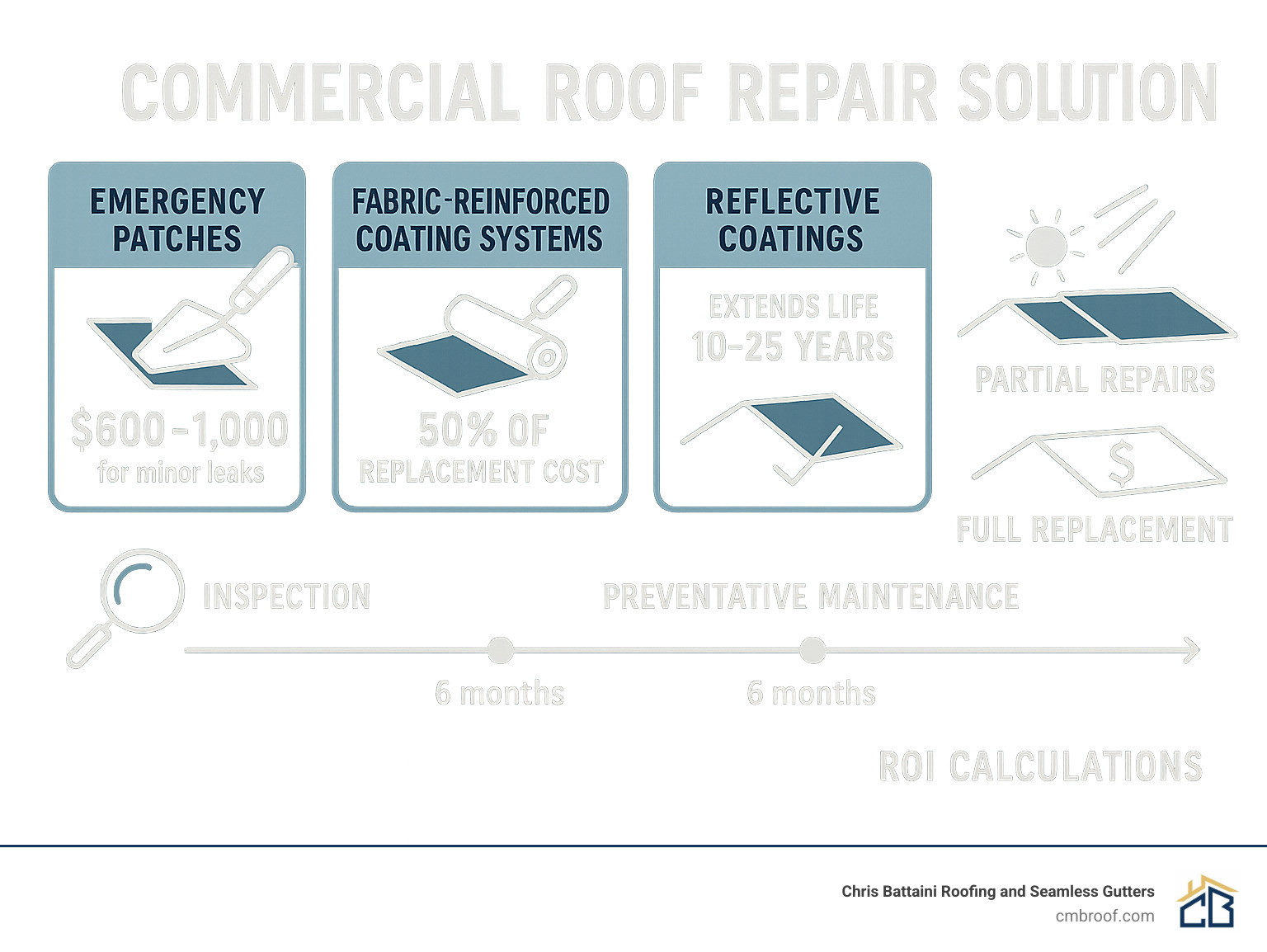
– Emergency patches: $600-1,000 for minor leaks
– Fabric-reinforced coating systems: Half the cost of full replacement
– Reflective coatings: Extend roof life 10-25 years and reduce energy costs
– Partial repairs: Address isolated damage without full replacement
– Professional inspection: Twice yearly and after severe weather events
A leaking commercial roof isn’t just an inconvenience—it’s a direct threat to your business continuity. As one property manager finded after working with a specialized repair team: “My roof no longer leaks in areas that had leaked on and off for 4 years prior.”
Commercial roofs face unique challenges that residential structures don’t encounter:
- Larger surface areas with more penetrations
- Often flat or low-slope designs prone to ponding water
- Greater exposure to mechanical equipment damage
- Chemical exhaust and pollutant exposure
- High foot traffic during maintenance
When addressed promptly, minor roof issues remain just that—minor. However, delayed repairs can quickly escalate into major structural problems costing 5-10 times more to fix. According to industry data, a $600 repair today might prevent a $6,000 emergency repair next month.
The good news? Modern commercial roof repair technologies have evolved dramatically. Today’s solutions include seamless membranes, fabric-reinforced systems, and eco-friendly coatings that can extend roof life for decades at a fraction of replacement costs.
Common Commercial Roof Problems & What Causes Them
Your commercial roof takes a beating every day – silently enduring whatever Mother Nature throws its way. Here in Berkshire County and Southern Vermont, those challenges can be particularly tough. Understanding what’s damaging your roof is the first step toward finding effective commercial roof repair solutions. Let’s explore the most common issues we see in our daily work.
Leaks & Membrane Damage
Water always finds a way in – that’s what makes leaks the most common (and frustrating) roofing problem. What makes them tricky? That drip in your conference room might be coming from a completely different section of your roof.
Ever notice how flashing around roof penetrations can start to pull away over time? Those HVAC units, vents, and skylights create vulnerable spots where water loves to sneak in. Single-ply roofing membranes rely on seams that expand and contract with temperature changes, eventually creating tiny openings. And those mysterious bubbles or blisters you might spot? That’s trapped moisture pushing up against your membrane – a ticking time bomb if left untreated.
As our lead technician often says after 20+ years in the field: “Most commercial roofing problems I see could have been prevented with regular maintenance. By the time someone notices water stains on their ceiling, that tiny puncture has already been leaking for months.”
Ponding Water & Drainage Failures
When water sits on your flat roof for more than 48 hours after rain, we call that “ponding” – and it’s one of the quickest ways to destroy a commercial roof.
The usual suspects? Clogged drains and gutters filled with leaves, debris, or sometimes even bird nests prevent proper drainage. Over time, the weight of rooftop equipment, snow loads, or just the aging structure itself can create depressions where water collects. Sometimes the original design simply didn’t include enough slope to direct water toward drains.
This standing water becomes a double threat – it magnifies damaging UV rays, creates perfect conditions for plant growth, adds unnecessary weight to your structure, and in our New England winters, creates devastating freeze-thaw damage.
Weather & Environmental Stressors
Commercial roofs in our region face unique climate challenges that can accelerate deterioration faster than you might expect:
Hail doesn’t need to be softball-sized to cause damage. Even small hailstones can chip away protective granules on modified bitumen roofs or create tiny punctures in single-ply membranes. Our famous freeze-thaw cycles are particularly brutal – water seeps into microscopic cracks, freezes and expands, then thaws… repeating this cycle dozens of times each winter and gradually widening these openings.
Industrial pollutants, chemical exhaust, and acid rain silently attack roofing materials at the molecular level. And the rapid temperature swings common in our region cause materials to expand and contract quickly, putting enormous stress on seams and flashings.
I remember one manufacturing facility in Pittsfield that was puzzled by their accelerated roof deterioration. After inspection, we finded their own production process was releasing chemicals that were essentially eating away their roof from above! By identifying this specific stressor, we recommended a chemical-resistant coating system that extended their roof life by over 15 years.
Understanding these common problems helps us develop targeted commercial roof repair solutions that address not just the symptoms, but the underlying causes – keeping your business dry and protected for years to come.
Chris Battaini Roofing & Seamless Gutters proudly serves Berkshire, Hampden, Hampshire & Franklin Counties in Massachusetts.
How to Spot Trouble Early: Signs Your Roof Needs Repair
Becoming a roof detective for your commercial building can save you thousands in repair costs. The earlier you catch problems, the simpler—and less expensive—the solutions will be. Let’s explore the warning signs you shouldn’t ignore.
Indoor Red Flags
Your building’s interior often speaks volumes about what’s happening overhead:
Stained ceiling tiles tell an unmistakable story. Those yellowish-brown discolorations aren’t just unsightly—they’re clear evidence that water has found its way inside. Pay special attention to areas near walls or around roof penetrations, as these are common entry points.
Peeling paint or bubbling wallpaper signals moisture has penetrated beyond the ceiling. When water seeps into drywall or plaster, it pushes finishes away from the surface—a telltale sign of a persistent leak.
Damp insulation is a serious concern that often goes unnoticed. “Wet insulation is like a sponge that never dries,” explains our inspection team leader. “It loses up to 40% of its R-value and creates perfect conditions for mold growth.” A quick attic check can reveal this hidden problem before it spreads.
Musty odors that persist despite cleaning often indicate hidden moisture. That classic “old building smell” is typically mold or mildew flourishing in damp, dark spaces—and your roof could be the culprit.
A restaurant owner in Pittsfield called us after noticing ceiling stains appearing after heavy rains. During our inspection, we finded that water had been infiltrating for months, saturating wooden decking that would have eventually collapsed if left untreated.
Rooftop Red Flags
A regular walk on your roof can reveal problems before they penetrate your building:
Blistered membranes look like bubbles or raised areas on your roof surface. These blisters form when moisture or air gets trapped between layers of roofing material—and they’re prone to rupture during temperature changes.
Rusted fasteners might seem minor, but they’re actually serious warning signs. When metal components corrode, they create tiny openings for water and eventually fail completely. Replacing them early prevents bigger problems.
Loose flashing around roof penetrations, walls, and edges creates perfect entry points for water. When metal flashing pulls away from the surface it’s meant to protect, it’s only a matter of time before moisture finds its way in.
Membrane shrinkage happens as roofing materials age and are exposed to UV rays. When membranes pull away from walls, curbs, or parapets, they create gaps that invite water intrusion.
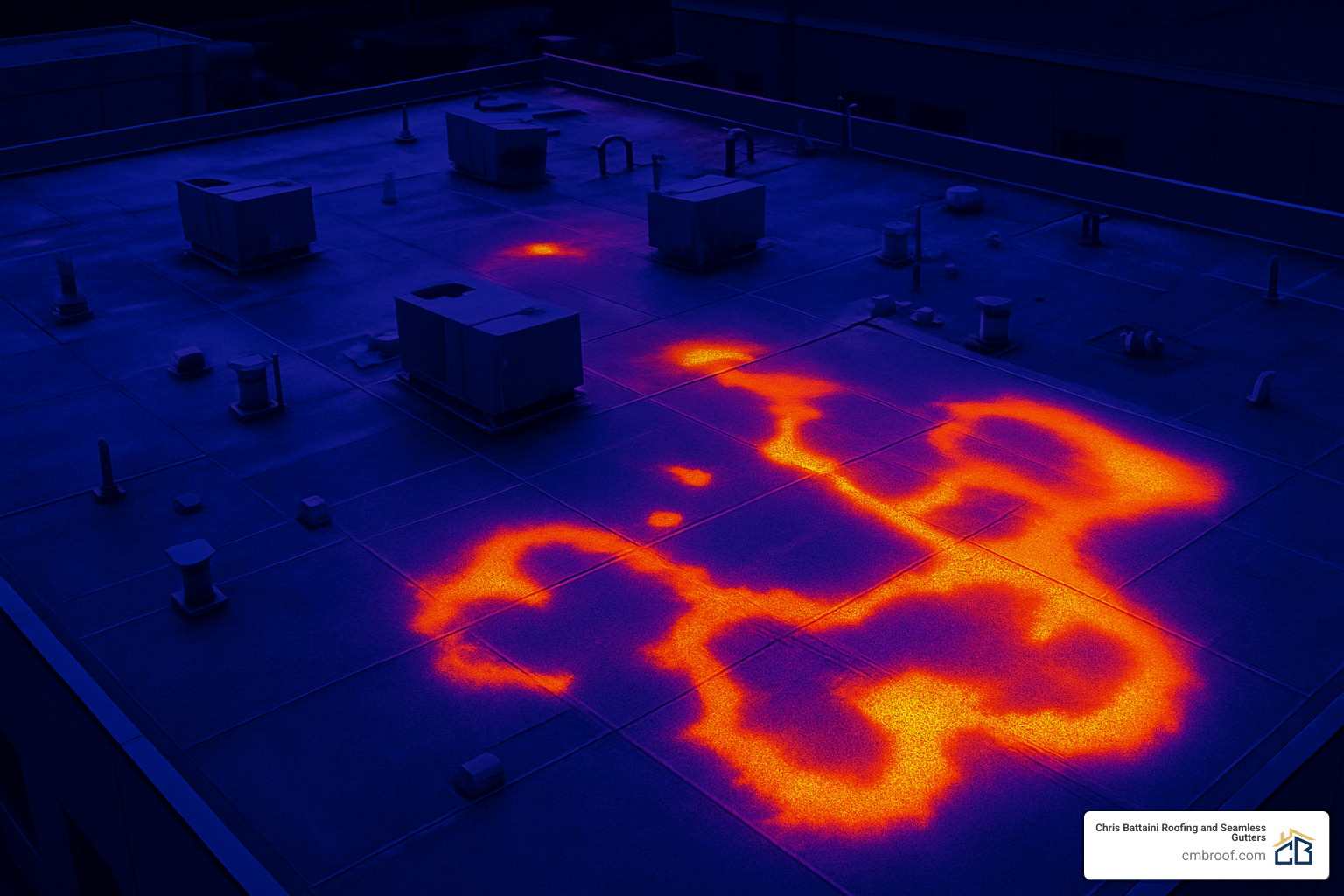
Modern roof inspections often include infrared moisture scanning—a technology that reveals what the naked eye cannot see. These scans detect temperature differences caused by wet insulation beneath seemingly intact membranes, allowing for precisely targeted commercial roof repair solutions before damage spreads.
Energy & Utility Indicators
Your utility bills can be surprisingly informative about your roof’s condition:
Rising energy costs without corresponding rate increases often point to compromised roof insulation. When insulation gets wet, it loses its ability to resist heat transfer—forcing your HVAC system to work harder and consume more energy.
HVAC over-cycling happens when your heating and cooling systems run more frequently than normal. This often indicates that conditioned air is escaping through the roof system or that outside temperatures are more readily affecting your indoor environment.
Heat-island effect on dark-colored roofs can dramatically increase cooling costs. One warehouse owner in North Adams saw their summer cooling bills drop by 22% after we applied a reflective coating as part of their commercial roof repair solutions package.
“Most building owners don’t connect their utility bills to their roof’s condition,” notes our energy efficiency specialist. “But they’re often surprised to learn that roof repairs can pay for themselves through energy savings alone—especially with today’s reflective coating systems.”
Regular inspections—ideally in spring and fall—can catch these warning signs before they develop into budget-busting emergencies. When it comes to commercial roofing, being proactive isn’t just smart—it’s profitable.
Commercial Roof Repair Solutions
When your commercial roof starts showing signs of trouble, you have several options that range from quick fixes to complete system overhauls. Finding the right commercial roof repair solution depends on three key factors: your roof’s current condition, your available budget, and your long-term plans for the building.
Quick Patches & Emergency Fixes
Water streaming through your ceiling during business hours? That’s when emergency solutions become critical:
Temporary sealants can stop active leaks even during rainstorms. Our teams carry specialized roof cements and high-performance tapes designed specifically for wet-weather applications.
Drain clearing often provides immediate relief when standing water is the culprit. It’s amazing how quickly a roof can dry out once water has somewhere to go.
Flashing repairs frequently resolve those mysterious leaks that seem to appear from nowhere. When metal flashings around HVAC units or vents pull away from the membrane, water finds its way in.
These emergency solutions typically cost between $600-$1,800 based on internet data, though complex situations with multiple leak points or difficult access can run $5,000 or more. These are average costs based on internet data and not actual costs for Chris Battaini Roofing and Seamless Gutters.
I remember a frantic call from a Williamstown restaurant owner during dinner service when water began pouring through light fixtures above their dining room. Our emergency team identified a seam that had separated during high winds. Within hours, we had the leak contained, and they didn’t lose a single dinner reservation that evening.
Roof Coatings & Fabric-Reinforced Systems – commercial roof repair solutions
For structurally sound roofs with aging membranes, coating systems deliver exceptional bang for your buck:
Silicone coatings excel at waterproofing and standing up to harsh UV rays. They’re particularly valuable in areas where water tends to pond, as silicone won’t break down even in constant moisture.
Acrylic coatings provide excellent reflectivity that helps reduce cooling costs while protecting your roof from UV damage—all at a more budget-friendly price point.
Ecodur+ and other plant-based options offer incredible chemical resistance while being environmentally responsible. These coatings are gaining popularity among businesses with sustainability goals.
Fabric-reinforced coating systems deserve special mention as perhaps our most valuable commercial roof repair solution. These systems combine liquid coatings with tough polyester fabric to create a seamless, monolithic membrane right over your existing roof.
The benefits are substantial: installation costs roughly half what full replacement would run, future recoating (after 10-25 years) costs just a fraction of replacement, and the seamless application eliminates the most common failure point on commercial roofs—the seams. Plus, these systems can typically be expensed as maintenance rather than capitalized as replacement, offering potential tax advantages.
“The fabric-reinforced systems we’ve installed throughout Berkshire County have shown remarkable durability,” notes our commercial division manager. “One manufacturing facility in Pittsfield has gone 15 years without a single leak issue after we applied their system—and they’re still going strong.”
For more information about the energy savings and environmental benefits of fabric-reinforced systems, the Castagra research on Ecodur coatings provides excellent scientific data on performance in commercial applications.
When Partial or Full Replacement Makes Sense – commercial roof repair solutions
Sometimes replacement truly is the most cost-effective commercial roof repair solution in the long run. Here’s when to consider this route:
Your roof is beyond 25 years old with widespread deterioration. At this point, the membrane has likely reached the end of its useful life.
Large areas of insulation have become saturated, which not only compromises R-value but adds significant weight to your roof structure.
Building codes restrict you to a maximum of two roof systems. Many jurisdictions don’t allow a third layer, making removal necessary before adding anything new.
Structural decking shows signs of rot or damage. This requires addressing the underlying structure before applying any new roofing system.
You’re planning major renovations or building additions that would require extensive roofing modifications anyway.
A North Adams manufacturing facility had spent thousands on repeated repairs over several years. After our comprehensive moisture survey revealed that over 60% of their insulation was saturated, we helped them understand why replacement made more financial sense than continuing the cycle of patches. Three years later, they’ve had zero leak issues and their energy bills have dropped significantly.
Choosing the right commercial roof repair solution means balancing immediate needs with long-term value. That’s why we always perform thorough inspections before recommending any approach—what looks like a simple leak might signal a more complex issue, or what seems catastrophic might be solvable with targeted repairs.
More info about Roof Leak Repair
Repair vs. Replacement: Cost, ROI & Environmental Impact
When you’re facing commercial roof problems, the big question is always: repair, restore, or replace? This decision impacts not just your immediate budget, but your long-term facility costs and environmental footprint.
Let’s break down your options with real numbers and practical considerations:
| Solution | Typical Cost/Sq.Ft.* | Expected Life | Environmental Impact | ROI Factors |
|---|---|---|---|---|
| Patch Repair | $3-15 | 1-5 years | Minimal waste | Short-term fix, may need repeated |
| Coating System | $4-12 | 10-25 years | Low waste, energy savings | Excellent for aging but intact roofs |
| Partial Replacement | $8-20 | 15-30 years | Moderate waste | Good for isolated damaged sections |
| Full Replacement | $10-30+ | 20-30+ years | Highest waste generation | Best for severely compromised roofs |
*Costs based on internet data, not actual costs for Chris Battaini Roofing and Seamless Gutters. High-end costs can be 3x or more depending on specific conditions, materials, and project complexity.
The environmental angle has become increasingly important for many of our Berkshire County business owners. When we discuss commercial roof repair solutions with clients, we often highlight these sustainability factors:
Landfill impact is substantial with full tear-offs. A typical 20,000 square foot commercial roof replacement generates approximately 10-15 tons of waste. By choosing restoration over replacement when possible, you’re keeping materials out of our local landfills.
Energy efficiency gains can be dramatic with modern materials. A hotel owner in Lenox we worked with was genuinely surprised when their summer cooling costs dropped by 22% after we applied a reflective coating system. Their energy savings alone provided a 4-year payback on their investment – not counting the money saved by avoiding a full replacement.
Building lifespan extension preserves what sustainability experts call “embodied carbon” – all the energy that went into manufacturing and installing your existing building materials. It’s the roofing equivalent of the “reduce, reuse, recycle” principle, with “reuse” being the key.
Material selection has evolved dramatically. Many of today’s commercial roof repair solutions incorporate recycled content and are themselves recyclable at end-of-life. This creates a more circular economy for building materials.
The decision matrix becomes clearer when you consider specific scenarios. For a 15-year-old roof with isolated leaks but good overall condition, a fabric-reinforced coating system might cost $8 per square foot versus $25+ for replacement. Over a 15-year period, that’s a potential savings of over $150,000 on a 10,000 square foot roof – plus the environmental benefits.
“We always try to save our customers money while extending roof life,” explains Chris Battaini. “But sometimes replacement truly is the better investment. If your insulation is saturated across 60% of the roof area, you’ll end up spending more on partial solutions than if you just start fresh.”
Your building’s future plans should also factor in. If you’re planning to sell within 5 years, a coating system might make perfect sense. If you’re expanding operations and need a 30-year solution, replacement could be the wiser choice.
Either way, we’re committed to presenting all options clearly so you can make the best decision for your specific situation – balancing immediate costs against long-term value and environmental responsibility.
The Professional Process: From Inspection to Completion
When it comes to commercial roof repair solutions, there’s a world of difference between a hasty patch job and a methodical professional approach. At Chris Battaini Roofing, we follow a proven process that ensures your roof receives the attention it deserves.
The journey begins with a forensic inspection – not just a quick glance, but a thorough examination of your entire roof system. “We’re like detectives,” says our lead inspector. “Water can travel surprising distances from entry point to where damage appears, so we leave no corner unchecked.” This often includes taking core samples to assess the condition of materials beneath the surface.
Next comes the moisture survey, where we use advanced infrared technology to reveal what the naked eye can’t see. This step is crucial since wet insulation under a seemingly intact membrane can silently rot your roof from the inside out.
After gathering all the evidence, we create a detailed scope report with photos documenting every issue. One property manager told us, “The photo documentation was invaluable when explaining the situation to my board of directors – it made the invisible problem visible.”
Based on this thorough assessment, we develop a customized proposal with clear options and transparent pricing. We never push for replacement when repair makes more sense for your building and budget.
Material selection is where science meets art. Your roof’s existing composition, your building’s function, and our regional climate all influence what materials will perform best. We’ll guide you through the options, explaining the pros and cons of each in plain English.
We handle all permitting and scheduling, working around your business operations to minimize disruption. One restaurant owner noted, “They worked during our off hours so we never had to close – that alone saved us thousands.”
During installation, our quality control processes ensure every detail meets our exacting standards. Our project managers conduct systematic inspections at critical phases, not just at completion.
Finally, we issue your warranty documentation, clearly explaining your coverage terms and maintenance requirements. “A database of each building’s leak history and expenses allows for informed decision-making,” notes our project manager. “We maintain detailed records for all our commercial clients to track conditions and help them budget for future maintenance.”
Choosing Materials Wisely
The materials you select dramatically affect how long your repair will last and how well it will perform. Here’s what you should know about common commercial roofing materials:
EPDM (rubber) offers excellent durability and flexibility, making it a popular choice for our Northeast climate. However, its seams require careful attention during installation to prevent future leaks.
TPO provides outstanding reflectivity and heat-welded seams that create a monolithic surface. It performs particularly well in Berkshire County’s variable conditions and can help reduce cooling costs.
PVC stands up exceptionally well to chemicals, making it ideal for restaurants with grease exhaust or industrial facilities with chemical emissions. Its welded seams create a watertight barrier that resists ponding water.
Modified bitumen delivers multi-ply protection with excellent puncture resistance – perfect for roofs with higher foot traffic or mechanical service requirements.
Metal panels offer decades of service with minimal maintenance and are fully recyclable at end-of-life. They work beautifully on sloped commercial applications where aesthetics matter.

Material compatibility isn’t something to take lightly. We’ve seen well-intentioned repairs fail because the wrong coating was applied over an existing membrane. Our team carefully evaluates your current roof system before recommending repair materials that will bond properly and perform harmoniously with what’s already there.
For buildings in Berkshire County and Southern Vermont, we pay special attention to selecting materials that can handle our unique climate challenges: freezing winters with heavy snow loads, summer UV intensity, and those notorious spring and fall temperature swings that can stress roofing systems through expansion and contraction.
More info about Commercial Roofing
Emergency Services, Insurance & Financing
When disaster strikes your commercial roof, every minute counts. Having a solid response plan isn’t just good business—it’s essential protection for everything beneath your roof.
When to Call 24/7 Crews
Not every roof issue warrants a middle-of-the-night emergency call, but some situations demand immediate attention:
Active water intrusion can quickly transform from a minor inconvenience to catastrophic damage. When water is actively entering your building, professional help can’t wait until morning.
Structural concerns like visible sagging or cracking demand urgent assessment. These warning signs could indicate potential collapse if left unaddressed.
Safety hazards including slip risks from interior leaks or electrical concerns where water meets wiring require immediate mitigation.
Threats to critical operations such as water approaching server rooms, inventory areas, or essential equipment justify emergency response.
“Every second counts when you’re dealing with a commercial roof leak,” explains our emergency response coordinator. “Our 24/7/365 availability ensures we can deploy crews quickly to minimize damage to your building and operations.”
A manufacturing facility in Pittsfield experienced this when a severe storm caused a membrane tear directly above their computer server room. Our rapid response team arrived within 90 minutes and installed temporary protection before any water reached the sensitive equipment below—saving them potentially hundreds of thousands in equipment damage and operational downtime.
Navigating Insurance Claims
Commercial roof damage often involves complex insurance claims. The difference between adequate coverage and disappointing settlements often comes down to proper documentation and professional guidance.
Start by thoroughly documenting all damage with detailed photos and videos immediately after findy. This visual evidence establishes the baseline condition before temporary repairs begin.
Contact your insurance provider promptly, following their specific claim reporting procedures. Delays in notification can sometimes be grounds for claim denial.
Professional assessment from a qualified roofing contractor provides crucial third-party verification of damage extent and repair requirements. This expert opinion often identifies damage that insurance adjusters might miss.
Understanding coverage distinctions is vital—particularly the difference between basic repair coverage and code-required upgrades. Many policies cover only returning the roof to its pre-damage condition, not bringing it up to current building codes.
“We work closely with insurance adjusters to ensure our clients receive fair settlements,” says our claims specialist. “Having detailed documentation and professional assessment reports significantly improves claim outcomes.”
Budgeting & Financing Options
Commercial roof repair solutions represent significant investments that require thoughtful financial planning. Fortunately, several approaches can make these expenses more manageable:
Dedicated maintenance funds provide the most straightforward approach. By allocating annual budget specifically for ongoing roof care, you prevent deferred maintenance that inevitably leads to costlier repairs.
Special financing promotions often apply to commercial projects. Many qualified commercial customers can access 0% interest programs that allow project costs to be spread over time without additional expense.
Tax advantages may apply to your roof investments. Section 179 deductions potentially allow certain roof improvements to be fully deducted in the current tax year rather than depreciated over decades. Coating systems frequently qualify as maintenance expenses rather than capital improvements, offering additional tax flexibility.
Energy efficiency rebates can significantly offset costs when you select reflective roofing systems. Many utility companies offer incentives for cool-roof installations that reduce peak energy demand.
Long-term capital planning should incorporate roofing into your 5-10 year facility budget. This proactive approach prevents emergency funding scrambles when inevitable repairs arise.
A hotel owner in Great Barrington leveraged a combination of energy rebates and special financing to make their roof restoration project cash-flow positive from the first year. Their reflective coating system reduced cooling costs enough to exceed their monthly financing payment, while extending their roof’s service life by 15+ years.
For businesses considering commercial roof repair solutions, Chris Battaini Roofing and Seamless Gutters offers detailed consultations on financing options that align with your specific budget requirements and business objectives.
Chris Battaini Roofing & Seamless Gutters proudly serves Berkshire, Hampden, Hampshire & Franklin Counties in Massachusetts.
Maintenance & Innovation: Extending Roof Life
Proactive maintenance isn’t just smart—it’s the most cost-effective commercial roof repair solution you can implement over your building’s lifetime. Think of it as healthcare for your roof: regular checkups prevent serious problems.
Scheduled Inspections & Membership Plans
The old saying “an ounce of prevention is worth a pound of cure” couldn’t be more true for commercial roofing. A structured maintenance program pays for itself many times over.
“Most issues with commercial roofing systems are avoidable with proper maintenance,” our service manager often tells clients. “A twice-yearly inspection program typically costs less than 10% of what emergency repairs would cost if problems go undetected.”
When you join our maintenance program, you’re not just getting inspections—you’re buying peace of mind. Our comprehensive plans include thorough spring and fall evaluations, quick assessments after severe weather events, and detailed condition reports that help you plan your budget years in advance. Plus, members enjoy priority emergency response when every minute counts.
The small business owners who see the best roof performance are those who treat maintenance as an ongoing relationship rather than a one-time transaction. One of our long-term clients in Pittsfield has had the same commercial roof for 28 years—well beyond its expected lifespan—simply because they’ve never missed a scheduled inspection.
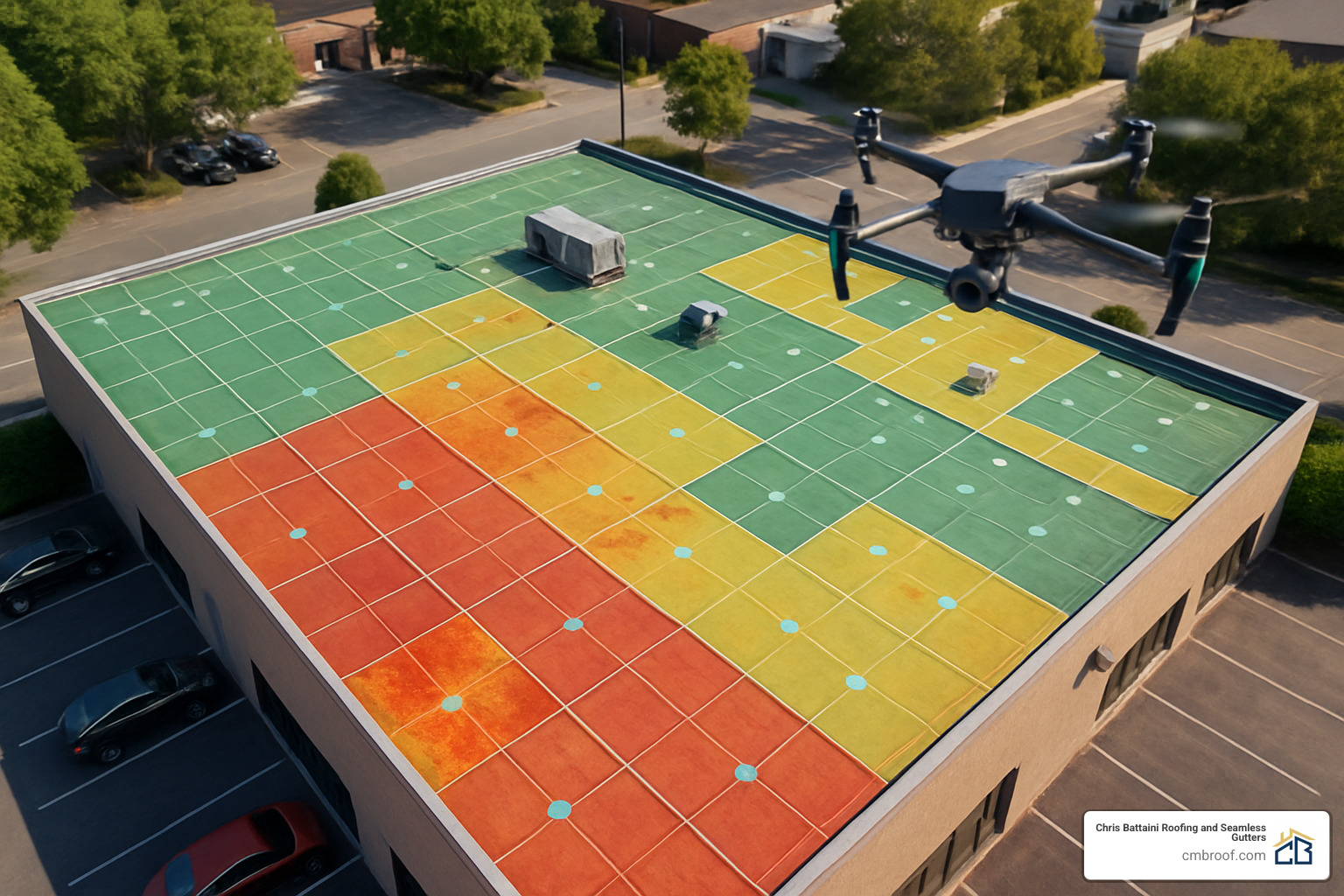
Technology has transformed how we monitor roof conditions. Our drone surveys now provide incredibly detailed imaging without a single footstep on your roof surface. These high-resolution images create a visual timeline we can reference year after year, helping us spot subtle changes before they become problems.
Latest Eco-Friendly Materials & Energy Benefits
The roofing industry has come a long way from the days of hot tar and gravel. Today’s commercial roof repair solutions accept both performance and sustainability.
Our clients are increasingly choosing VOC-free coatings like Ecodur+, which offers industrial-grade durability with plant-based ingredients. “Ecodur+ Roof Coating delivers up to 3x the adhesion strength of most conventional roof coatings while being VOC-free and sustainable,” notes our sustainable solutions specialist. “We’re seeing more commercial clients prioritize these eco-friendly options for both performance and environmental benefits.”
Cool-roof technology has been nothing short of for our New England clients. These highly reflective surfaces can reduce roof temperatures by 50-60°F during summer heat waves. For businesses with high cooling demands, this translates directly to lower utility bills and extended HVAC equipment life.
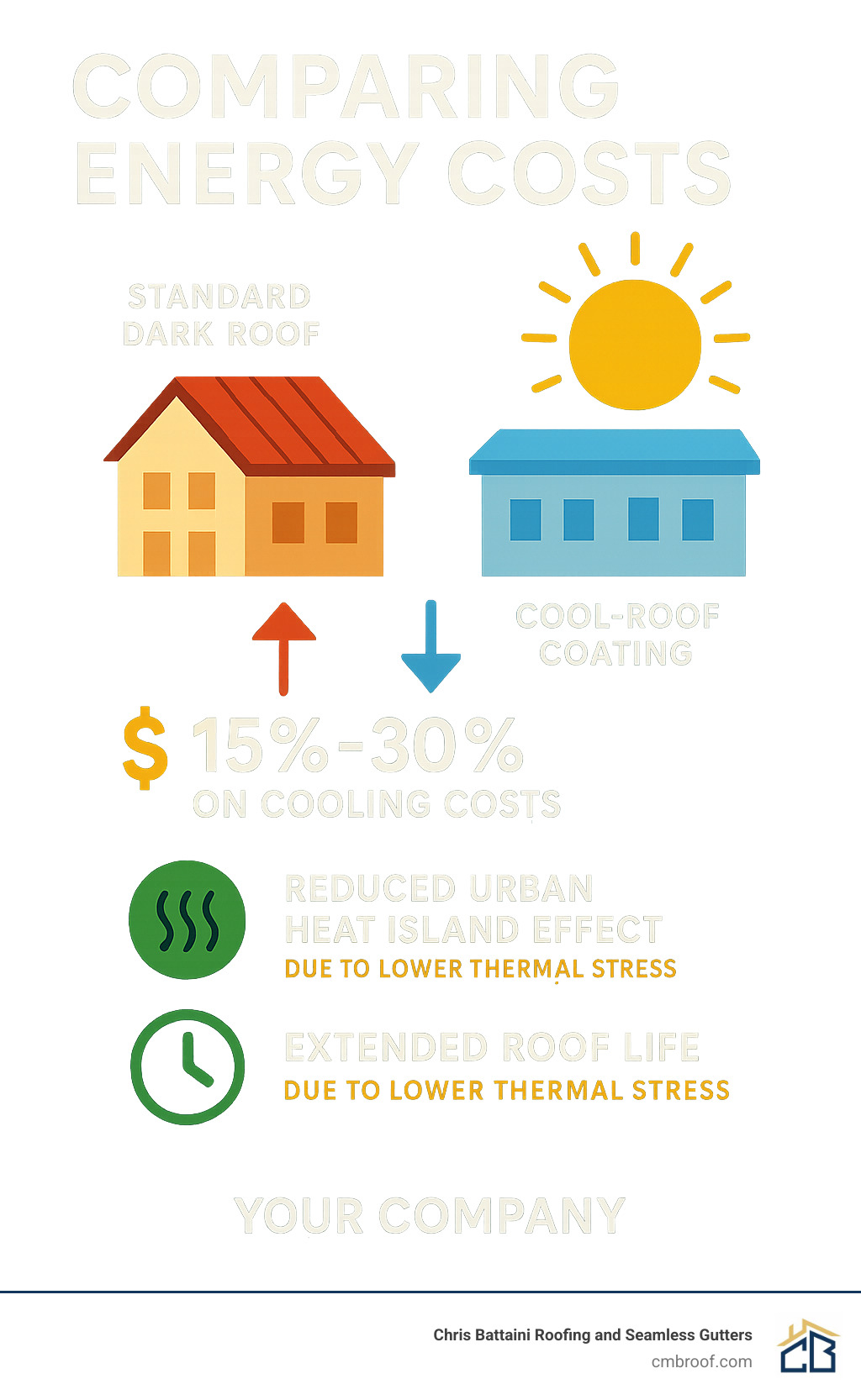
Forward-thinking building owners are also choosing solar-ready membranes that accommodate future panel installation without compromising the roof’s integrity. We’ve helped several Berkshire County businesses prepare their roofs for solar projects that will eventually generate significant portions of their electricity needs.
Warranty & Guarantee Essentials
A warranty is only as good as the company standing behind it—and the fine print matters more than you might think.
Most manufacturer warranties cover material defects for 10-25 years, while our workmanship guarantees protect against installation errors. But here’s what many people don’t realize: most roof warranties require documented regular maintenance to remain valid. Skip those inspections, and you might inadvertently void your coverage when you need it most.
“Flat roofs can have a manufacturer warranty ranging from 10 to 25 years, while shingle roofs generally have a 40-year prorated manufacturer warranty,” explains our warranty specialist. “However, the actual performance often depends more on installation quality and maintenance than the warranty term.”
Be particularly careful about warranty exclusions. Many standard warranties don’t cover ponding water, storm damage, or owner negligence. And if you’re planning to sell your building, check whether the warranty can transfer to new owners—this can be a valuable selling point.
At Chris Battaini Roofing and Seamless Gutters, we believe in transparency about what’s covered and what isn’t. We provide detailed documentation of all repairs and clearly explain maintenance requirements to keep your warranty intact. After all, the best warranty is the one you never need to use because your roof keeps performing year after year.
More info about Flat Roofing Materials
Frequently Asked Questions about Commercial Roof Repair Solutions
How often should a commercial roof be inspected?
Your commercial roof deserves attention at least twice a year – once in the spring after winter’s harsh conditions, and again in the fall before snow season returns. Think of these inspections as your roof’s regular health checkups.
After severe weather events like hailstorms, high winds, or heavy snow, your roof needs an extra look. These special circumstances can create damage that might not be immediately visible but could lead to bigger problems down the road.
I remember talking with a property manager in Pittsfield who was tired of surprise leaks and emergency repairs. After implementing our twice-yearly inspection program, they saw their emergency repair costs drop by over 70% in just two years. The small investment in preventative care paid massive dividends in both budget savings and peace of mind.
Is it cheaper to coat or replace a flat roof?
When your existing roof structure and insulation are still in good shape, coating is almost always the more economical choice. Fabric-reinforced coating systems typically cost about half what you’d pay for a complete tear-off and replacement.
There’s also a potential tax advantage worth considering. Coating systems can often be classified as maintenance expenses rather than capital improvements, which might offer favorable tax treatment. Always consult with your accountant about your specific situation, of course.
One of our clients, a hotel owner in Great Barrington, faced a difficult decision with their aging 30,000 square foot roof. By choosing our fabric-reinforced coating system instead of replacement, they saved over $100,000 upfront. What’s more impressive is that 12 years later, that roof is still performing beautifully without issues. That’s the kind of long-term value we love to deliver.
What qualifies as an emergency roof repair?
Not every roof issue requires a middle-of-the-night response, but certain situations absolutely demand immediate attention:
Active water entering your building – When water is actively dripping, flowing, or pouring into your space, every minute counts to prevent interior damage.
Compromised structural integrity – If you notice sagging, unusual sounds, or visible deformation of your roof structure, this requires urgent professional assessment.
Safety hazards for building occupants – Electrical concerns from water contact, slip hazards, or falling materials all warrant emergency response.
Threat to critical operations or equipment – When water threatens computer servers, inventory, or production equipment, immediate action is essential.
Impending weather with existing damage – If your roof is already compromised and severe weather is in the forecast, preventative emergency measures make sense.
Our service manager still talks about the Sunday morning call from a church in Williamstown. Water was streaming through their sanctuary ceiling during the service, threatening their historic interior and disrupting worship. Our crew arrived within the hour to implement emergency measures, preventing what could have been devastating damage to irreplaceable architectural elements.
When it comes to commercial roof repair solutions, addressing problems promptly nearly always costs less than waiting for small issues to become major emergencies.
Chris Battaini Roofing & Seamless Gutters proudly serves Berkshire, Hampden, Hampshire & Franklin Counties in Massachusetts.
Conclusion
The world of commercial roof repair solutions has transformed in recent years, giving building owners a wealth of options that weren’t available a decade ago. Today’s technologies can address virtually any roofing challenge while extending your roof’s lifespan and helping you avoid the high costs of complete replacement.
After working with hundreds of commercial buildings throughout Massachusetts, we’ve seen how proactive care makes all the difference. One property manager in Pittsfield put it perfectly: “I used to dread rainstorms. Now I sleep through them knowing our roof is sound.”
The most successful commercial building owners follow these proven strategies:
Act promptly when problems appear. That small leak you’re monitoring? It’s likely causing hidden damage that will multiply your repair costs. As we often tell our clients, today’s $800 repair prevents tomorrow’s $8,000 emergency.
Maintain a regular inspection schedule. Your roof silently protects everything beneath it, day after day. Giving it a professional check-up twice yearly is the minimum investment needed to catch problems while they’re still small and manageable.
Explore coating options before replacement. When your roof is structurally sound but showing its age, fabric-reinforced coating systems deliver remarkable value. Many of our clients have extended their roof’s life by 15+ years at roughly half the cost of replacement.
Budget strategically for roof maintenance. The most cost-effective approach is setting aside funds for regular maintenance rather than scrambling to cover emergency repairs. Many of our commercial clients have reduced their overall roofing costs by 30-40% through planned maintenance programs.
Partner with experienced commercial specialists. Commercial roofing demands specialized knowledge that goes beyond residential experience. The stakes are simply too high to trust your building to generalists.
At Chris Battaini Roofing and Seamless Gutters, we bring decades of commercial roofing expertise to every project. Our owner-led, on-site approach ensures exceptional quality control from start to finish. We believe in direct communication, transparent pricing, and building relationships that last as long as our roofing systems.
Your commercial roof protects everything that matters to your business—your equipment, inventory, employees, and customers. By implementing these strategies and working with experienced professionals, you can ensure decades of reliable protection while maximizing your roofing investment.
For more information about our commercial roofing services, contact us today.
Chris Battaini Roofing and Seamless Gutters proudly serves Berkshire, Hampden, Hampshire, and Franklin Counties in Massachusetts.
